Iran Parliament Approves Bill Allowing Non-Clerics to Become Intelligence Minister
The legislation removes a decades-old religious qualification requirement, potentially clearing the way for a non-cleric to lead the ministry following the killing of its previous head in March
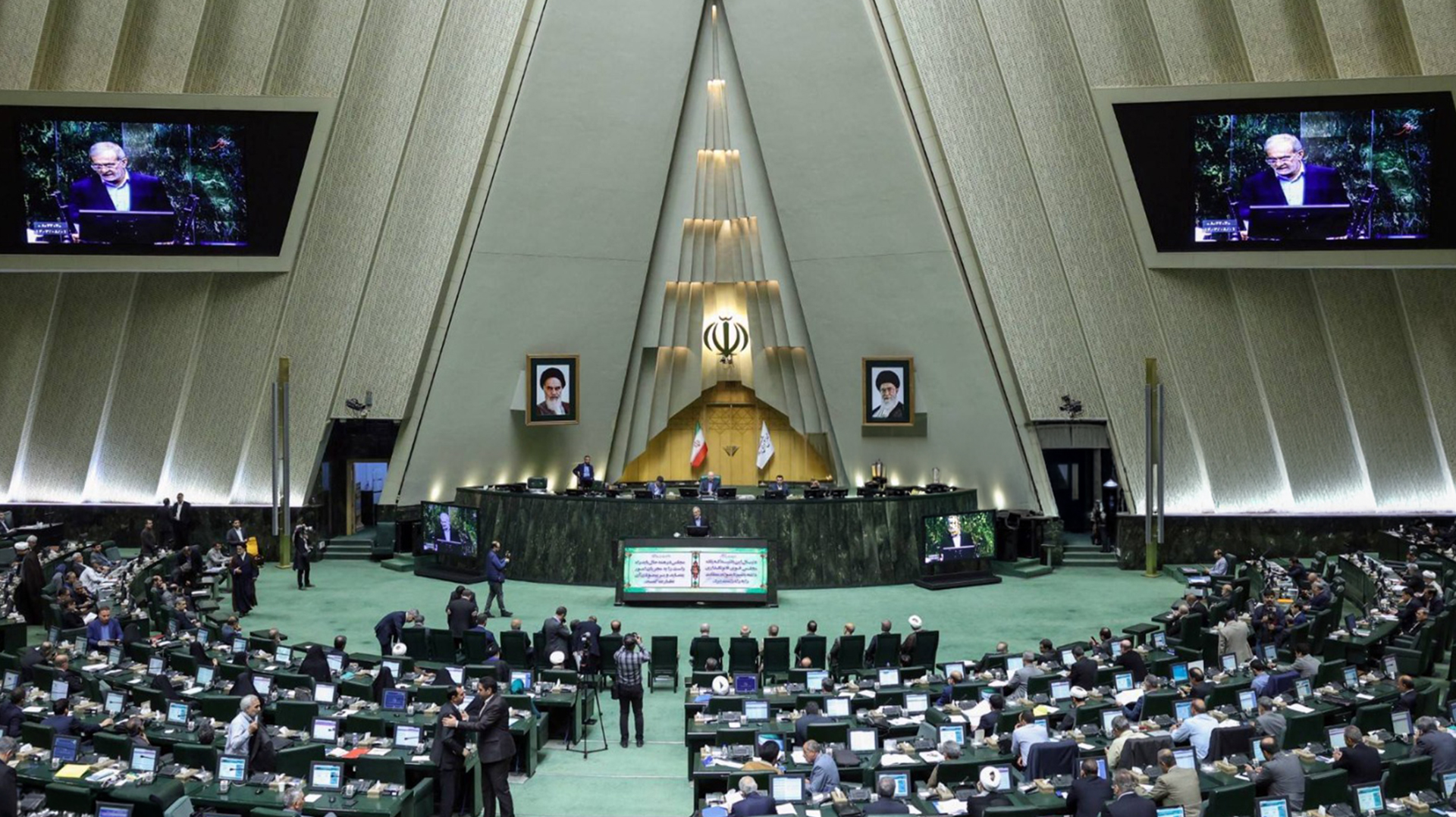
ERBIL (Kurdistan24) — Iran’s parliament on Sunday passed a bill allowing individuals without clerical backgrounds to serve as intelligence minister, easing a religious qualification requirement that had been in place for more than four decades.
The legislation still requires approval from the Guardian Council, the body responsible for reviewing laws to ensure they comply with Iran’s constitution and Islamic law.
The proposed amendment comes after Esmail Khatib, a 65-year-old cleric who had served as intelligence minister since 2021, was killed in March during the most intense phase of the war involving Iran, the United States, and Israel. The position has not been permanently filled since his death.
On March 22, several days after Khatib's killing, an Iranian presidential spokesman announced the appointment of an acting intelligence minister but did not disclose the appointee’s identity.
Parliament Speaker Mohammad Bagher Ghalibaf on Sunday urged the government to appoint a permanent minister “without delay” once the legislation receives final approval, citing the “current circumstances” as a reason for urgency.
Under the amendment, candidates would be required to have attained the level of ijtihad or hold a master's degree, in addition to having intelligence experience and at least 10 years of middle or senior level management experience, according to the ISNA news agency.
The previous law, introduced in 1983, required the intelligence minister to have religious qualifications at the level of ijtihad, without providing an alternative academic qualification.
In Shia Islam, ijtihad refers to an advanced level of expertise in Islamic jurisprudence that enables a scholar to independently interpret religious law and derive legal rulings.
The number of lawmakers who voted in favor of the bill was not immediately clear. Its implementation remains subject to the Guardian Council’s approval.