
Tara Shwan
Writer
Why Davos Matters for the Kurdistan Region
The Kurdistan Region’s Prime Minister attends Davos to engage global investors, showcase reforms, and strengthen diplomacy. Presence ensures trust, visibility, and influence, signaling the Region is stable, open for business, and actively shaping its economic and political future.
By Tara Shwan,
Executive Director,
American-Kurdish Economic Institute, AKEI
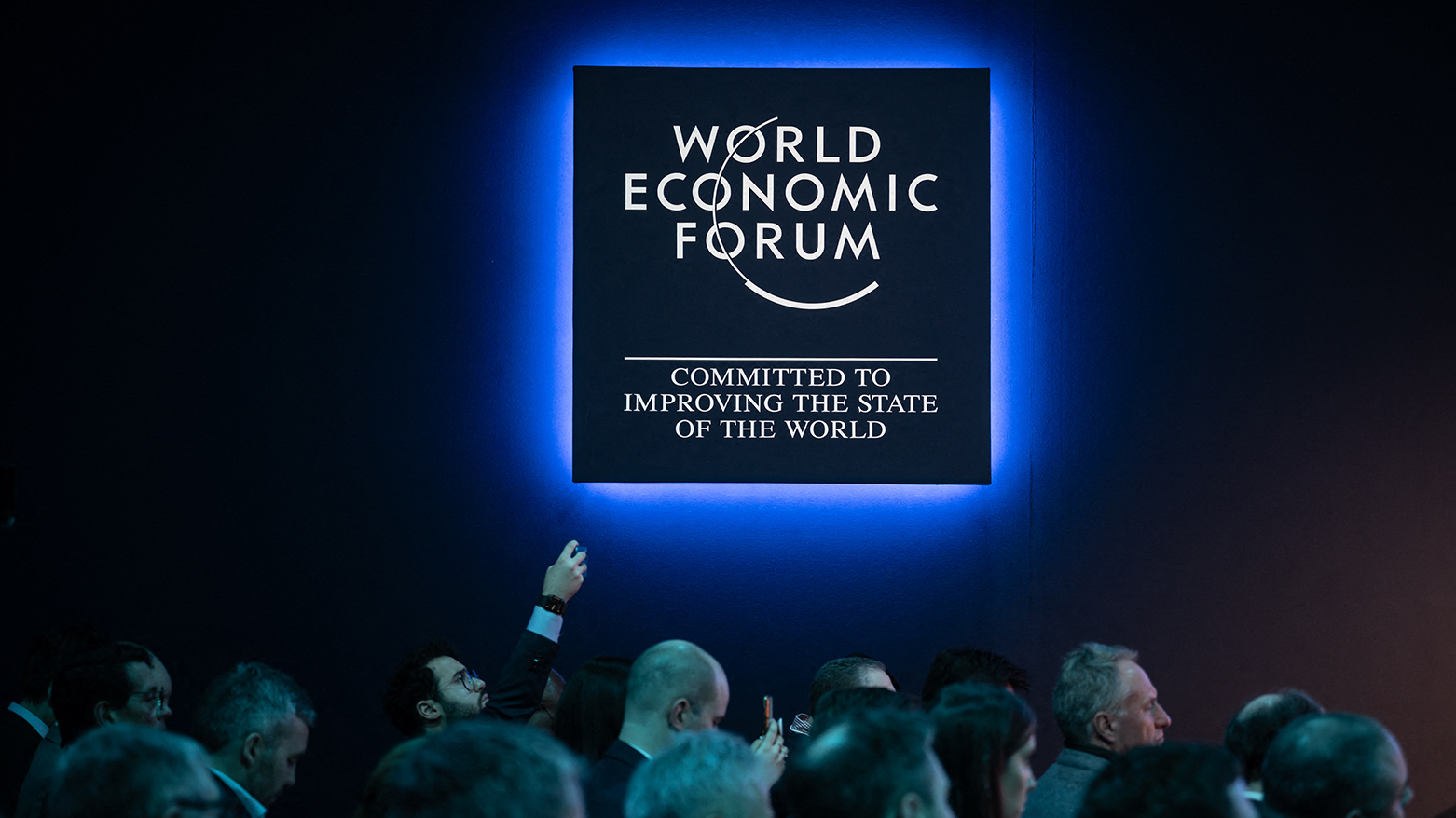
The participation of the Prime Minister of the Kurdistan Region in the World Economic Forum (WEF) in Davos is far more than a routine diplomatic engagement. In a world defined by economic uncertainty, geopolitical tension, and rapid technological change, Davos remains one of the few global platforms where political leadership, capital, and strategic decision-making intersect. For the Kurdistan Region, engagement at this level is not optional; it is a strategic necessity.
Davos is where narratives are formed, perceptions are shaped, and partnerships begin. Global investors, multinational corporations, heads of government, international financial institutions, and technology leaders gather not simply to exchange ideas, but to identify opportunities and assess risk. In this environment, the absence of leadership can be as consequential as presence. By attending Davos, the Kurdistan Region ensures it has a seat at the table where future economic and political directions are discussed.
One of the most immediate benefits of the Prime Minister’s participation is the opportunity to engage directly with international investors. The Kurdistan Region has long emphasized its openness to foreign investment, particularly in energy, infrastructure, agriculture, tourism, and the growing digital economy. However, investment decisions are rarely made on paper alone. They are built on trust, confidence, and personal engagement. Davos allows the Prime Minister to present the Region’s reform agenda firsthand, address investor concerns directly, and demonstrate political commitment to transparency, stability, and economic modernization.
At a time when global capital is increasingly cautious, leadership visibility matters. Investors want reassurance that reform is not theoretical, but political and sustained. The Prime Minister’s presence sends a clear signal: the Kurdistan Region is serious about reform, open for business, and prepared to compete in a global marketplace.
Beyond economics, Davos is also a critical diplomatic arena. The Kurdistan Region occupies a unique position within Iraq and the wider Middle East, one shaped by relative stability, pluralism, and a tradition of engagement with international partners. Participation in Davos reinforces this identity. It allows the Kurdistan Region to present itself not through headlines or third-party analysis, but through direct dialogue with global leaders and institutions.
This visibility is especially important in a region often defined externally by conflict and instability. By engaging at Davos, the Kurdistan Region helps shift the narrative toward one of opportunity, resilience, and forward-looking governance. It underscores the Region’s role as a constructive actor committed to dialogue, cooperation, and regional stability.
Davos also provides an invaluable platform for bilateral meetings on the margins of the forum. These engagements, often away from cameras, are where meaningful progress is made. Meetings with government officials, international organizations, and corporate leaders can unlock new partnerships, revive stalled initiatives, and deepen existing relationships. For the Kurdistan Region, such diplomacy strengthens its international network and reinforces its position within Iraq’s federal framework.
Equally significant is the opportunity Davos offers to align the Kurdistan Region’s priorities with global trends. Discussions at the World Economic Forum increasingly focus on climate change, energy transition, digital transformation, artificial intelligence, and inclusive growth. Participation allows the Kurdistan Region to present its vision in these areas, whether through responsible energy development, investment in renewables, digital governance reforms, or youth employment initiatives.
This alignment is critical for long-term relevance. Regions that fail to adapt to global economic shifts risk marginalization. Engagement at Davos demonstrates that the Kurdistan Region is not only aware of these transformations but is actively seeking to be part of them.
Finally, the Prime Minister’s participation carries symbolic weight. Leadership presence at Davos reflects confidence, confidence in the Region’s stability, its institutions, and its future. It signals to citizens at home and partners abroad that the Kurdistan Region sees itself as an active participant in global affairs, not a passive observer.
In an increasingly competitive international environment, visibility, credibility, and engagement are essential assets. Davos offers a rare concentration of all three. For the Kurdistan Region, participation at this forum is an investment in its international standing, its economic future, and its ability to shape how it is perceived on the world stage.
The Prime Minister’s presence at Davos is therefore not merely about attending a conference. It is about asserting the Kurdistan Region’s place in the global conversation, and ensuring that its voice is heard where it matters most.
The views expressed in this article are those of the author and do not necessarily reflect the views of Kurdistan24.