David L. Phillips
Academic
Martyrdom and Resistance in Iran
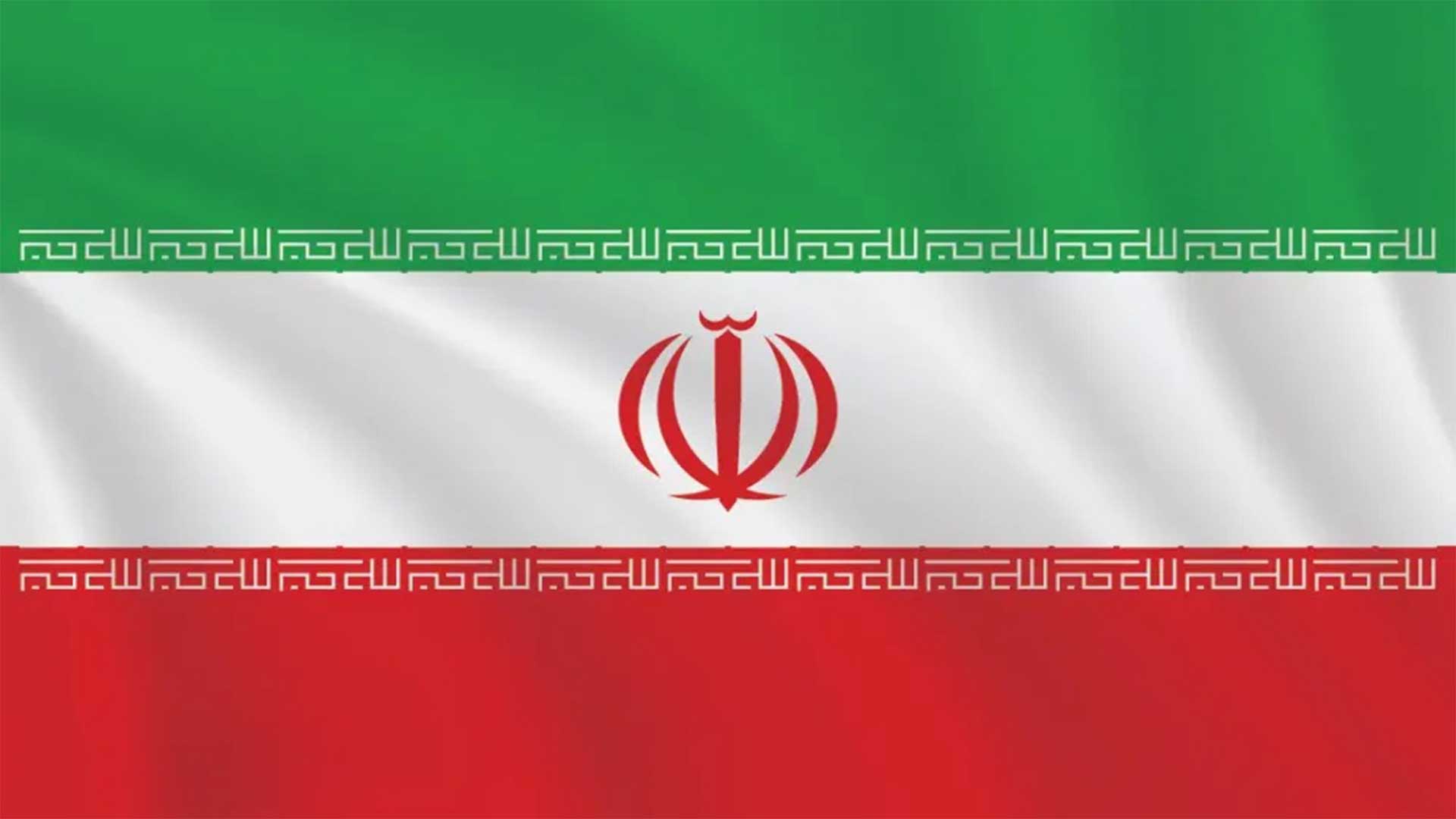
Donald S. Trump’s war on Iran was marred by miscalculation and misunderstanding from the beginning. America’s strategic mistakes include failing to anticipate Iran’s decision to close the Strait of Hormuz and attacking Sunni regimes in the neighborhood. America does not understand Iranian culture. Trump has no appreciation for the Shiite commitment to martyrdom that motivates Iran.
Launching an unprovoked war of choice, Trump exacerbated tensions from the outset. He told Iranians to intensify their protests and take over government buildings, endorsing regime change with no plan for the day after. He warned the Basij militias and Iranian Revolutionary Guard Corps that they would “pay a big price”, assuring demonstrators that “help is on the way.”
About 2,000 people were killed by regime forces by-January. By the end of March, the estimated death toll was 30,000. Forensic medical staff described chaos in hospitals, as authorities demanded fast, mass burials to conceal the death toll. The mullahs implemented a nationwide Internet blackout blocking access to information.
The spiral of deadly violence intensified as the Iranian rial collapsed, food prices soared, and drought and utility shortages deepened public hardship. Demands for regime change were met with a brutal crackdown. The US and Israel targeted political figures who might have been a part of a transition. Airstrikes killed influential leaders, including Security Chief Ali Larfijani. Israel’s alignment with the United States also bolstered hardliners such as Parliament Speaker Mohammad Bagher Ghalibaf.
US negotiators -- Steve Witkoff and Jared Kushner -- are real estate developers with scant diplomatic experience or experience dealing with Iran. They wasted precious time focusing on opening the Strait of Hormuz, which is a choke point strangling global commerce. The Strait was open until the US attacked Iran on February 28. The resulting embargo disrupted roughly 20 percent of global oil supplies, driving prices sharply higher. About 1,500 ships were stranded in the Persian Gulf.
Even if the Strait reopens, clearing mines will take weeks, if not months. Insurance rates are likely to remain high until the International Atomic Energy Agency certifies safe passage. Establishing an orderly transit system will require cooperation among the United States, Britain, France, and Germany. They are upset that Trump went to war without consulting them.
Many thorny details affect maritime traffic. Iran insists on charging a toll, which the United States rejects. The route remains dangerous, with the Houthis in Yemen positioned to attack ships in the Persian Gulf, just as they have in the Red Sea. Despite Trump’s assertion that resolution is imminent, there’s no end in sight.
Hormuz is a sideshow distracting the US from the bigger problem: Iran’s nuclear ambitions.
Trump vowed that Iran will “never have a nuclear weapon.” However, he deferred action on Iran’s nuclear program for 30-60 days. The JCPOA, known as the Iran Nuclear Deal, was working when Trump canceled it. It imposed strict monitoring by the IAEA with snap-back sanctions. Javad Zarif, the primary Iranian negotiator, insisted on Iran’s right to enrichment. He called it a matter of “Persian Pride”, while maintaining that Iran had no plans for a nuclear weapon.
The JCPOA was a flawed agreement, which failed to address Iran’s missile capabilities. Iran responded to the U.S.-Israeli attack by launching thousands of missiles and drones at Israel, the Gulf states, and U.S. facilities across the region, including US bases in Iraqi Kurdistan. Attacking Iraq Kurdistan was predictable; Kurds are America’s best friends in the region.
Israel’s Iron Dome missile defense system proved highly effective. Its outer layer relies on Arrow-3 interceptors, which destroys targets outside the atmosphere, while David’s Sling provides an inner layer of defense.
The United Arab Emirates bore the brunt. Despite the Patriot system, al Udeid and Air Base in Qatar and 11 U.S. bases in the region, including the U.S. Fifth Fleet headquarters in Bahrain, sustained damage.
Trump is in no hurry to negotiate. But time is on Iran’s side. Patriot and THAAD interceptors are deployed at a great cost to the US. So is the balance sheet. The war has already cost $60 billion in direct military expenditures and $600 billion in global economic activity.
Inspired by a quick victory in Venezuela, Trump thought Iran would surrender quickly. He expected to assassinate the Ayatollah and replace him with a more pliant surrogate.
However, Trump underestimated the resilience of the Iranian regime and the importance of martyrdom to Iran’s Shia. For Shiites, the concept of martyrdom is shaped by the betrayal of Hussain ibn Ali in Karbala in 680 CE. Commemorating the killing of Hussain, Shiites practice ritual self-flagellation that leads to bleeding. Martyrdom is a significant part of Shiite identity
Trump’s threat to bomb Iran “back to the stone ages” betrays his ignorance of history and culture. He went to war without a plan for the day after. Now the US is embroiled in a long war it cannot easily win against an adversary it does not understand.
The views expressed in this article are those of the author and do not necessarily reflect the views of Kurdistan24.