Sheikh Maqsud Residents Call for Mass Solidarity as Hospital Comes Under Fire in Aleppo
Intense street fighting, tank shelling, and drone strikes raise alarm over civilian safety and alleged violations of international law.
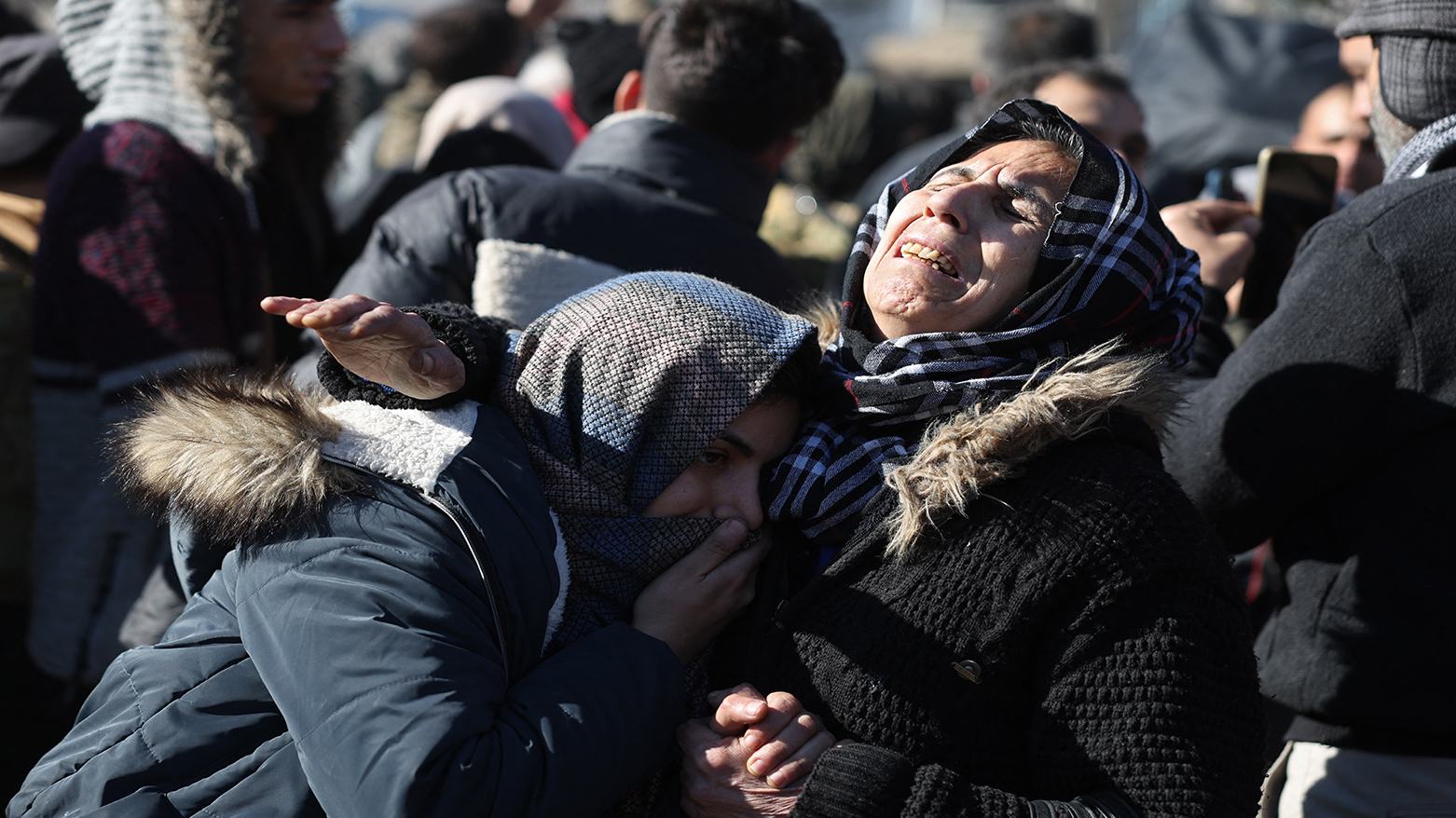
ERBIL (Kurdistan24) — Residents of Sheikh Maqsoud, a predominantly Kurdish neighborhood in northern Aleppo, have been urged to take to the streets and head toward Khalid Fajr Hospital in a mass show of solidarity with civilians wounded in ongoing attacks attributed to forces loyal to the Syrian government.
In an urgent statement issued on Saturday, the Sheikh Maqsud Neighborhood Council called on all segments of the local community to mobilize collectively and gather at the hospital, emphasizing the need to support injured civilians and medical staff amid what it described as an increasingly dire security situation.
According to the statement, the appeal aims to demonstrate social cohesion and moral support for victims—many of them women and children—who were injured as a result of shelling and aerial attacks that struck the area and directly hit Khalid Fajr Hospital, one of the neighborhood’s main civilian medical facilities.
The call comes as Sheikh Maqsud faces some of the heaviest fighting in recent months. Local security sources say clashes have escalated into intense street combat, accompanied by sustained artillery fire and tank shelling targeting residential zones.
Armed drones reportedly entered the battlefield, with local authorities accusing Damascus-backed forces of using unmanned aerial vehicles—described as Bayraktar-type drones—to strike civilian infrastructure, including the hospital itself.
The Internal Security Forces of Aleppo stated that their units managed to destroy three tanks belonging to militias aligned with the Syrian Arab Army during bombardments in the western sector of Sheikh Maqsud, coinciding with attacks on Khalid Fajr Hospital. Despite these claims, fighting is said to be ongoing, with tanks and heavy weapons continuing to pound populated areas.
Local officials warned that the direct targeting of a functioning hospital filled with wounded civilians constitutes a grave threat to civilian life and medical personnel, describing the situation as “extremely dangerous” and a potential flagrant violation of international humanitarian law.
Meanwhile, the media center of the Syrian Democratic Forces (SDF) categorically denied allegations that its forces had targeted any civilian areas in Aleppo. In a separate statement released the same day, the SDF said reports accusing it of shelling residential neighborhoods were “entirely false,” dismissing them as deliberate disinformation lacking any factual basis.
The group reiterated that its forces had not carried out attacks on civilian-populated zones in the city.
The Internal Security Forces also rejected circulating claims of a ceasefire in Sheikh Maqsud, accusing Damascus of spreading misleading information to obscure ongoing military operations. According to an official statement, while Syrian authorities speak of de-escalation, their allied militias have continued to shell civilian neighborhoods and strike a medical facility using tanks and drones.
From a military standpoint, internal security officials reported thwarting a large-scale offensive by pro-government militias on the western front of Sheikh Maqsud, destroying an armored military vehicle and forcing attackers to retreat after close-quarters fighting.
The developments underscore the fragile and volatile nature of northern Aleppo, an area that has long been a flashpoint in Syria’s protracted conflict. Sheikh Maqsud, along with neighboring districts, has repeatedly come under pressure due to its strategic location and complex web of control involving Syrian government forces, Kurdish-led groups, and various militias.
Human rights organizations have previously warned that the targeting of civilian infrastructure, particularly hospitals, could amount to war crimes under international law.
In their closing remarks, Aleppo’s Internal Security Forces placed full responsibility for the latest escalation on the Damascus government, calling on the international community and human rights organizations to break their silence, take urgent action to halt the attacks, and ensure accountability for those responsible.