Duhok Authorities Complete Strategic Road Linking City to Semel District
A 2,400-meter highway has opened between Duhok and Semel, costing 7.8 billion dinars. It is among 1,340 projects launched in Duhok, with 85% now fully operational for the public.
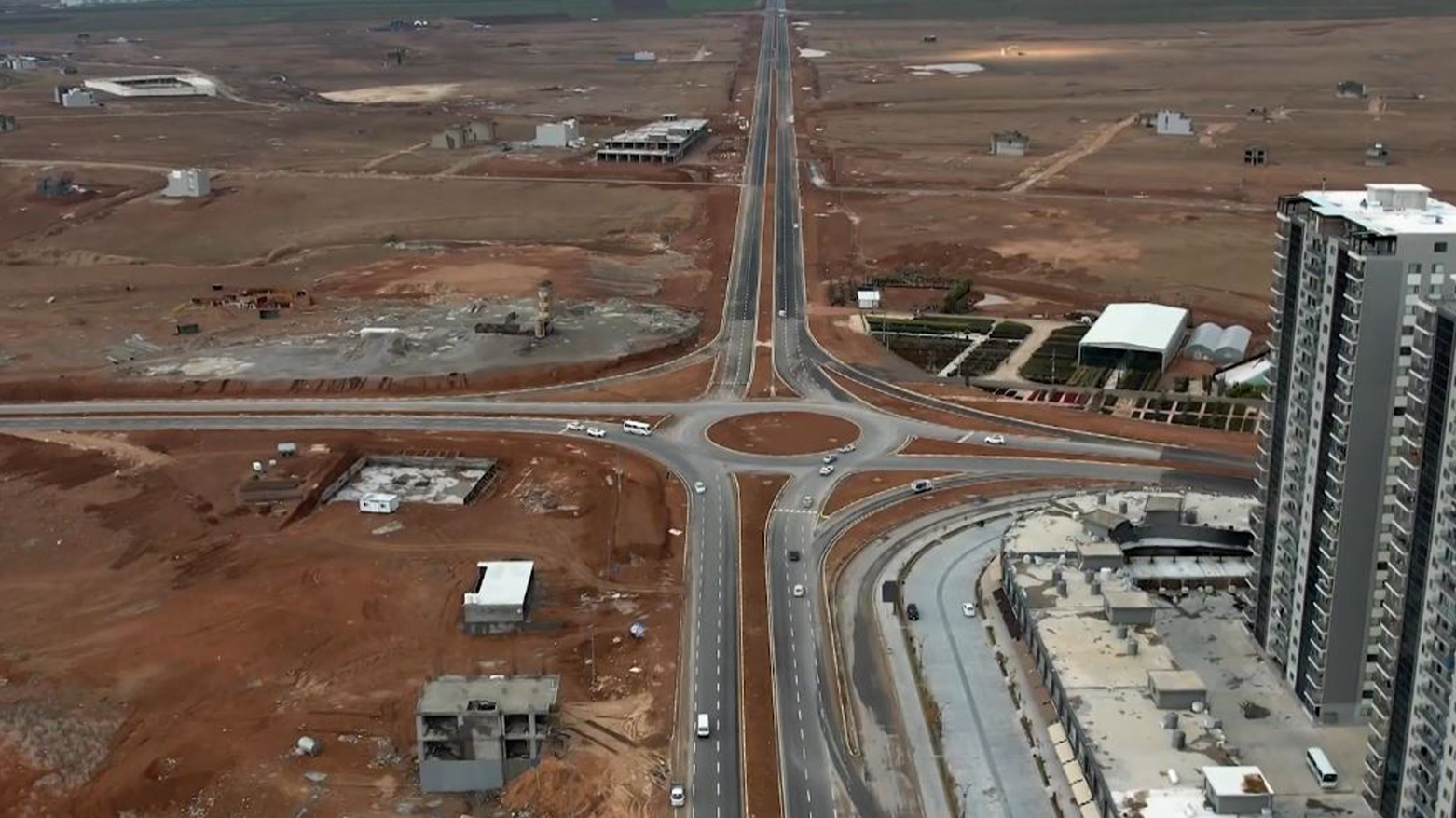
ERBIL (Kurdistan24) - Local authorities in the Duhok Governorate have announced the formal completion and opening of a strategic road project designed to streamline transit between the western reaches of Duhok city and the eastern sectors of the Semel district.
The infrastructure project, a 60-meter-wide highway, represents a significant investment in the region’s primary transportation network and is intended to serve as a critical link for residential and commercial traffic.
The project, which spans a total length of 2,400 meters, was financed through the Duhok Governorate’s dedicated budget at a total cost of 7 billion 876 million dinars.
According to technical specifications provided in the report, the highway expansion was designed to handle a high volume of vehicles, facilitating a more direct connection between two of the province's most active administrative zones.
Local residents and regular commuters have characterized the new road as a vital improvement to the area's logistical framework.
Speaking to Kurdistan24, Azad Suleiman, a local resident, emphasized the efficiency gains for motorists, noting that the thoroughfare provides a significantly shorter route and effectively reduces the travel time between Semel and Duhok.
Suleiman also said that the road provides essential access for drivers and serves as an example of necessary infrastructure development.
Another local commuter, Salah Ahmed, echoed these sentiments, crediting the Kurdistan Regional Government for delivering a high-quality asset to the community.
Ahmed noted that the road has provided substantial convenience and facilitated travel for those moving between Kivla, Duhok, and Semel, effectively integrating these areas into a more cohesive transit corridor.
The completion of the highway comes amidst a broader surge in infrastructure and public service development within the province.
Under the Ninth Cabinet of the Kurdistan Regional Government, a total of 1,340 service projects have been authorized for implementation across the Duhok Governorate.
According to official data, the government has maintained a high rate of execution, with 85 percent of these initiatives now fully operational and serving the public.
Majid Said Salih, the Deputy Governor of Duhok, provided an administrative overview of the ongoing development efforts. Salih confirmed that approval has been granted for more than 1,340 distinct projects.
He stated that while the majority are already in active service for the citizens, the remainder are currently in the implementation phase. He further clarified that several of these initiatives are long-term in nature, with construction schedules designed to span one to three years to ensure comprehensive completion.
Administrative records indicate that the municipal sector has received the largest share of the development focus, with 329 projects implemented to date. The roads and bridges sector follows closely with 212 projects, including the recently inaugurated Duhok-Semel highway.
Beyond transportation, the government has directed resources toward social infrastructure, carrying out approximately 200 projects for the construction and renovation of hospitals and health centers. Additionally, 64 new schools have been constructed throughout the province, highlighting a sustained emphasis on the education sector.
Regional officials emphasized that the reconstruction process remains a primary objective, with work continuing on all approved sites to ensure that no projects are halted.
The inauguration of the 2,400-meter road serves as the latest milestone in this province-wide effort to modernize services and enhance the economic and social connectivity of the region.