Zebari Says Iraqi Militias Seek to Expand Regional Conflict Into Iraq
Iraq faces escalating militia attacks on U.S. sites in Baghdad and Erbil, signaling a widening conflict as security forces impose lockdowns and key routes remain closed, with officials warning the campaign could draw the entire country into the regional war.
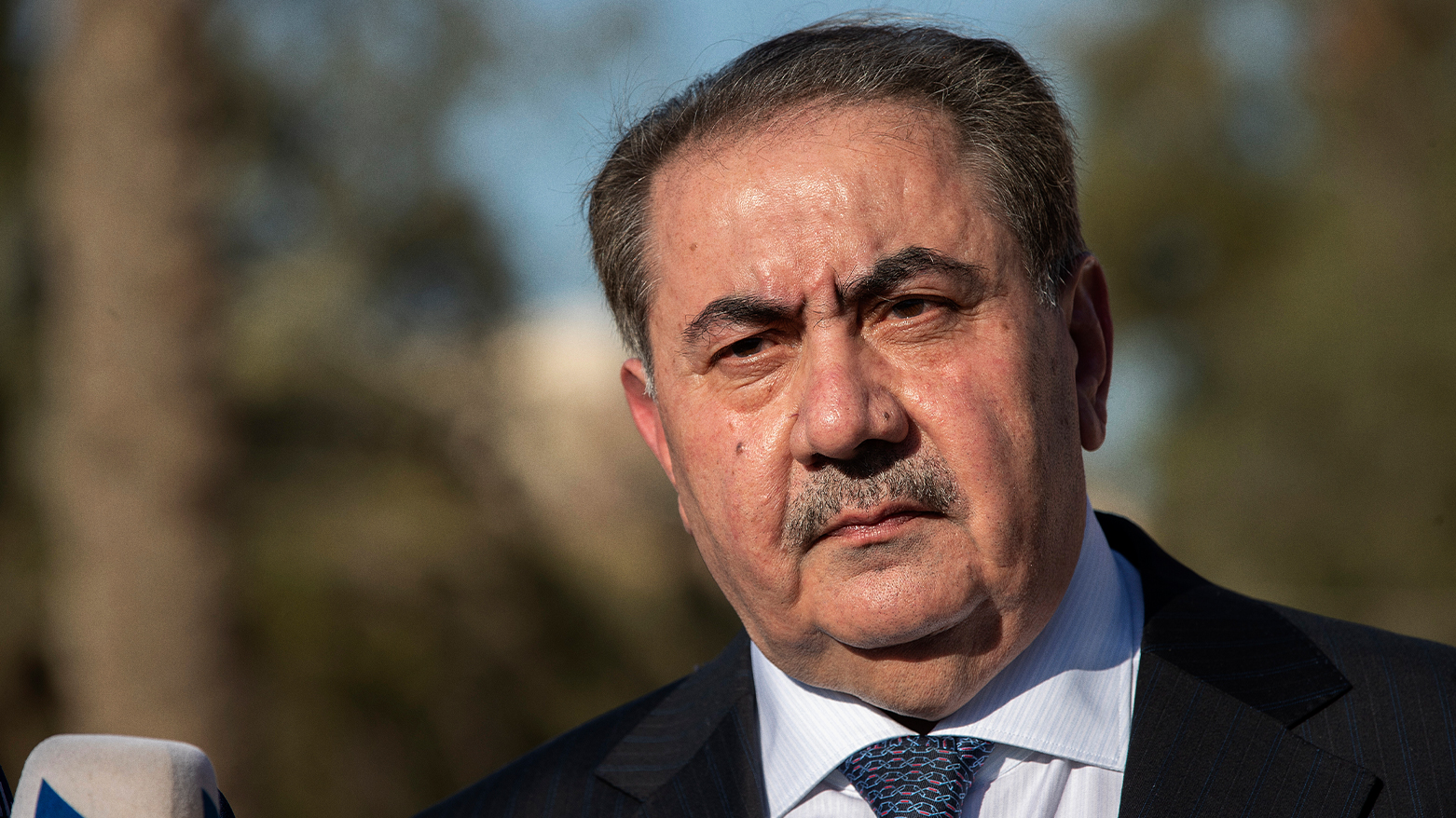
ERBIL (Kurdistan24) - Former Iraqi Foreign Minister and Kurdistan Democratic Party (KDP) politburo member Hoshyar Zebari stated on Monday, that attacks on the Al-Rasheed Hotel in Baghdad, the U.S. Embassy in the Green Zone, the U.S. Diplomatic Support Center at Baghdad International Airport, and targets in Erbil signal the start of an all-out war by Iraqi militias.
Zebari said the goal is to widen the regional conflict and implicate all of Iraq in the fighting.
Zebari warned of a widening conflict in Iraq, posting on X: "Tonight attacks on Al Rashid Hotel in Baghdad & US Embassy in Green Zone in Baghdad and Victory base in BIAP [U.S. Diplomatic Support Center at Baghdad International Airport] plus attacks on Erbil mean an all out war by the Iraqi militias to broaden the conflict and engulf the country in the current military conflict."
Tonight attacks on Al Rashid Hotel in Baghdad & US Embassy in Green Zone in Baghdad and Victory base in BIAP plus attacks on Erbil mean an all out war by the Iraqi militias to broaden the conflict and engulf the country in the current military conflict.
— Hoshyar Zebari (@HoshyarZebari) March 16, 2026
Zalmay Khalilzad, former U.S. Ambassador to Iraq, wrote on Tuesday, that Iraqi militias affiliated with the Iranian Revolutionary Guard Corps are attacking the U.S. Embassy in Baghdad, the Kurdistan Region, and related interests.
"The IRGC-controlled Iraqi militias are attacking US Embassy in Baghdad, as well as Kurdistan and our interests there," Khalilzad wrote, adding, "The Iraqi government is issuing statements condemning these attacks but appears to be unable - or, sad to say more likely, unwilling to stop them."
Khalilzad called for the United States to destroy the military capabilities of these militias and to pressure Prime Minister Mohammed Shia al-Sudani to stop their activities.
"It is time for the US to devastate the military capabilities of these militias that for too long have enjoyed carte blanche to act as Iranian regime proxies with the toleration of the Iraqi government," he stated, adding, "Prime Minister Sudani must be pressed to step up and move with force against these terrorist proxies."
The IRGC-controlled Iraqi militias are attacking US Embassy in Baghdad, as well as Kurdistan and our interests there. The Iraqi government is issuing statements condemning these attacks but appears to be unable - or, sad to say more likely, unwilling to stop them. It is time…
— Zalmay Khalilzad (@realZalmayMK) March 16, 2026
A Kurdistan24 correspondent reported that approximately 10 to 12 missile and drone attacks targeted the U.S. Embassy in the Green Zone on Tuesday. Security sources said the assault included three drones and four missiles in one wave, with at least one drone landing inside the compound.
A powerful explosion occurred inside the embassy, producing black smoke as air defense systems activated.
Simultaneously, a house in Baghdad’s Jadriya neighborhood was struck, completely burning the building. Initial reports said three people were inside, two of whom were believed to be senior leaders of Popular Mobilization Forces-affiliated armed groups.
In response, Iraqi security forces imposed a heavy lockdown across Baghdad. Streets and alleys in the Jadriya neighborhood were closed, along with the Double Deck Bridge, the 14th of July Bridge, and Abu Nuwas Street.
Popular Mobilization Forces commanders were instructed to evacuate their bases and headquarters in the capital and relocate their residences due to fears of further strikes.
Zebari identified the Monday night attacks on multiple sites as a coordinated militia campaign.
He specifically cited the strikes on the Al-Rasheed Hotel and the U.S. Diplomatic Support Center at Baghdad International Airport, in addition to the Erbil targets.
Khalilzad criticized the Iraqi government, stating that it only issues condemnations but has not prevented the attacks. He described the militias as “terrorist proxies” for Iran and said pressure must be placed on Prime Minister al-Sudani to act against them.
The embassy attacks continued into early Tuesday, according to security officials.
A plume of smoke was reported rising over Baghdad following the strikes.The Jadriya strike occurred in the same period. The building was destroyed by the attack.
Security measures remained in place Tuesday with major routes blocked and forces deployed throughout the capital.
Zebari warned that the militias intend to expand the current regional war to include the whole of Iraq through these actions.
Khalilzad emphasized that the time has come for the United States to take decisive action against the militias’ capabilities.
The incidents began Monday night with strikes reported in Baghdad and Erbil. Additional attacks on the U.S. Embassy were recorded Tuesday morning.
Security sources confirmed that air defenses engaged during the embassy assault. Black smoke rose after explosions inside the Green Zone compound.
The house in Jadriya was reduced to a burned structure following the strike. Reports on the identities of those inside remain unconfirmed officially.Iraqi authorities closed key infrastructure points to control movement. The shutdown affected both residential areas and main transportation arteries.
Commanders affiliated with the Popular Mobilization Forces received orders to leave their official locations in Baghdad. The directive included moving from headquarters and changing residences.
Zebari posted his assessment on the social media platform X. He described the events as the commencement of a comprehensive war by the militias.
Khalilzad also used X to issue his statement. He linked the attacks directly to groups under Iranian Revolutionary Guard influence.
The U.S. Embassy, located inside the heavily fortified Green Zone, faced repeated targeting. The combination of missiles and drones formed the main method of assault.The separate strike in Jadriya added to the escalation in the capital. The incident targeted a residential building believed to house senior armed group figures.
The security lockdown extended across multiple districts. Bridge closures disrupted traffic in central Baghdad while neighborhood streets were sealed off.Evacuation instructions to Popular Mobilization Forces personnel reflected the heightened security alert in Baghdad.
The developments prompted quick public statements from both the KDP official and the former U.S. ambassador. Zebari focused on the strategic aim of the militias. Khalilzad focused on the required response from Washington and Baghdad authorities.
Attacks on the Al-Rasheed Hotel and the diplomatic facility at Baghdad Airport were listed among the sites hit on Monday. Erbil faced similar strikes according to Zebari.
The former ambassador noted attacks on U.S. interests in the Kurdistan Region alongside the Baghdad embassy assaults.Security officials reported that at least one projectile reached inside the embassy compound. Explosions generated visible smoke plumes over the city.
The Jadriya house was completely destroyed in the strike. Three individuals were reportedly present at the time.Iraqi security forces maintained widespread closures in response to the incidents. The Double Deck Bridge, 14th of July Bridge, and Abu Nuwas Street stayed shut.
Popular Mobilization Forces leaders were told to abandon their bases in the capital amid concerns of additional attacks.
Zebari stated that the militias launched these operations to entangle Iraq fully in the ongoing regional military conflict.Khalilzad said the Iraqi government has shown itself unable or unwilling to stop the militia actions through its current approach.