Erbil International Airport Restores Normal Flight Operations as Iraq Reopens Airspace
The swift reversal of a planned 72-hour national airspace closure allows the Kurdistan Region’s primary aviation hub to resume critical domestic and international transit.
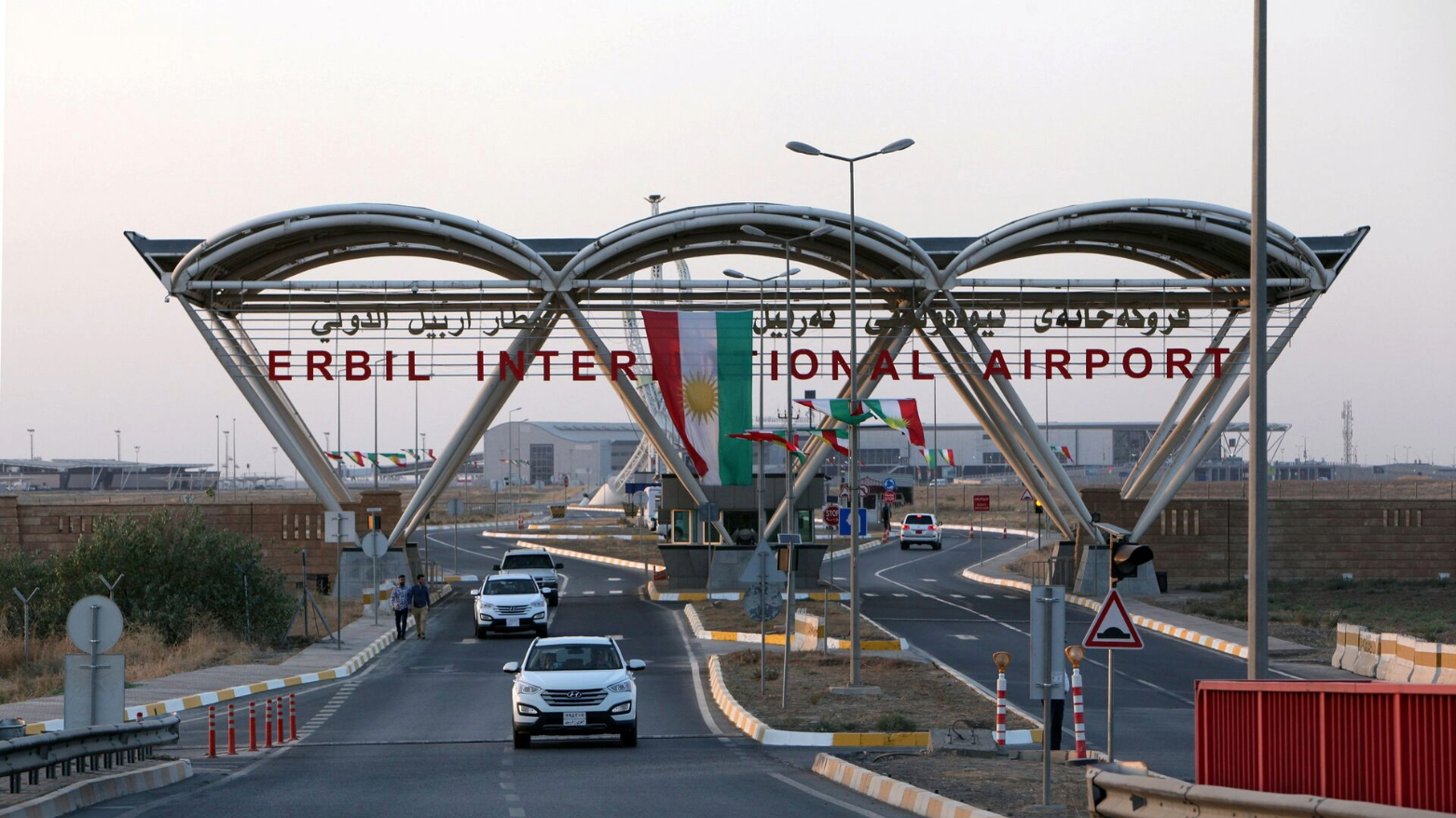
ERBIL (Kurdistan24) - Flight operations at Erbil International Airport have officially returned to normal following the abrupt reopening of Iraq's national airspace, ending a brief but intense period of transit paralysis. The swift restoration of air traffic services has brought immediate relief to thousands of stranded passengers and reopened a vital logistical and commercial artery for the Kurdistan Region.
Ahmed Hoshyar, the director of Erbil International Airport, confirmed the resumption of regular aviation activity during an interview with Kurdistan24. "Based on the directives from the Iraqi Civil Aviation Authority, we resumed normal flight operations as of Monday afternoon," Hoshyar stated, emphasizing the facility's rapid compliance with federal regulatory updates.
The sudden shift in airspace availability triggered a demanding operational pivot for airport management.
Hoshyar pointed out that the temporary shutdown heavily impacted the day's early flight schedules, resulting in a significant number of grounded flights between midnight and noon on Monday.
He added that airport administrative teams are currently compiling comprehensive data to assess the full extent of the cancellations and their cascading effects on connecting routes.
Despite these immediate logistical hurdles, ground crews and airline representatives are working aggressively to accommodate affected travelers and reorganize departure and arrival timetables to pre-closure efficiency.
The operational stabilization at Erbil International Airport stems directly from a broader regulatory decision executed in Baghdad.
According to a further Kurdistan24 report detailing the airspace status, the Iraqi Civil Aviation Authority (ICAA) announced on Monday that the country's airspace was formally reopened to all incoming and outgoing flights across every domestic airport.
The regulatory body confirmed that commercial and cargo air traffic movement had swiftly resumed in strict accordance with established international aviation procedures.
Crucially, the ICAA's announcement marked a sudden reversal of a stringent emergency directive that had previously mandated a 72-hour blanket closure of Iraqi skies.
That initial shutdown was originally scheduled to remain in effect from the evening of June 7 until the evening of June 10. The unexpected lifting of the restriction fundamentally altered the immediate outlook for airlines, airport operators, and commercial travelers, averting a protracted disruption to the nation's transportation networks.
Even as commercial airliners resume their designated flight paths, federal aviation regulators maintain a posture of heightened vigilance.
In its official statement, the ICAA emphasized an unwavering commitment to maintaining the highest possible standards of aviation safety. Officials clarified that the authority will continue to conduct rigorous, ongoing security assessments in close coordination with relevant national security stakeholders.
The ICAA further assured the public that airlines, passengers, and airport administrations will be promptly notified through official communication channels should any evolving security dynamics require further operational adjustments.
The rapid restoration of flights carries profound strategic and economic significance for the Kurdistan Region. As one of the country's most modern and heavily trafficked transit facilities, Erbil International Airport functions as a premier aviation hub.
It serves as a critical gateway for foreign direct investment, diplomatic missions, and international tourism. Uninterrupted air connectivity is absolutely essential for sustaining the region's dynamic commercial sector and facilitating seamless cross-border trade.
Prolonged airspace closures inevitably threaten to isolate local markets, disrupt essential business travel, and strain the broader regional economy. Consequently, the swift normalization of flights represents an economic necessity for maintaining Erbil's integration into the global marketplace.
As the departure boards at Erbil International Airport clear their backlog of delayed and cancelled flights, the successful restoration of normal operations highlights the resilience of the Kurdistan Region's transportation infrastructure.
While federal authorities continue to carefully monitor prevailing security conditions, the resumption of regular air traffic provides crucial stability to the aviation sector.
Looking ahead, maintaining unhindered airspace access and robust safety protocols will remain paramount in safeguarding the connectivity, economic vitality, and long-term development of the Kurdistan Region and the broader Iraqi state.
|
Summary Flight operations at Erbil International Airport have normalized after the Iraqi Civil Aviation Authority reopened national airspace, reversing a planned 72-hour closure. Despite cancellations, authorities continue to monitor aviation safety to ensure seamless domestic and global connectivity. |