US Says it Downed Iranian Drones as Both Sides Signal Agreement is Near
Washington said its forces intercepted multiple Iranian drones targeting commercial vessels in the Strait of Hormuz
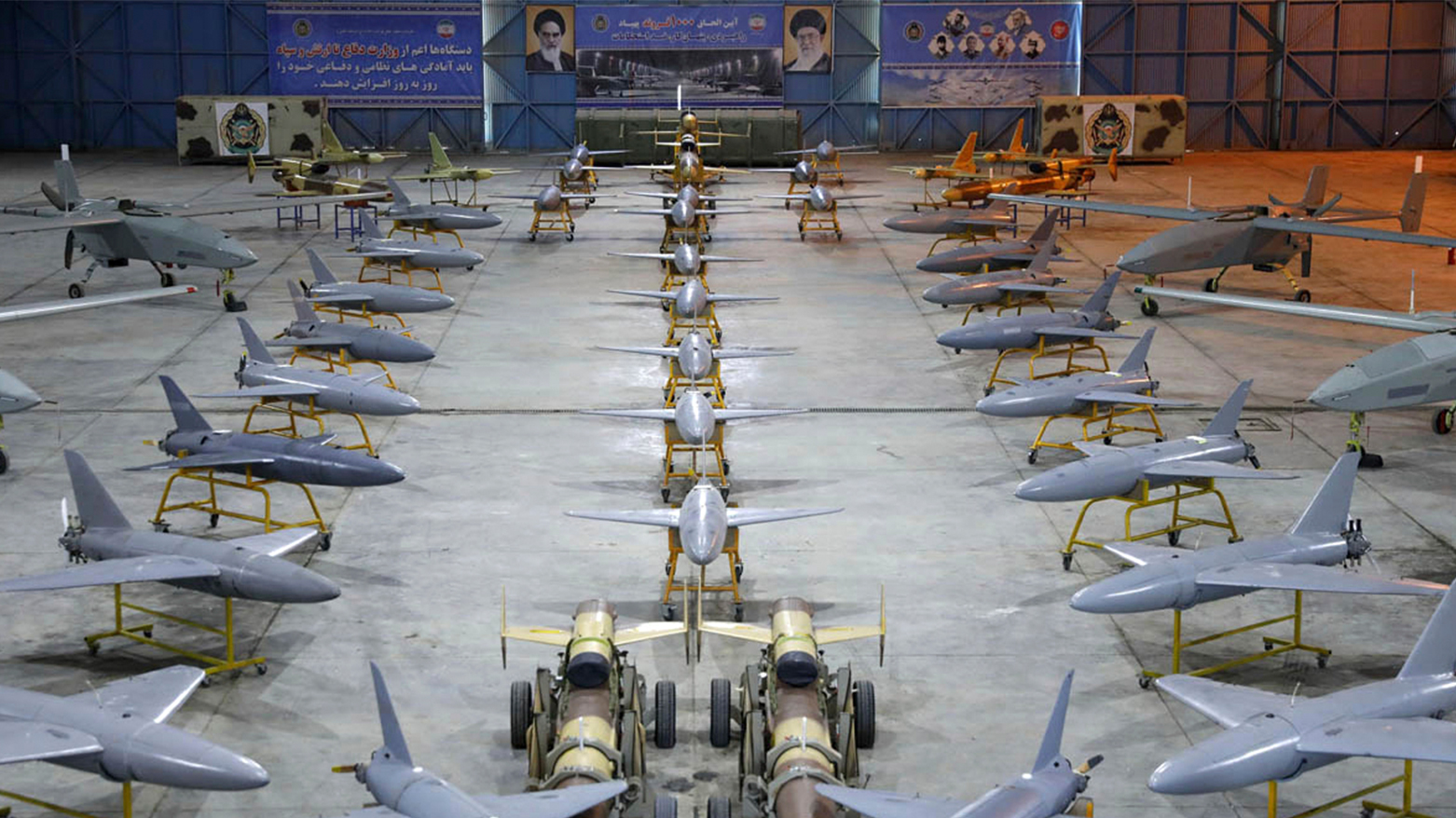
ERBIL (Kurdistan24) - The fragile diplomatic momentum surrounding a proposed U.S.-Iran peace agreement faced a new test early Saturday after the United States announced that it had intercepted multiple Iranian drones allegedly targeting commercial ships transiting the Strait of Hormuz.
According to U.S. Central Command (CENTCOM), Iran launched several one-way attack drones toward commercial vessels operating in the strategic waterway. CENTCOM said U.S. forces shot down all of the drones and stressed that maritime traffic through the strait continued without disruption.
The military statement came as negotiators from both countries signaled that a breakthrough agreement to end months of regional conflict is closer than at any point since talks began.
The latest incident unfolded against the backdrop of weeks of negotiations between Tehran and Washington, mediated by Pakistan, following a period marked by military exchanges, threats, and a fragile ceasefire reached in April.
Despite the renewed security tensions, senior officials on both sides continued to project optimism regarding a potential agreement.
Iranian Foreign Minister Abbas Araghchi said the proposed "Islamabad Memorandum of Understanding" was closer than ever to completion.
"The Islamabad Memorandum of Understanding has never been closer," Araghchi wrote in a social media post, while urging media organizations to avoid speculation until the document is finalized.
His comments were later amplified by U.S. President Donald Trump, who reposted Araghchi's message on his Truth Social platform.
Pakistan confirms final draft
Pakistani Prime Minister Shehbaz Sharif announced that negotiators had reached what he described as the final agreed text of the peace deal.
Sharif said Islamabad remains closely engaged with both Washington and Tehran on the remaining procedural steps and emphasized that "peace has never been as close as it is now."
His statement followed reports of widespread speculation and conflicting accounts regarding the contents of the proposed agreement.
Competing narratives over deal terms
Major disagreements remain over how the agreement is being publicly portrayed.
A senior White House official said Iran had accepted a performance-based framework that would require substantial concessions before receiving any sanctions relief or economic benefits.
According to the official, Iran would be required to dismantle its nuclear program, destroy and remove its nuclear materials, keep the Strait of Hormuz open, and halt support for terrorist groups before gaining access to frozen assets.
The official added that no Iranian funds would be released until those commitments are fulfilled.
U.S. Vice President J.D. Vance also rejected reports that Tehran would receive immediate financial benefits merely for signing the agreement.
"The Iranians are not receiving any cash, and no funds are being released for simply signing a deal or attending a meeting," Vance said, adding that economic benefits would only follow verified compliance with the agreement.
Tehran outlines a different vision
Iranian officials have publicly described key provisions differently.
In an interview with Iranian state television, Araghchi said the agreement includes lifting the U.S. naval blockade of Iranian ports and addresses future management of the Strait of Hormuz.
He also insisted that any decision regarding Iran's enriched uranium would involve keeping the material inside Iran.
Araghchi further stated that discussions involve frozen Iranian assets, adding that those funds would eventually be released and that reconstruction plans exist to compensate Iran for wartime damages.
The Iranian foreign minister also indicated that a future agreement could be signed remotely within days if the final stage of negotiations is completed successfully.
Iranian Foreign Ministry spokesman Esmaeil Baqaei said Tehran and Washington had already reached agreement on most issues under discussion.
Trump signals possible signing within days
Trump said Friday that a comprehensive agreement could be signed as early as the middle of next week or on Monday.
The U.S. president described Araghchi's recent comments as "very positive" but also urged Iranian authorities to correct what he called inaccurate reports published by Iranian state media regarding the contents of the negotiations.
Trump had earlier accused Iranian officials of negotiating in bad faith and said leaked reports about the agreement did not reflect the written terms discussed during negotiations.
Questions remain over final implementation
The Swiss Foreign Ministry said it has been in contact with both Tehran and Washington and has offered Switzerland as a possible venue for signing the agreement should both parties agree.
However, Araghchi suggested that any final memorandum would likely be signed remotely.
While optimism has grown significantly in recent days, differing public descriptions of the agreement continue to highlight the deep mistrust that remains between the two sides.
As negotiations approach what may be their final stage, the future of Iran's nuclear program, sanctions relief, frozen assets, and the management of the Strait of Hormuz remain at the center of one of the Middle East's most consequential diplomatic efforts in years.