Suicide Drone Targets Residence of Iraqi Parliament Speaker in Anbar
Security source says “Shahid-101” UAV incident caused fire near homes of senior Iraqi political figures in Anbar
ERBIL (Kurdistan24) — An Iranian-made unmanned aerial vehicle crashed on Saturday in western Iraq’s Anbar province near the residence of prominent Iraqi political figures, triggering a fire that was later brought under control, according to a local security source.
A security source told Kurdistan24 that the drone, identified as a “Shahid-101” model, went down in the Garma district near the home of Mohammed Al-Halbousi, leader of the Taqaddum Party and former speaker of the Iraqi Council of Representatives.
The source added that parts of the drone fell within property belonging to the current parliament speaker, Haibat Al-Halbousi, describing the area as a key social and political base for the Al-Halbousi family in Anbar.
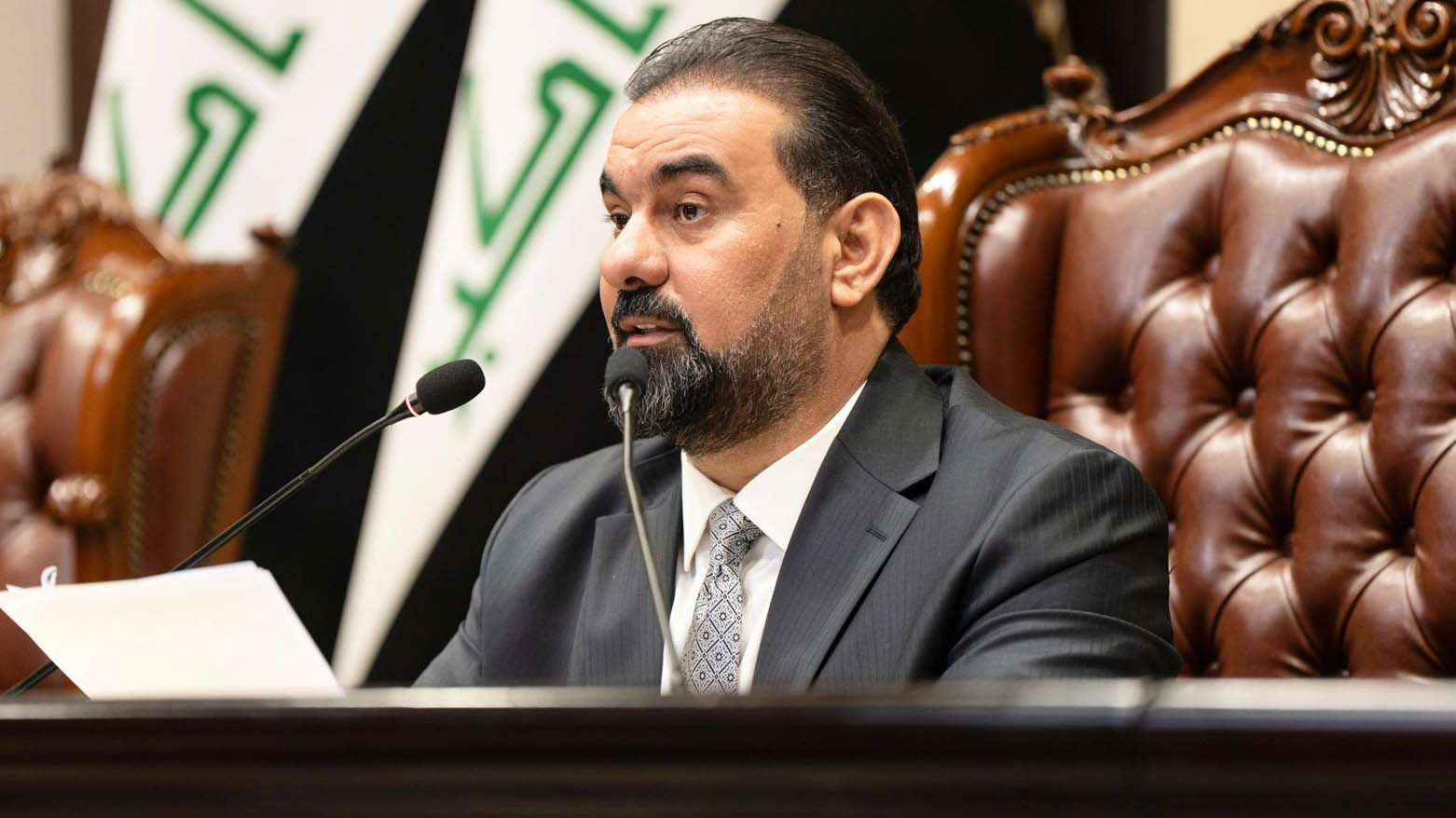
According to Kurdistan24 correspondent Dilan Barzan in Baghdad, a suicide drone attack targeted the residence of the current Iraqi Parliament Speaker, Haibat Al-Halbousi in Anbar province on Saturday evening.
The report, citing an Anbar police security source, said that Al-Halbousi and his family were inside the house at the time of the attack, but no casualties were recorded, with only material damage reported.
The impact reportedly sparked a fire at the site, prompting immediate response from Iraq’s Civil Defense teams, which managed to bring the blaze under control.
The Garma area is considered a significant political stronghold associated with the Al-Halbousi family, which plays a prominent role in Anbar’s local and national political landscape.
The “Shahid-101” drone is widely known as a small, low-noise unmanned aerial system often used for long-range operations. Its low-altitude flight profile makes it difficult to detect by radar systems, and it has been previously associated with use by armed groups in the region.
This article was updated on June 20, 2026, at 9:23 pm.