KRG, Baghdad Agree on Security Guarantees for Oil Fields to Restart Production, Interior Minister Says
Reber Ahmed says federal government has pledged to help protect energy infrastructure as efforts continue to resume oil exports
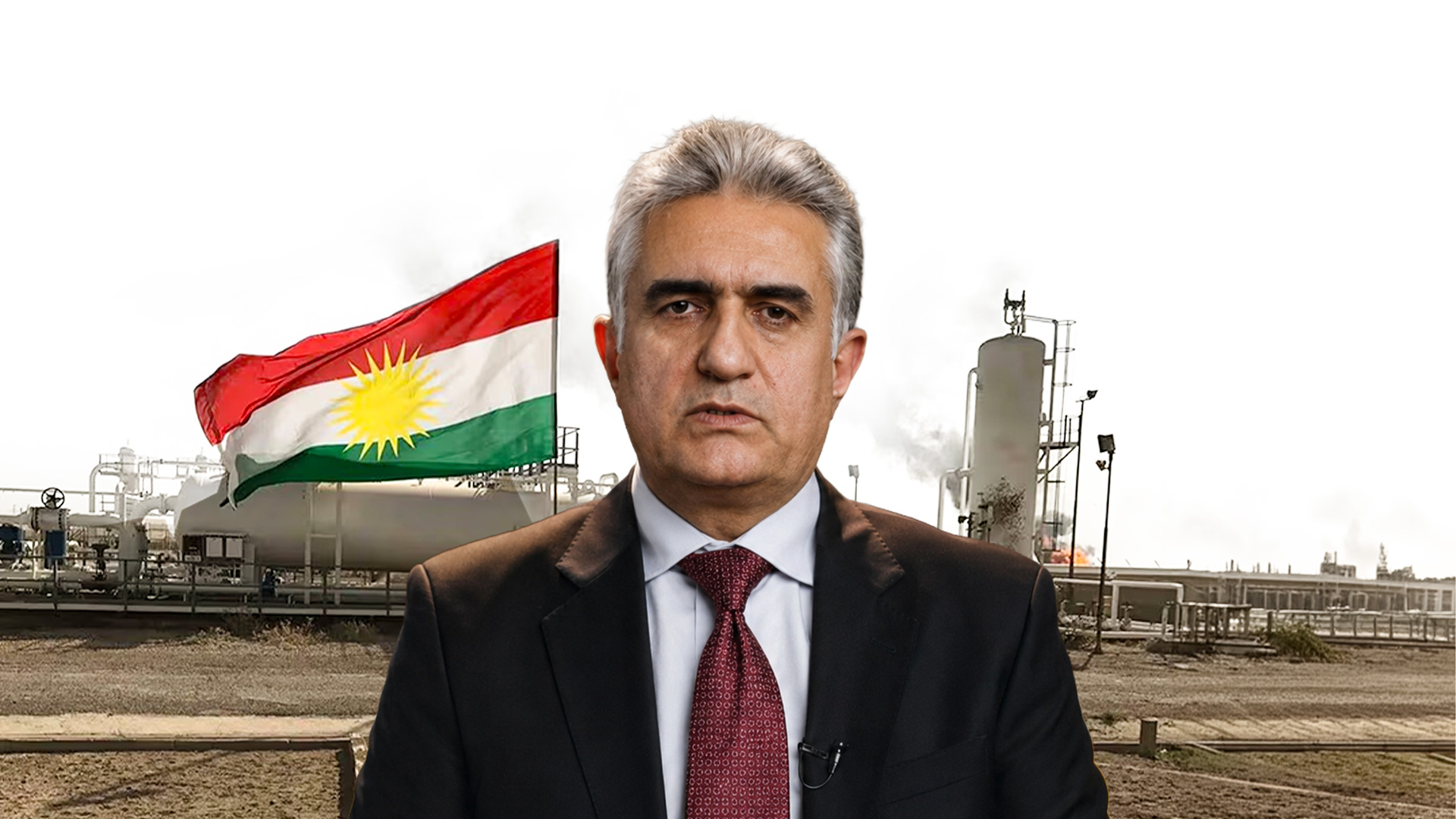
ERBIL (Kurdistan24) — Kurdistan Region Interior Minister Reber Ahmed said on Saturday that the Kurdistan Regional Government (KRG) and the Iraqi federal government have reached an understanding on providing security guarantees for the Kurdistan Region’s oil fields, a key demand by international energy companies seeking to resume production and exports.
Speaking to reporters, Ahmed outlined developments related to joint security files, oil production, refugee issues, and military coordination between Erbil and Baghdad.
Security Guarantees for Oil Fields
Ahmed said both governments had agreed on the need to secure oil fields across the Kurdistan Region, noting that international oil companies had repeatedly requested assurances from Baghdad regarding the safety of their operations before restarting production.
He explained that previous drone and missile attacks targeting oil infrastructure had caused significant disruption to the energy sector. However, worsening economic conditions in both Iraq and the wider region have increased the urgency of restoring oil production and exports.
According to Ahmed, oil companies have emphasized two primary conditions for resuming operations: protecting their financial rights and ensuring adequate security against future attacks.
He revealed that during recent visits by Kurdistan Region Prime Minister Masrour Barzani to Baghdad and through ongoing discussions with Iraqi Prime Minister Ali al-Zaidi, an agreement was reached for oil companies to meet with federal authorities to obtain formal security guarantees.
Ahmed said that based on this, al-Zaeidi formed an Iraqi security, intelligence, and military delegation that visited the Kurdistan Region, followed by the dispatch of a field team to inspect the Kurdistan Region’s oil fields for assessment purposes.
Authorities are now awaiting the delegation’s plan for supporting the Kurdistan Region in protecting the oil facilities, as the federal government has expressed its readiness to cooperate on the matter.
The minister stressed that while discussions on air defense systems remain important, eliminating the sources of threats against oil facilities must come first. He said any future protection measures would be aimed at guaranteeing the safety of energy infrastructure and encouraging companies to restart production.
Coordination on Iranian Kurdish Opposition Camps
Addressing the security agreement involving Iraq, the Kurdistan Region, and Iran regarding Iranian Kurdish opposition groups residing in camps within the Region, Ahmed said coordination remains ongoing despite previous violations.
He noted that some camps had previously been targeted by missile and drone attacks, undermining implementation of the agreement.
“We are coordinating with both Iran and the federal government to prevent such threats and ensure camp residents can live in peace,” he said.
Turkey-PKK Peace Process
Ahmed also commented on the conflict between Turkey and the Kurdistan Workers' Party (PKK), saying efforts are underway to advance a peace process that would remove armed actors and military confrontations from border areas.
He said the objective is to create conditions that would allow residents of affected border communities to safely return to their homes and resume normal life.
Syrian Refugees
On the issue of Syrian refugees, Ahmed said no decision has yet been made regarding large-scale returns to Syria.
He emphasized that any return process must be voluntary and dependent on the Syrian government creating appropriate security and living conditions.
“Whenever Syria is ready and a suitable and stable environment is established, returns should be voluntary, and the Kurdistan Region will support that process,” he said.
Joint Brigades and Security Cooperation
The interior minister highlighted the deployment of joint security brigades established through cooperation between Erbil and Baghdad, saying two such brigades are already operating in sensitive areas that previously experienced security gaps.
He added that efforts are continuing to strengthen military and security coordination under Iraq’s current government, particularly following recent visits by Iraqi military delegations to Erbil.
Ahmed said enhanced cooperation between the Kurdistan Region and Baghdad serves the broader interests of both governments and contributes to maintaining stability across disputed and vulnerable areas.