Iraq Denies Plans to Leave OPEC, Urges Higher Oil Production Quota
In a statement on Thursday, Iraq's Oil Ministry said Baghdad had urged OPEC to reassess production baselines and increase Iraq's quota, citing the damage inflicted on its oil sector by decades of conflict and the recent Middle East war.
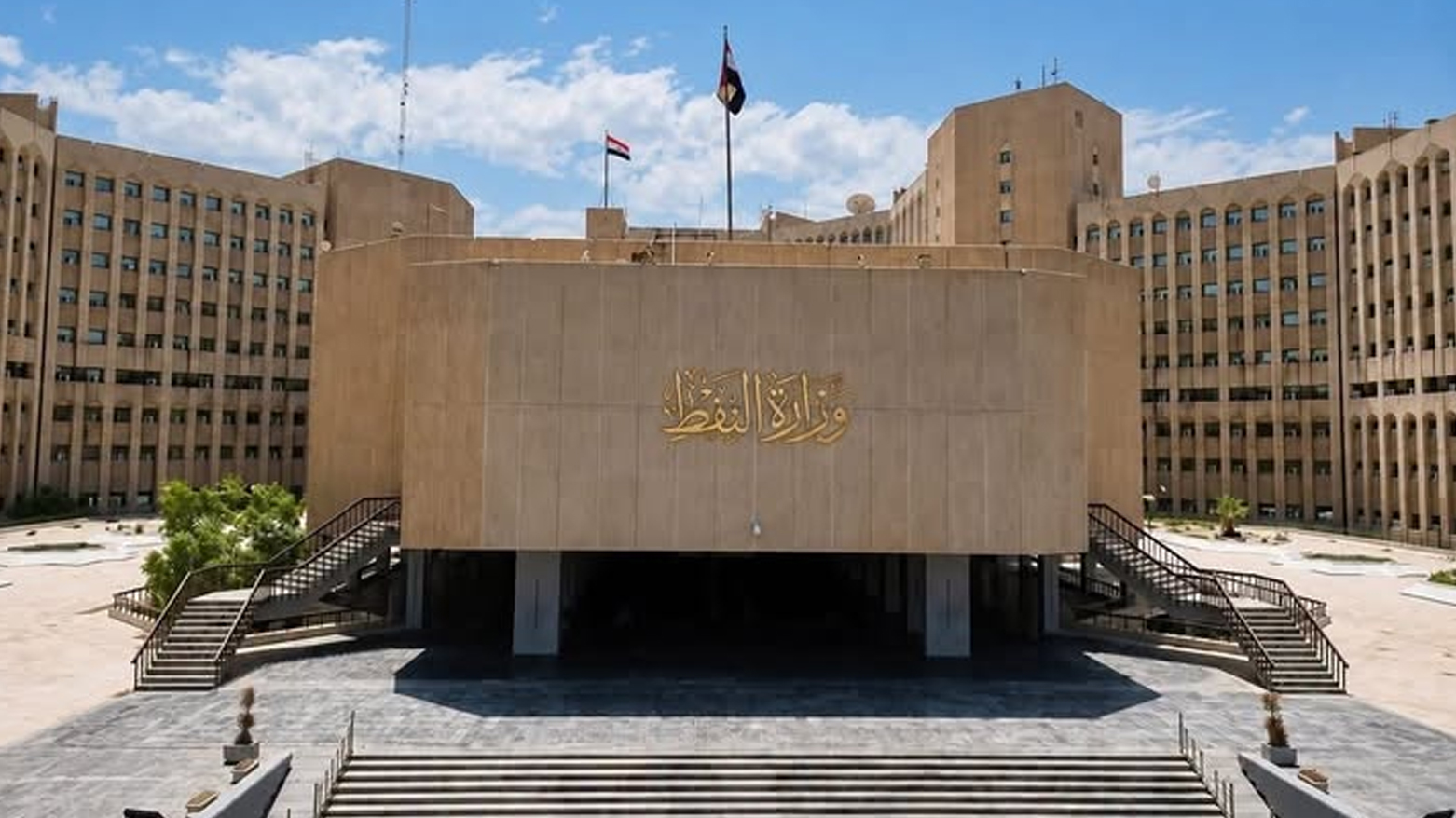
ERBIL (Kurdistan24) – Iraq has reaffirmed its commitment to the Organization of the Petroleum Exporting Countries (OPEC), dismissing reports that it is considering withdrawing from the oil-producing alliance, while calling for an increase in its production quota to reflect the country's economic and security challenges.
In a statement on Thursday, Iraq's Oil Ministry said Baghdad had urged OPEC to reassess production baselines and increase Iraq's quota, citing the damage inflicted on its oil sector by decades of conflict and the recent Middle East war.
The ministry stressed that production baselines should be reviewed to ensure they accurately reflect the sustainable production capacities of member states and take into account "Iraq's unique security and economic circumstances."
Addressing speculation about a possible Iraqi exit from OPEC, Oil Ministry spokesperson Salim al-Rikabi told AFP that Iraq "has no intention of withdrawing from the organization and remains committed to its mechanisms."
However, Rikabi emphasized that Iraq expects a fair adjustment to its production allocation.
"OPEC has to raise Iraq's production quota. Otherwise, a decision will have to be made about whether to stay or leave the organization," he said, while reiterating that Baghdad remains engaged within the group's framework.
The ministry also rejected reports suggesting that Iraq was preparing to leave OPEC, stating that such claims "do not reflect" the government's official position.
According to the ministry, OPEC has already begun reassessing the production capacities of its member states. Iraqi officials expressed confidence that fellow members understand the country's circumstances following decades of wars, economic sanctions, and recent attacks on oil infrastructure during the regional conflict.
The ministry added that these factors would be taken into consideration to ensure Iraqi oil production reaches a "fair level."
Iraq, a founding member of OPEC, relies heavily on crude exports, which account for approximately 90 percent of government revenues. The country's oil industry was significantly affected by the recent Middle East war and Iran's temporary blockade of the Strait of Hormuz, which disrupted exports and forced production adjustments across the region.
During the conflict, several Iraqi oil fields were targeted by drone attacks.
Before the outbreak of the war, Iraq produced around four million barrels of oil per day and exported an average of 3.5 million barrels daily, most of it through the Strait of Hormuz.
An Iraqi withdrawal from OPEC would represent a major setback for the organization, particularly after the departure of the United Arab Emirates earlier this year, which cited national economic interests and long-term diversification plans as reasons for leaving the organization.