Israel Renews Lebanon Strikes as Hezbollah Rejects Peace Framework
According to Lebanon's state-run National News Agency (NNA), multiple Israeli strikes targeted areas in southern Lebanon on Sunday. The renewed attacks followed an Israeli strike on Saturday that killed one person, according to Lebanon's Health Ministry.
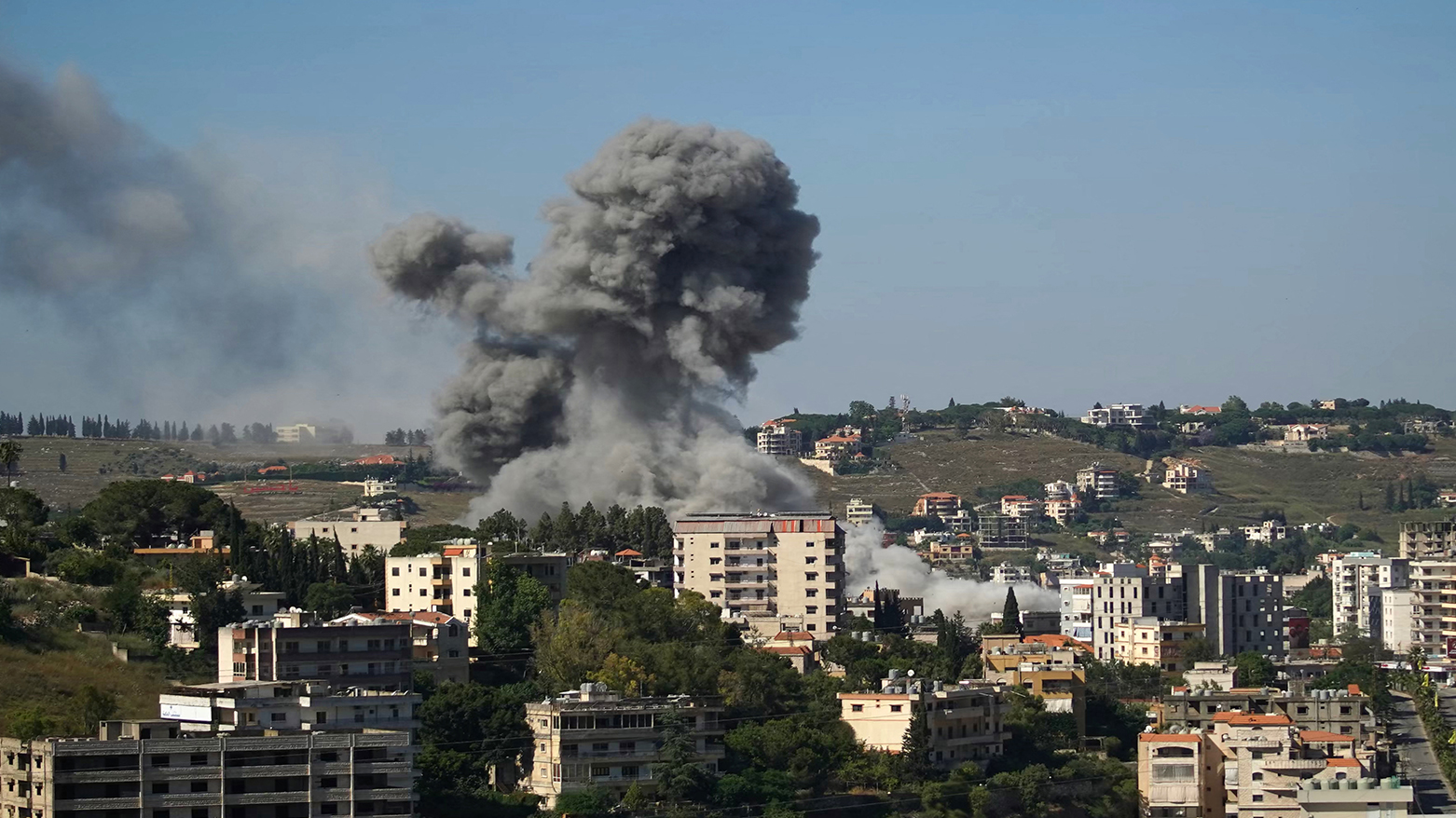
ERBIL (Kurdistan24) – Israel launched fresh airstrikes across southern Lebanon on Sunday, Lebanese state media reported, just two days after Israel and Lebanon signed a U.S.-brokered framework agreement aimed at ending decades of conflict, amid mounting opposition from Hezbollah.
According to Lebanon's state-run National News Agency (NNA), multiple Israeli strikes targeted areas in southern Lebanon on Sunday. The renewed attacks followed an Israeli strike on Saturday that killed one person, according to Lebanon's Health Ministry.
The Israeli military said Saturday's strike targeted Hezbollah members operating near its self-declared "security zone," which extends about 10 kilometers (six miles) into southern Lebanon.
On Sunday, the Israeli army also announced that one of its soldiers had "fallen in combat" in southern Lebanon. In a subsequent statement, Israeli military chief Eyal Zamir approved plans for "continued operations in the security zone, in accordance with the ceasefire agreement."
The escalation comes despite the signing of a framework agreement in Washington on Friday after five rounds of negotiations between Israeli and Lebanese officials. The accord is intended to pave the way toward peace between the two countries, which have officially remained at war for decades.
Under the agreement, Israel's withdrawal from occupied Lebanese territory is contingent upon the Lebanese government disarming Hezbollah, the Iran-backed armed group that has long been a central force in the conflict.
Lebanese President Joseph Aoun told U.S. President Donald Trump on Saturday that Beirut would "assume its responsibilities" in implementing the agreement.
Israeli Prime Minister Benjamin Netanyahu described the accord as "historic" for Israel.
Hezbollah, however, has firmly rejected the deal. The group's leader, Naim Qassem, said on Saturday that Hezbollah considers the agreement "null and void," calling it "a surrender of sovereignty."
A Hezbollah lawmaker also warned that the implementation of the agreement could trigger "internal conflict" in Lebanon, while supporters of the group staged protests on Friday evening against the framework.
The latest hostilities follow months of fighting that began in March, when Hezbollah launched rocket attacks on Israel, prompting Israeli airstrikes and a ground offensive in southern Lebanon. The renewed violence underscores the fragile nature of the newly signed agreement and the significant challenges facing its implementation.