UAE Lifts Travel Ban for Citizens Visiting Lebanon
Emiratis may travel to Lebanon again as Abu Dhabi eases restrictions imposed during the Middle East war, while the ban on Iran remains in place
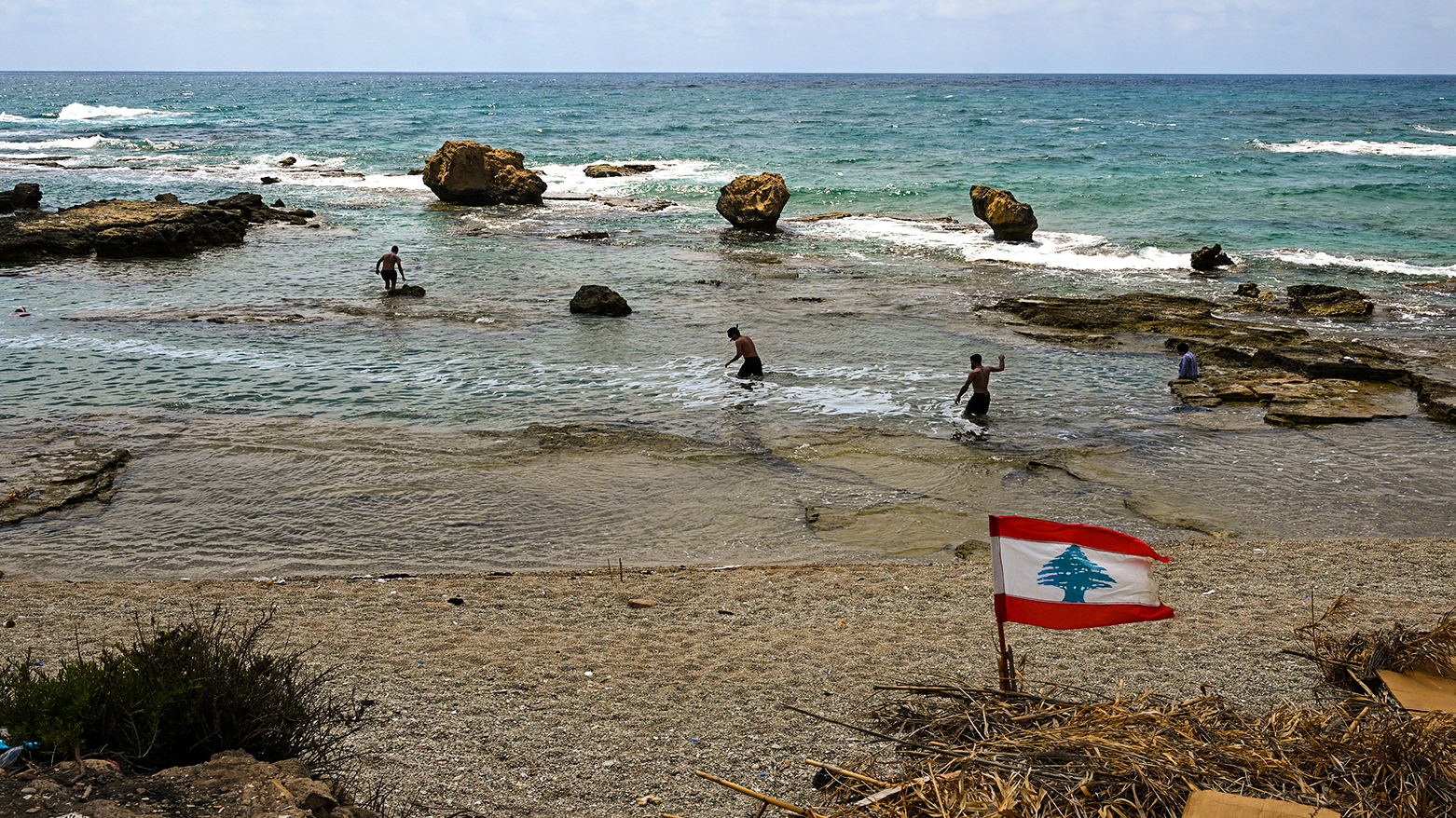
ERBIL (Kurdistan24) — The United Arab Emirates has lifted its travel ban on citizens visiting Lebanon, allowing Emirati nationals to travel to the country from Monday after weeks of restrictions imposed amid the recent Middle East war and security concerns.
The UAE Ministry of Foreign Affairs announced that Emirati citizens are permitted to travel to Lebanon effective June 29, according to the state-run WAM news agency.
The ministry also urged travelers to register through its consular services platform before departing for Lebanon to facilitate assistance in case of emergencies.
The UAE suspended travel by its citizens to Lebanon, Iraq, and Iran in April, citing regional security developments linked to the conflict that erupted following U.S. and Israeli strikes on Iran beginning on Feb. 28.
During the war, which ended with a ceasefire in April, several Gulf states were affected by Iran's retaliatory aerial attacks, prompting governments across the region to tighten travel advisories and implement precautionary measures.
While restrictions on travel to Lebanon have now been lifted, the UAE has not announced a similar decision for Iran. The travel ban for Emirati nationals visiting the Islamic Republic remains in effect.
The announcement came on the same day that commercial flights resumed between Tehran and Dubai for the first time since the outbreak of the conflict, according to Iranian state media, signaling a gradual normalization of some regional transport links despite continuing travel restrictions.
The UAE's decision to ease restrictions on travel to Lebanon comes despite longstanding concerns among Gulf Arab states over Iran's influence in the country through the armed group Hezbollah. Backed and armed by Tehran for decades, Hezbollah has been a dominant political and military force in Lebanon, with Gulf governments frequently accusing it of undermining Lebanese sovereignty and serving as a proxy for Iranian regional interests.
Regional tensions intensified during the Middle East war that erupted after U.S. and Israeli strikes on Iran on Feb. 28. In retaliation, Iran launched waves of ballistic missiles and drones targeting U.S. military installations and strategic sites across the Gulf, including in the United Arab Emirates, causing widespread disruption to air travel and prompting Gulf states to tighten security measures.
The conflict, which ended with a ceasefire in April, prompted Abu Dhabi to suspend travel by Emirati citizens to Lebanon, Iraq and Iran as a precaution against further regional escalation.
Although the UAE has now lifted restrictions on travel to Lebanon, the ban on travel to Iran remains in place, reflecting continued security concerns despite signs of easing tensions, including the resumption of commercial flights between Tehran and Dubai.