Death Toll Rises to 72 After Ceuta Border Crossing Crisis
Spain intensifies rescue and security operations as Morocco disputes casualty figures, launches an investigation, and expands cooperation over one of the largest migration surges at the EU's North African border.
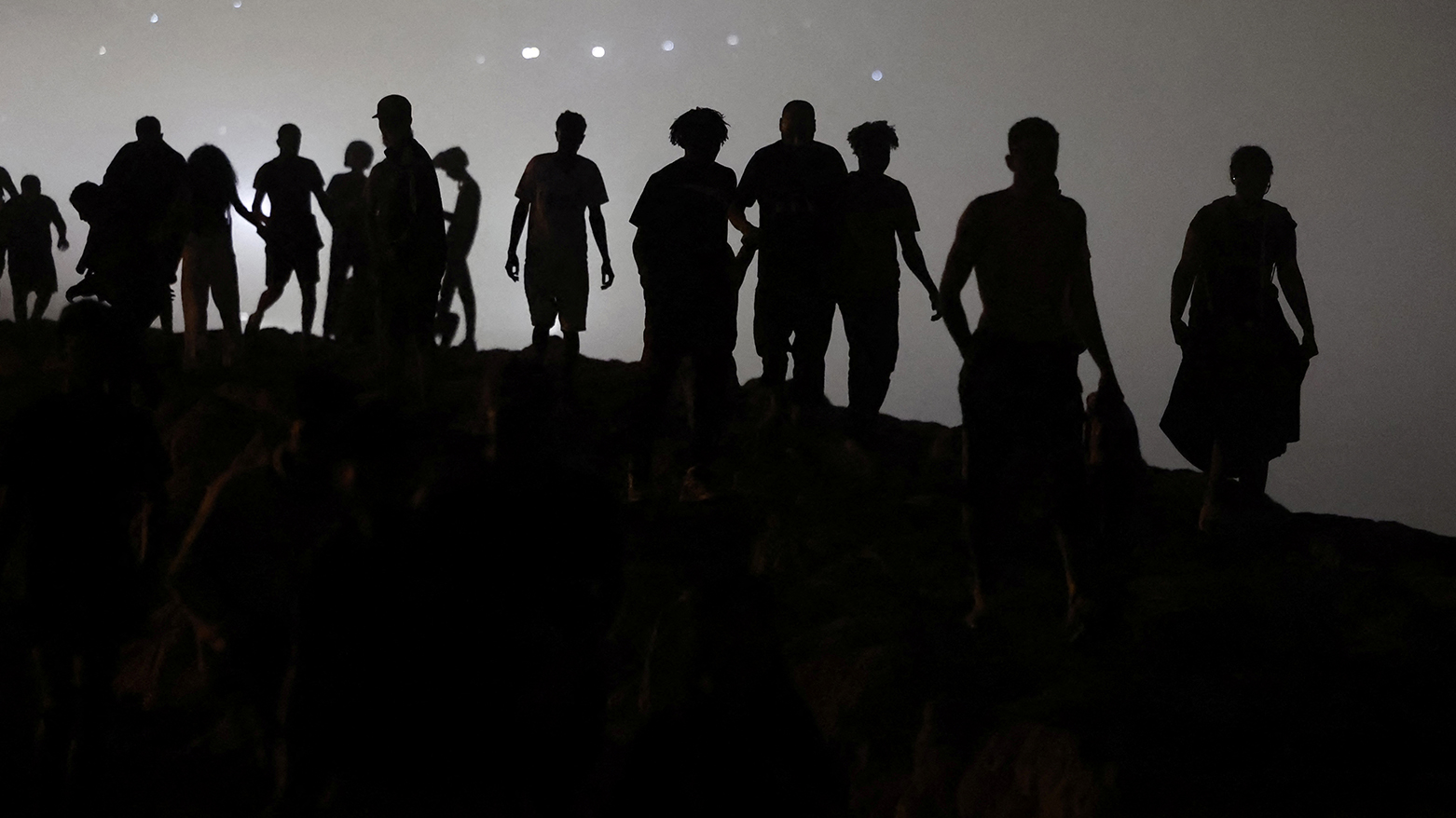
ERBIL (Kurdistan24) - The death toll from the mass migration attempt into the Spanish enclave of Ceuta has climbed to 72 after additional bodies were recovered along the coastline, deepening a crisis that has evolved from an unprecedented border crossing into a humanitarian emergency with regional political consequences.
Spanish authorities said the latest discoveries brought the confirmed number of fatalities to 72 as recovery operations continued at sea and along the shoreline.
The tragedy unfolded after tens of thousands of migrants attempted to reach the European Union territory by land and sea in what officials described as one of the largest migration surges ever recorded at the bloc's land frontier in North Africa.

Beyond the immediate loss of life, the events have placed Spain and Morocco at the center of a complex humanitarian, diplomatic, and security challenge.
Authorities on both sides of the border are working to recover victims, process large numbers of migrants, facilitate returns, and determine the circumstances that triggered the crossings, while the wider European Union has renewed discussions over the protection of its external borders.
Spanish officials said more than 60,000 people attempted to enter Ceuta beginning Thursday.
According to Madrid, roughly 48,000 migrants were returned to Morocco within 48 hours through coordinated operations as officials sought to regain control of the enclave.

Miguel Ángel Pérez, the Spanish government's representative in Ceuta, said more than 1,000 people had received medical treatment since the crisis began, reflecting the strain placed on emergency services.
While conditions in the city have begun to stabilize, he said authorities still face significant work before normality can be restored.
The scale of the emergency has prompted a broad response from Spain, including the deployment of additional military personnel and police units, strengthened maritime security, and ongoing search and recovery operations.
Authorities have also installed a 500-meter maritime barrier as part of efforts to manage further unauthorized crossings.

Local officials cautioned that recovery efforts remain ongoing.
Juan Jesús Vivas, the leader of Ceuta, said the city's morgue currently contains 88 bodies, including victims from earlier migration attempts, while noting that Moroccan authorities are also recovering bodies from the surrounding waters and that the identification process remains underway.
The humanitarian impact has resonated deeply among residents.
Karima Abinaz, a French resident of Ceuta, lamented the deaths, saying, "It is agonizing to see young people dying at sea," and described the loss of migrants, including mothers and children, as a tragedy that reflects broader social and economic hardships.

As Spain responded to the immediate crisis, Morocco sought to clarify its account of the events and challenged figures circulating in some media reports.
The Moroccan Ministry of Interior said approximately 40,000 people attempted to cross into Ceuta, while another 1,135 sought to enter the nearby Spanish enclave of Melilla.
Moroccan officials said those totals were derived from field surveillance and official data collection, rejecting what they described as inaccurate and unsubstantiated migration estimates reported elsewhere.
Rabat also reported a lower casualty count than Spain, saying 11 people died during the border incidents and another 10 drowned after falling from boats.

Moroccan authorities said they are continuing to verify the identities and nationalities of victims in coordination with Spanish counterparts as part of the legal process required for the repatriation of remains.
Moroccan officials argued that the crossings were not spontaneous but stemmed from several overlapping factors, including misinformation spread through digital platforms, the activities of human trafficking networks, and misconceptions that entering Europe through the border would be straightforward.
The Interior Ministry added that border crossings had been reopened for individuals wishing to return voluntarily, describing the coordinated effort with Spanish authorities as an important step toward restoring stability.

At the same time, Morocco announced that prosecutors have opened a legal investigation to identify individuals suspected of organizing or facilitating the crossings.
Rabat said the inquiry forms part of a broader commitment to strengthen international cooperation against irregular migration and dismantle trafficking networks operating across the region.
The developments have also reverberated across Europe.
Spain has stressed that migrants who entered Ceuta irregularly will not be permitted to continue onward to mainland Spain or other Schengen countries, while several European governments have called for stronger protection of the EU's external frontiers in response to the scale of the crossings.

As recovery operations continue and investigations proceed on both sides of the border, the crisis in Ceuta has become more than a test of border management.
The rising death toll, conflicting official accounts, and coordinated efforts to respond underscore the intertwined humanitarian, security, and diplomatic challenges facing Spain, Morocco, and the European Union as they confront one of the region's most significant migration emergencies in recent years.
