Israel Reports Two Reservists Killed as Rome Talks Seek Lebanon Ceasefire
U.S.-backed negotiations continue despite renewed fighting in southern Lebanon, underscoring the fragile path toward a broader security agreement.
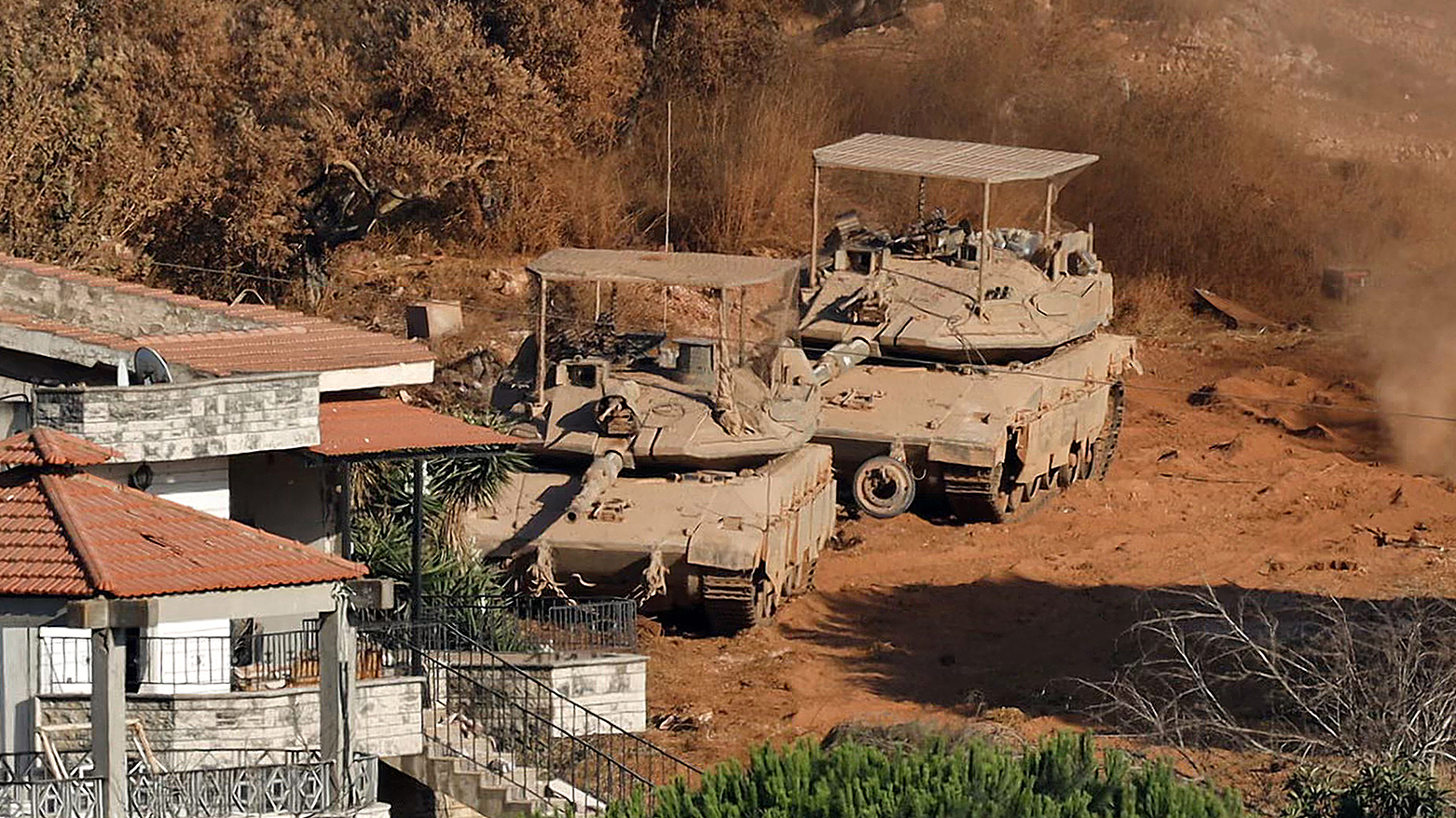
ERBIL (Kurdistan24) - Israel announced Thursday that two reservists were killed during combat operations in southern Lebanon, even as U.S.-backed negotiations continued in Rome in an effort to end months of cross-border hostilities, according to Agence France-Presse (AFP).
The deaths, the first Israeli military fatalities reported in southern Lebanon since June 28, came alongside renewed Israeli strikes and evacuation orders, highlighting the gap between diplomatic efforts and the reality on the ground.
The Israeli military identified the soldiers as Major Harel Birenstock, 34, and Sergeant Major Tamir Vaknin, 33, both serving with the 2855th Battalion of the 55th Brigade. According to AFP, the reservists were killed during combat operations on Wednesday.
Troop Deaths Amid Renewed Fighting
The announcement coincided with fresh Israeli military activity in southern Lebanon, where the Israel Defense Forces (IDF) said it had launched what it described as "precise strikes" targeting Hezbollah after alleging violations of the existing ceasefire arrangements.
"In response to a blatant violation of the ceasefire by the Hezbollah terrorist organisation, the IDF has begun conducting precise strikes in southern Lebanon," the military said in a statement, as reported by AFP.
The operations marked another escalation in a border region that has remained volatile despite diplomatic initiatives aimed at reducing tensions.

Rome Talks Continue Despite Tensions
While fighting intensified, negotiators from Israel and Lebanon remained engaged in U.S.-backed discussions in Rome designed to move both sides closer to a lasting security arrangement.
According to AFP, Israel requested that Wednesday's negotiating session conclude roughly three hours ahead of schedule. A source involved in the talks told AFP that the head of the Israeli delegation, U.S. Ambassador Yechiel Leiter, cited alleged "misleading leaks" from the Lebanese side as the reason for ending the session early.
Despite the interruption, negotiations were expected to resume for a third and final day, reflecting continued efforts to preserve momentum toward an agreement.
Ceasefire Framework Under Discussion
The current negotiations build on a framework established during earlier U.S.-sponsored discussions in June.
According to AFP, the proposed arrangement centers on a phased withdrawal of Israeli forces from southern Lebanon, the deployment of the Lebanese army into the area, the proposed disarmament of Hezbollah, and the expansion of pilot security zones intended to stabilize the border.
The latest round represents the seventh set of negotiations since Hezbollah entered the regional conflict in March by launching rockets toward Israel in support of Iran, prompting an extensive Israeli military response.

Strikes, Evacuation Orders, and Civilian Impact
As diplomatic talks unfolded, Israeli military operations continued across southern Lebanon.
The IDF issued its first evacuation warning in weeks, instructing residents of the town of Mansouri to leave immediately.
"For your safety, you must evacuate your homes immediately and move north," the military's Arabic-language spokeswoman, Ella Waweya, said in a public warning cited by AFP.
Lebanese state media reported that one person was killed and 11 others were wounded in a separate Israeli strike.
The renewed violence followed a period of relative calm. AFP cited the United Nations humanitarian agency as saying that more than 800,000 displaced Lebanese had begun returning to their homes after fighting subsided in recent weeks, although more than 360,000 people remain displaced.
Mansouri, located between the city of Tyre and the Israeli border, has experienced repeated strikes and shelling in recent weeks despite the ceasefire arrangements that took effect in June.

Hezbollah Rejects Direct Negotiations
The Rome talks have also exposed continuing political divisions over the future of southern Lebanon.
Hezbollah leader Naim Qassem rejected the direct negotiations, saying they would bring "nothing but shame, humiliation" for Lebanon, according to AFP. The group has continued to oppose disarmament, one of the central issues under discussion.
Diplomatic outreach has extended beyond the negotiating table. Italian Foreign Minister Antonio Tajani held discussions with his Iranian counterpart, urging Tehran to halt Hezbollah's military activities. Shortly before the latest Israeli strikes, Tajani expressed hope that the Rome meetings would produce "concrete results."

Diplomacy Tested by Continuing Violence
The latest battlefield developments underscore the challenges confronting negotiators seeking to translate diplomatic progress into lasting stability.
Although violence has declined since the June ceasefire arrangements and subsequent regional diplomatic efforts, Lebanon continues to report intermittent Israeli strikes, shelling, and military operations in southern villages.
According to AFP, Israel's military says it has lost 38 soldiers and one civilian contractor since the conflict with Hezbollah began in March, a reminder that the human cost of the confrontation continues to mount even as diplomats work to secure a broader agreement aimed at ending hostilities.