Iraqi Politician Mithal al-Alusi Urges Saudi Investment Ahead of Baghdad Delegation Visit
Open letter calls for stronger Iraq-Saudi economic ties, anti-corruption reforms, and tangible investment gains
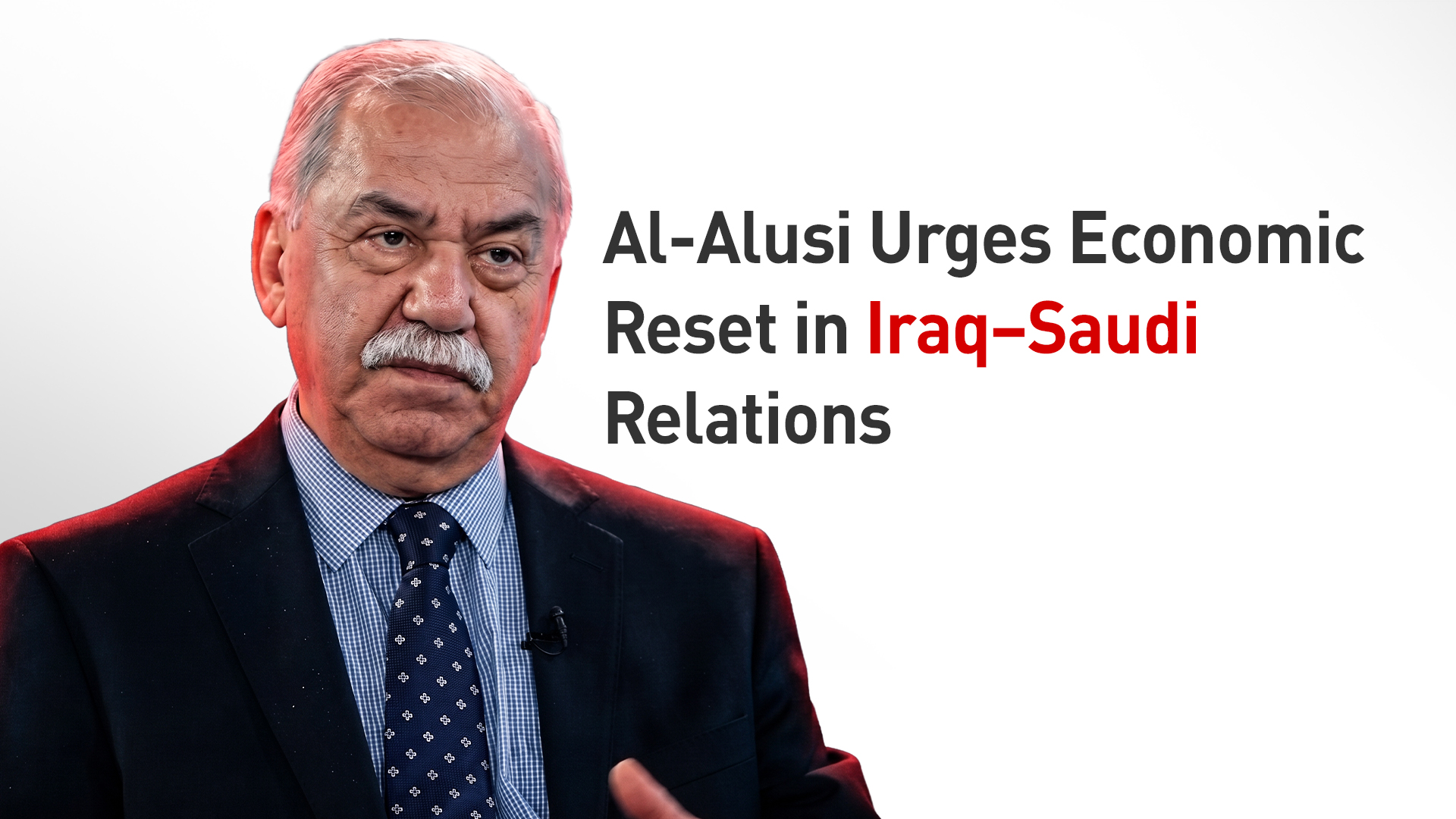
ERBIL (Kurdistan24) - Veteran Iraqi politician Mithal al-Alusi on Thursday urged Iraqi officials to prioritize economic cooperation with Saudi Arabia, arguing that Iraq's future prosperity depends on attracting investment and tackling entrenched corruption rather than relying on political rhetoric.
In a public letter published on his official X account, al-Alusi addressed Iraq's Prime Minister Ali al-Zaidi, who is expected to travel through Riyadh, calling on him to ensure the visit produces concrete economic results for Iraq.
Call for a New Strategic Outlook
Al-Alusi argued that Iraq should reassess its approach toward Saudi Arabia, saying regional realities require a more pragmatic and forward-looking strategy.
"For many years, Saudi Arabia has been portrayed in Iraq through outdated stereotypes," he wrote, adding that current geopolitical developments demand "a far more serious and strategic perspective."
He noted that regional powers, including Iran and Türkiye, continue pursuing their political, economic, and strategic interests, making stronger engagement with Gulf states increasingly important for Iraq.
Investment Over Politics
The central theme of al-Alusi's message focused on economic recovery through regional partnerships.
"There should be no embarrassment in asking Saudi Arabia to support Iraq through investment, economic cooperation, development projects, and financial assistance where appropriate," he wrote.
However, he argued that Iraq's greater challenge lies at home.
"The real embarrassment would be to seek assistance abroad while corruption at home continues unchecked and while those who have consumed Iraq's wealth remain untouched and unsatisfied," al-Alusi stated, stressing that meaningful reform must accompany any foreign investment.
Appeal to National Identity
Al-Alusi also called on Iraqi representatives abroad to present Iraq as a country with a rich historical and cultural legacy.
"Remember—and remind those you meet—that you represent the Iraq of Sumer, Babylon, and Assyria; the land of the great monotheistic faiths; the Iraq of Arabs and Kurds; the Iraq of Ali, and the land of our forefather Abraham," he wrote.
He added that although many Iraqi families continue to face economic hardship, they remain sustained by "the dignity and self-respect of the Iraqi people."
Reference to Kurdistan and Public Frustration
In his letter, al-Alusi also referred to the prolonged salary disputes affecting the Kurdistan Region, warning that economic grievances should not be underestimated elsewhere in Iraq.
"If Kurdistan and the Kurdish people have endured the injustice of having their salaries and livelihoods withheld, one should never underestimate the patience—or the eventual anger—of Iraq's Arab population when dignity and livelihood are at stake," he wrote.
The remarks linked broader economic concerns across Iraq to growing public expectations for improved governance and financial stability.
A Call Not to Return Empty-Handed
Concluding his message, al-Alusi urged Iraqi officials to ensure that any visit to Saudi Arabia delivers measurable benefits rather than symbolic diplomacy.
"Should Riyadh indeed be part of your journey, let that visit produce something tangible for Iraq and its people," he wrote.
"Do not return empty-handed."
He called for agreements that would generate investment, economic partnerships, development opportunities, and broader support for a country that, in his words, "has paid far too high a price for corruption, conflict, and political mismanagement."
Al-Alusi ended the letter by invoking a well-known Arab proverb: "As though, Abu Zayd, you had never gone to battle at all," underscoring his message that diplomatic visits should ultimately be judged by practical outcomes rather than ceremonial engagements.