PMF Leader Urges Iraqi 'Islamic Resistance' to Hold Back on Retaliation
Badr Organization leader Hadi al-Amiri calls for restraint and diplomatic action as Baghdad raises military readiness amid warnings of possible militia attacks on Saudi Arabia and US interests.
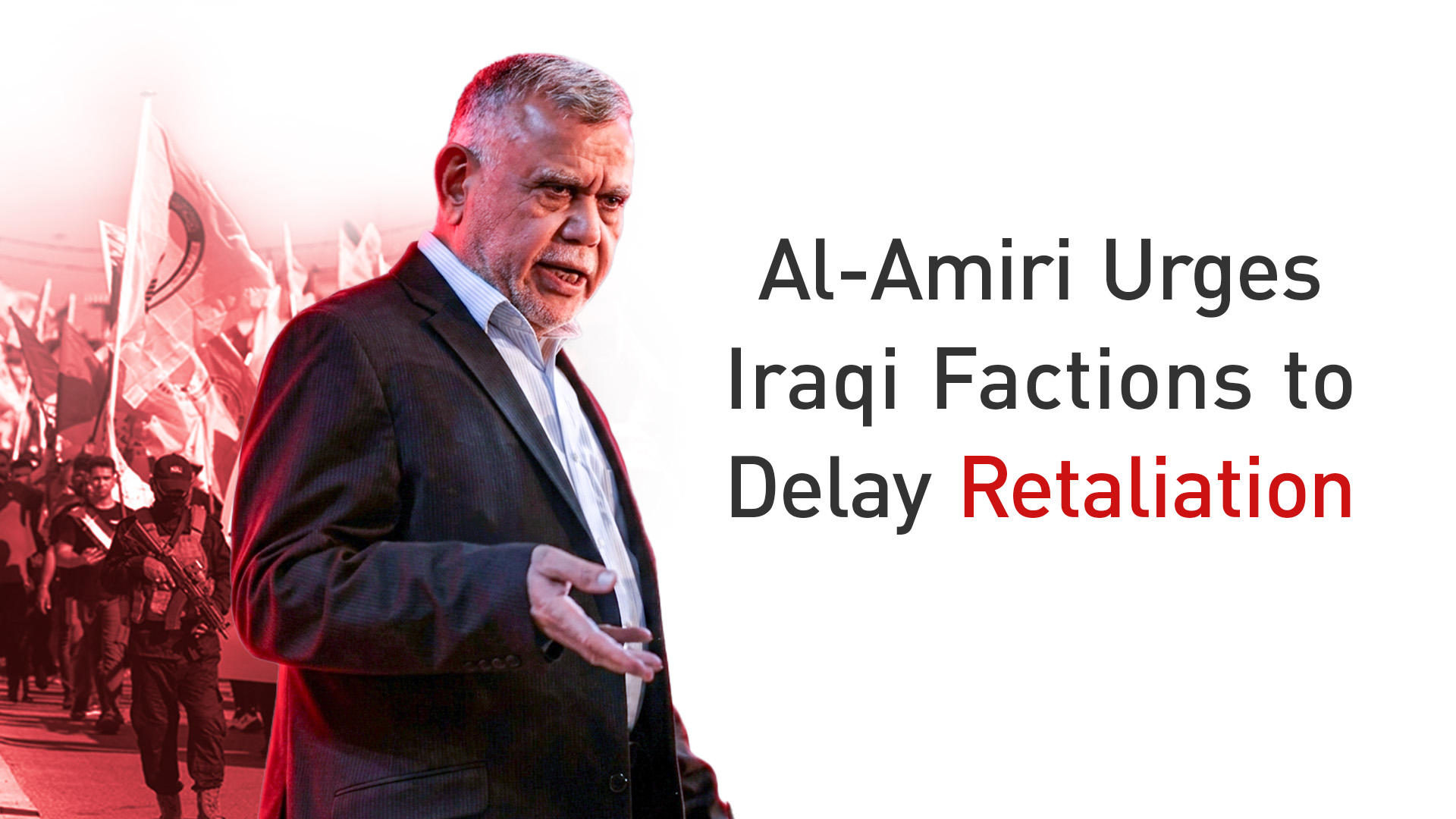
ERBIL (Kurdistan24) - Badr Organization Secretary-General Hadi al-Amiri has called on factions within the "Islamic Resistance in Iraq" to refrain from immediate retaliation for recent American-Saudi strikes, urging them instead to give diplomacy time to address the deaths and injuries caused by the attacks.
In a video message directed at members of the armed factions, al-Amiri appealed for patience, saying Iraq's "supreme interests" should take precedence over an immediate military response.
He urged what he described as the resistance to "defer any response" while the rights of those killed and wounded are pursued through diplomatic channels.
His intervention comes as Iraq's military and security forces operate under heightened readiness amid government concerns over possible attacks launched from Iraqi territory against Saudi Arabia and US interests.
Saudi Arabia and the United States have warned Baghdad of a strong response if such attacks occur, adding pressure on Iraqi authorities to prevent the country from becoming a launch point for a wider regional confrontation.
Al-Amiri Calls for Restraint
Al-Amiri presented restraint as a means of protecting Iraq from further escalation while preserving the interests of those affected by the recent strikes.
"We will pursue the rights of the killed and wounded through diplomatic means," he said, addressing fighters whom he referred to as his "heroic brothers."
The appeal places emphasis on political and diplomatic channels rather than an immediate retaliatory operation.
It also comes at a sensitive moment for Iraq, where armed factions maintain their own positions on regional conflicts while the federal government seeks to assert control over security decisions and Iraqi territory.
Al-Amiri's remarks therefore carry significance beyond the immediate question of retaliation.
They reflect an effort, at least publicly, to encourage restraint among factions that could otherwise draw Iraq deeper into regional hostilities.
Iraq on High Alert
The call came as Iraqi authorities moved to reinforce military and internal security preparations.
The Security Media Cell said the government had ordered higher security and combat readiness across military and security formations, including field exercises, training and the repositioning of forces.
Baghdad Operations Command separately said its formations had begun implementing measures intended to ensure that forces remain prepared to respond to emerging threats.
The measures include tighter controls on military movements, increased intelligence and aerial surveillance, and the reinforcement of checkpoints.
The 9th Armored Division and 25th Infantry Division were also placed on full combat alert and directed to strategic positions, according to the supplied reports.
Security authorities have additionally ordered greater surveillance of roads and locations considered potential sites for attacks or rocket launches.
The heightened posture follows intelligence concerns cited by a source within the Joint Operations Command who told Kurdistan24 that factions affiliated with the "Resistance Front" were preparing possible attacks against Saudi interests.
Pressure From Riyadh and Washington
The prospect of such attacks has placed Baghdad between competing pressures: demands from armed groups for retaliation and the government's stated determination to prevent Iraqi territory from being used against neighboring countries.
At a national security meeting chaired by Interior Minister Abdul Amir Al-Shammari, Prime Minister Ali Zaidi's directives on raising readiness were discussed with senior military and security officials, including the Army chief of staff, the Counter-Terrorism Service, Popular Mobilization Forces representatives and provincial operations commanders.
According to the supplied report, Zaidi stressed that Iraqi territory should not be used as a platform for threats by foreign actors, militias or armed groups.
The meeting also addressed border security, internal operations and the faster processing of intelligence.
The government has simultaneously sought closer coordination with Saudi Arabia.
Saudi Foreign Minister Prince Faisal bin Farhan met Iraqi Foreign Minister Fuad Hussein on Aug. 5, with both sides stressing the importance of preventing Iraqi territory and resources from being used for aggression against neighboring states.
Diplomacy Versus Retaliation
The security measures follow strikes on July 29 that, according to the supplied reports, targeted Popular Mobilization Forces headquarters and killed 20 people and wounded 32 others.
The attacks sharply strained relations between Baghdad and Riyadh and led to the cancellation of Zaidi's planned visit to Saudi Arabia.
Since then, Iraqi authorities have sought to contain the possibility of further escalation while preparing security forces for sudden developments.
That balancing act is central to al-Amiri's message.
His appeal does not dismiss the grievances of the factions or the deaths and injuries resulting from the strikes. Instead, he argues that those claims should be pursued through diplomatic channels while retaliation is postponed.
For Baghdad, the challenge is particularly acute because the government's security preparations are taking place alongside efforts to bring weapons and armed activity under greater state control.
A recent decision by the State Administration Alliance calling for all weapons to come under strict state control by Sept. 30 has reportedly faced resistance from several factions.
What Comes Next
Al-Amiri's appeal for restraint comes as Iraq attempts to prevent a new cycle of attacks from turning its territory into another front in the regional conflict.
The government has raised military readiness, intensified intelligence operations and reinforced security positions, while diplomatic contacts with Saudi Arabia continue.
At the same time, armed factions face competing pressures over how and when to respond to the strikes.
For now, al-Amiri is urging them to wait.
His message places the emphasis on Iraq's broader interests and on pursuing the rights of those killed and wounded through diplomacy, underscoring the difficult balance Baghdad faces between responding to armed factions' demands and preventing further escalation beyond its control.