Pezeshkian: Regional Ties Strengthened After Iran War
Iran’s Masoud Pezeshkian says neighboring states provided major logistical support during the 12-day war and helped strengthen Tehran’s regional ties.
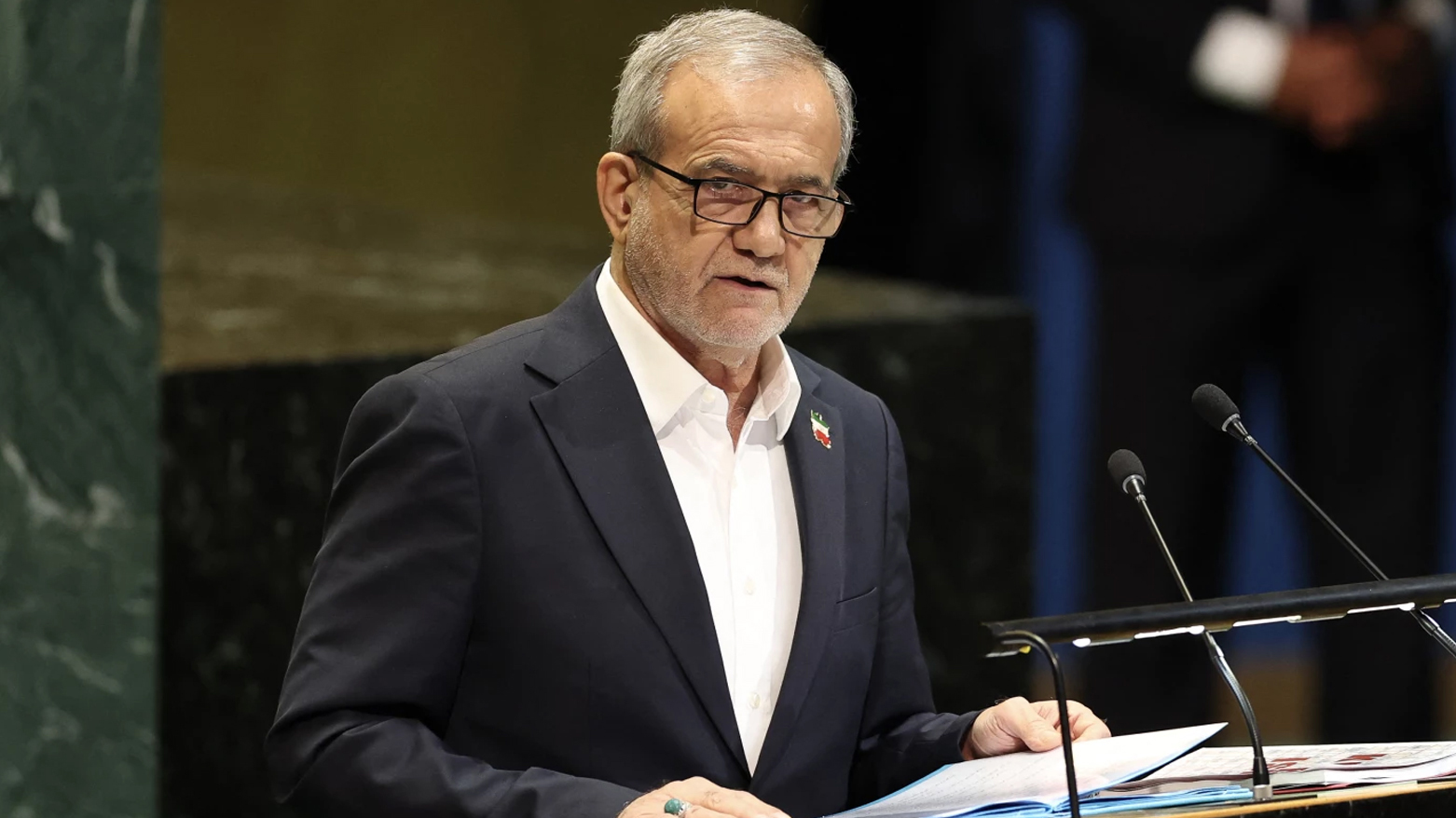
ERBIL (Kurdistan24) - Iranian President Masoud Pezeshkian said Sunday that, despite the complexities of the 12-day war, Tehran’s diplomatic position and relations with regional countries have strengthened, highlighting what he described as major logistical assistance from neighboring states.
Speaking on Sunday, Pezeshkian said that during the 12-day war, regional states officially condemned Israel and the United States. He said such positions represented a significant change compared with the past, when those countries had not openly and formally opposed Washington and Tel Aviv in the same manner.
Pezeshkian said the developments during the war complicated regional diplomacy to some extent. He explained that when Iran attacked US military bases in the region, neighboring countries became concerned because missiles were falling on their territory. Although those countries had not themselves attacked Iran, he said, because the attacks on Iran had been launched from bases located on their territory, Iran had the right to respond to those bases.
Pezeshkian said opponents had planned to attack border points from the northwest and southeast and bring forces into Iran, but failed to do so.
“They wanted to target our security forces in order to create unrest and street protests and mobilize Iran’s different nations so that the country would be fragmented, but all their plans were thwarted,” he said.
The Iranian president said that despite the wartime complexities, Tehran’s diplomatic relations with countries in the region are now in a much better position than they were during the war.
He outlined the level of coordination with neighboring countries, saying Pakistan has been coordinating and cooperating with Iran with its full capabilities, while Afghanistan and Turkmenistan have maintained very good and positive levels of cooperation and compatibility.
Pezeshkian said Iraq’s cooperation was strong and continuous throughout the war.
He also described developments with Azerbaijan, saying Baku initially closed all roads, banks and the Iranian embassy. However, following a telephone call and a two-hour discussion, Azerbaijan reopened the banks, embassy and transportation routes and provided major logistical assistance to Iran during the war, including Russian and domestic logistical transportation.
Pezeshkian added that both Afghanistan and Pakistan had sent forces to prevent anyone seeking to enter Iranian territory to create unrest.
“We have placed our hope in God and our people, because if we only wait for outside help, we must sign the agreement of defeat,” he said.
Pezeshkian stressed the importance of good-neighbor relations and diplomacy, saying that without these shared diplomatic channels with neighboring countries, securing the necessary logistical materials and supplies under heavy sanctions would have been difficult.
He also said that changing ministers alone should not be considered a solution to Iran’s problems.
Replacing officials by itself, he said, would not resolve the issues because bringing in new people would only require additional time to establish new coordination.
“The problems must be solved at their roots. It is not acceptable that after 48 years, the economic, industrial, agricultural, educational and cultural situation remains this disorganized,” Pezeshkian said.
The Iranian president added that the government has held several meetings with university professors specializing in economics, management, diplomacy and politics in an effort to find fundamental solutions to the country’s problems.