Kurdish Lawmakers Move to Block Food-Ration Card Transfers in Iraq’s Article 140 Disputed Areas
Kurdish officials warn unrestricted transfers could alter population patterns in disputed territories before the constitutional process on their status is resolved
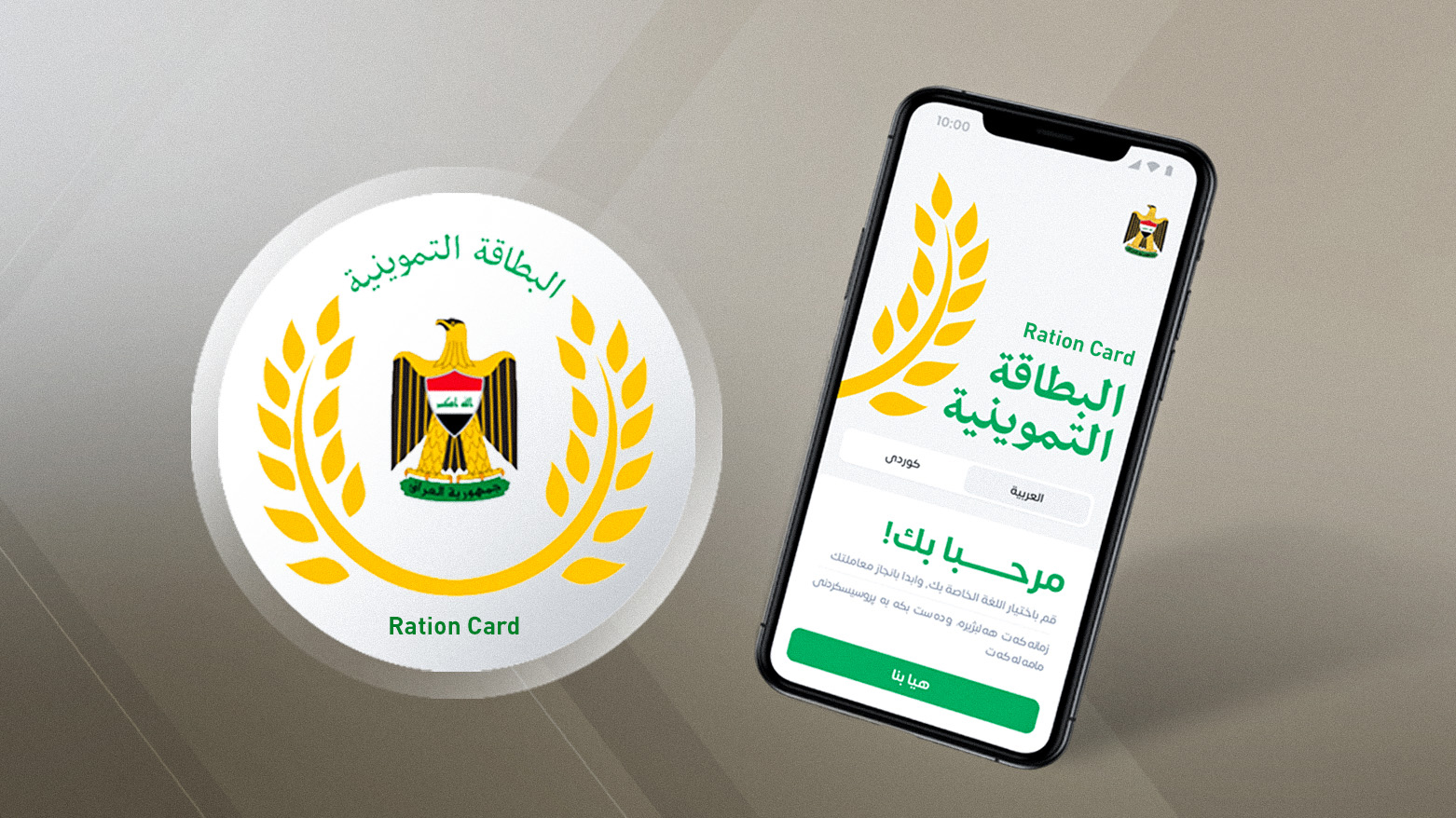
ERBIL (Kurdistan24) — A group of Kurdish lawmakers in Iraq’s parliament is seeking to block a federal decision allowing citizens to transfer their food-ration cards to areas covered by Article 140 of the Iraqi Constitution without prior approval from the committee overseeing the disputed territories, warning that the measure could have long-term consequences for the demographic balance of those areas.
The move follows a decision by Iraq’s Ministry of Trade that allows citizens to transfer their food-ration cards between provinces and disputed areas without obtaining prior authorization from the Article 140 committee.
The decision has triggered concern among Kurdish residents, lawmakers and officials, who argue that unrestricted transfers could facilitate population movements into disputed territories at a time when the constitutional process for determining their status remains unresolved.
Sirwa Mohammed, a representative of the Patriotic Union of Kurdistan (PUK) parliamentary bloc, told Kurdistan24 that several Kurdish lawmakers had sent a formal letter to the Ministry of Trade and met with the minister to request that the decision be suspended and that the special circumstances of the Article 140 areas be taken into consideration.
Mohammed said that while transferring food-ration cards between ordinary areas might be a routine administrative procedure, applying the same policy to Article 140 areas was different because their status had yet to be resolved.
She said Kurdish lawmakers had asked the trade minister to develop alternative mechanisms and solutions until Article 140 is implemented, stressing that the failure to implement the constitutional provision remains the main source of the dispute.
Why the food-ration system matters
Food-ration cards are not simply an administrative tool in the context of Iraq’s disputed territories. They provide an official record connecting individuals and families to a particular place of residence and access to state-subsidized food supplies.
Consequently, allowing people to transfer their ration cards into disputed territories without a prior review could potentially facilitate the formal registration of new residents in those areas.
Kurdish lawmakers and officials fear that, if implemented on a large scale, such transfers could gradually change population patterns in territories whose demographic composition is itself central to the dispute between the federal government in Baghdad and the Kurdistan Regional Government.
The concern is particularly significant because Article 140 envisages a process of normalization, a census and a referendum to determine the status of disputed territories. That process was intended to address demographic changes and other consequences of policies implemented in the disputed areas before allowing their populations to determine their future status.
The constitutional process, however, has never been fully implemented, leaving the status of territories including Kirkuk and other disputed areas unresolved.
Kurdistan Region Prime Minister Masrour Barzani, in an interview with Al Jazeera published Sunday, also highlighted the need to resolve outstanding disputes between Erbil and Baghdad, including the implementation of Article 140, oil and gas legislation, taxation, and the division of powers among the federal government, the Kurdistan Region and Iraq’s provinces.
Article 140 committee's approval is not required!
The controversy intensified after a letter issued on July 28 by Hadi al-Amiri, chairman of the Article 140 committee.
According to the letter, numbered 557, the transfer of food-ration cards between provinces and disputed areas does not fall within the committee’s responsibilities and does not conflict with its regulations.
The letter therefore concluded that there was no obstacle to citizens transferring their food-ration cards to the disputed areas without obtaining approval from the Article 140 committee.
That position has prompted Kurdish lawmakers to intensify efforts in Baghdad to halt or reconsider the decision.
Kurdish officials argue that the absence of restrictions could create a mechanism through which population movements become administratively recognized before the constitutional process has determined who is entitled to settle in, return to, or register in the disputed territories.
Potential demographic implications
The central Kurdish concern is not the food-ration card itself but the cumulative demographic effect of unrestricted population registration.
If residents from outside the disputed territories are permitted to transfer their ration cards into those areas without scrutiny, Kurdish lawmakers fear that the resulting records could eventually be used as evidence of residency or population distribution in future administrative or political processes.
This could become particularly consequential if a census or other mechanism related to Article 140 is eventually undertaken.
Kurdish officials therefore argue that demographic records in the disputed territories should remain subject to safeguards until the constitutional process is completed, rather than allowing population movements to take place without oversight.
From their perspective, the issue is also tied to the legacy of demographic policies implemented under Saddam Hussein, when Arabization campaigns displaced Kurdish and Turkmen populations and encouraged the settlement of Arab families in strategically important areas.
The post-2003 constitutional framework sought to address those demographic changes through Article 140's normalization process before a final determination of the territories’ status.
A dispute extending beyond administrative procedures
The disagreement over food-ration cards therefore reflects a broader dispute over who controls demographic and administrative processes in Iraq’s contested territories.
For Kurdish lawmakers, permitting unrestricted transfers before Article 140 is implemented risks creating new demographic realities that could complicate any future effort to resolve the territories’ status.
Mohammed said the lawmakers had asked the Ministry of Trade to suspend the decision and establish a different mechanism that takes the unresolved status of the disputed territories into account until Article 140 is implemented.
The dispute underscores a longstanding concern in Erbil that administrative decisions taken by federal institutions in the absence of an implemented Article 140 process could gradually alter the demographic, political and administrative landscape of the disputed territories—potentially making a future constitutional settlement even more difficult.