Kurdistan Interior Minister Says Baghdad Has Failed to Compensate Strike Victims
Kurdistan Region Interior Minister Reber Ahmed says damage claims have been submitted to Baghdad as oil companies seek security guarantees and air defense systems
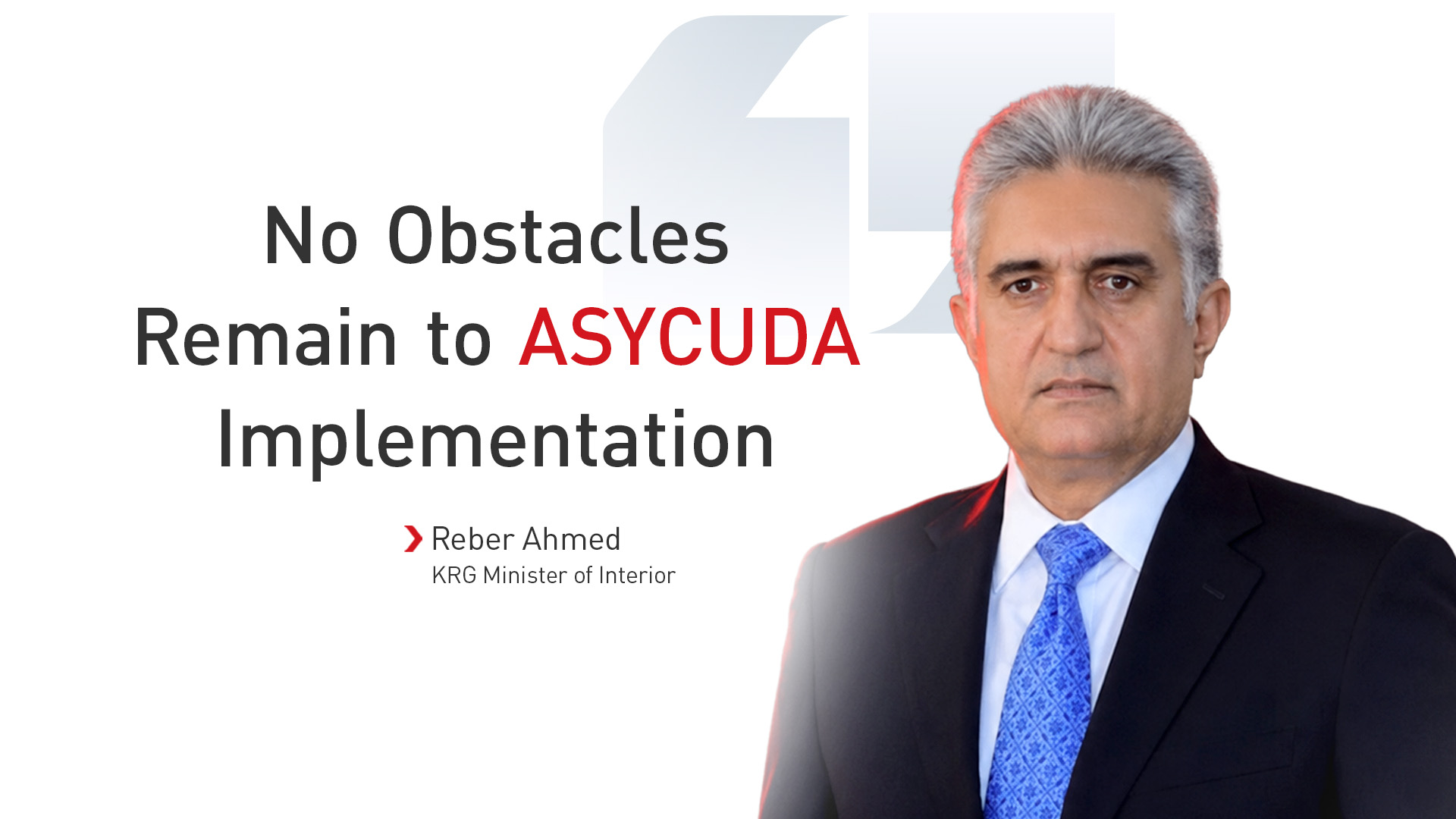
ERBIL (Kurdistan24) - Kurdistan Region Interior Minister Reber Ahmed said Tuesday that Baghdad has yet to take practical steps to compensate residents affected by drone and missile attacks on the region, despite receiving a detailed assessment of the damage.
Ahmed said the federal government has so far offered assurances but has not translated them into concrete measures to compensate victims, as concerns over attacks continue to affect security and economic activity in the Kurdistan Region.
Speaking to reporters on Tuesday, Ahmed also discussed an agreement with Baghdad on the implementation of the ASYCUDA customs system, security concerns surrounding oil production, and efforts to obtain air defense and counter-drone systems.
Baghdad Yet to Compensate Victims
Responding to a question from Kurdistan24 correspondent Hoshmand Sadiq about compensation for victims of recent attacks, Ahmed said the Kurdistan Regional Government (KRG) had completed a detailed report documenting the damage and submitted it to the federal government.
He criticized Baghdad for failing to follow through with practical measures.
"Unfortunately, no practical steps have been taken so far," Ahmed said, adding that the federal government's response had remained limited to promises.
The issue has gained importance as repeated drone and missile attacks have affected civilian and economic sites across the Kurdistan Region.
Kurdish officials have repeatedly called on Baghdad to assume greater responsibility for preventing attacks launched from Iraqi territory and protecting the region's population and infrastructure.
Oil Production Awaits Security Guarantees
Ahmed also linked the suspension of oil production by several foreign companies to security threats originating from within Iraq.
He said companies were unwilling to resume operations without credible guarantees that their facilities and personnel would be protected from further attacks.
The minister called on Iraqi Prime Minister Ali al-Zaidi to work toward ending threats against the Kurdistan Region, arguing that the security situation must be addressed before international energy companies can confidently restart operations.
The issue has wider economic implications for both the Kurdistan Region and Iraq, given the importance of oil production to government revenues and the broader energy sector.
Air Defense Talks Continue
Ahmed said discussions were also continuing with private companies and the Iraqi Army's Chief of Staff over the acquisition of air defense and counter-drone systems.
He said several meetings and visits had already taken place and that another meeting could be held in Baghdad in the coming days.
Importing such systems remains complicated, Ahmed said, but the federal government has indicated that it is prepared to cooperate because of the seriousness of the security situation.
According to the minister, Baghdad has acknowledged that it does not currently have the immediate capacity to provide full protection for the targeted oil facilities and has therefore pledged to facilitate the import of defensive systems by the companies themselves.
The arrangements would involve coordination between KRG institutions and the federal government, with the stated aim of protecting Iraq's energy infrastructure.
ASYCUDA Agreement Reached
Ahmed said Erbil and Baghdad have also reached a final agreement on implementing the ASYCUDA customs system and removing unauthorized checkpoints.
The agreement was reached under the direct supervision of Kurdistan Region Prime Minister Masrour Barzani following a series of meetings between the two sides, he said.
The remaining dispute over the distribution of customs revenues has been resolved through a 50/50 arrangement between Erbil and Baghdad, according to Ahmed.
He said the implementation of ASYCUDA would simplify customs procedures, facilitate trade and help revive commercial activity.
Ahmed also called for the removal of what he described as "illegal and unconstitutional checkpoints" between Iraqi cities and the Kurdistan Region, saying they impose unauthorized charges on travelers and traders.
Coalition Mission Enters New Phase
Ahmed also addressed the planned transition following the conclusion of the International Coalition's military mission against ISIS in Iraq.
He said relations between Iraq and the United States and European countries would increasingly shift toward bilateral cooperation rather than the existing coalition framework.
The minister stressed that maintaining stability in Iraq and the Kurdistan Region remains a priority for the international community.
For Erbil, however, the immediate concerns remain more concrete: securing compensation for those affected by attacks, restoring confidence among international energy companies and establishing adequate defenses against drones and missiles.
Ahmed's remarks underscore the growing pressure on Baghdad to move from assurances to practical measures as security concerns continue to affect both civilian life and the Kurdistan Region's economy.