Nujaba Movement: We Will Not Hand Over Our Weapons
A spokesperson for the Iraqi militia faction rejected calls to place all arms under state control, as Baghdad pursues a new weapons law.
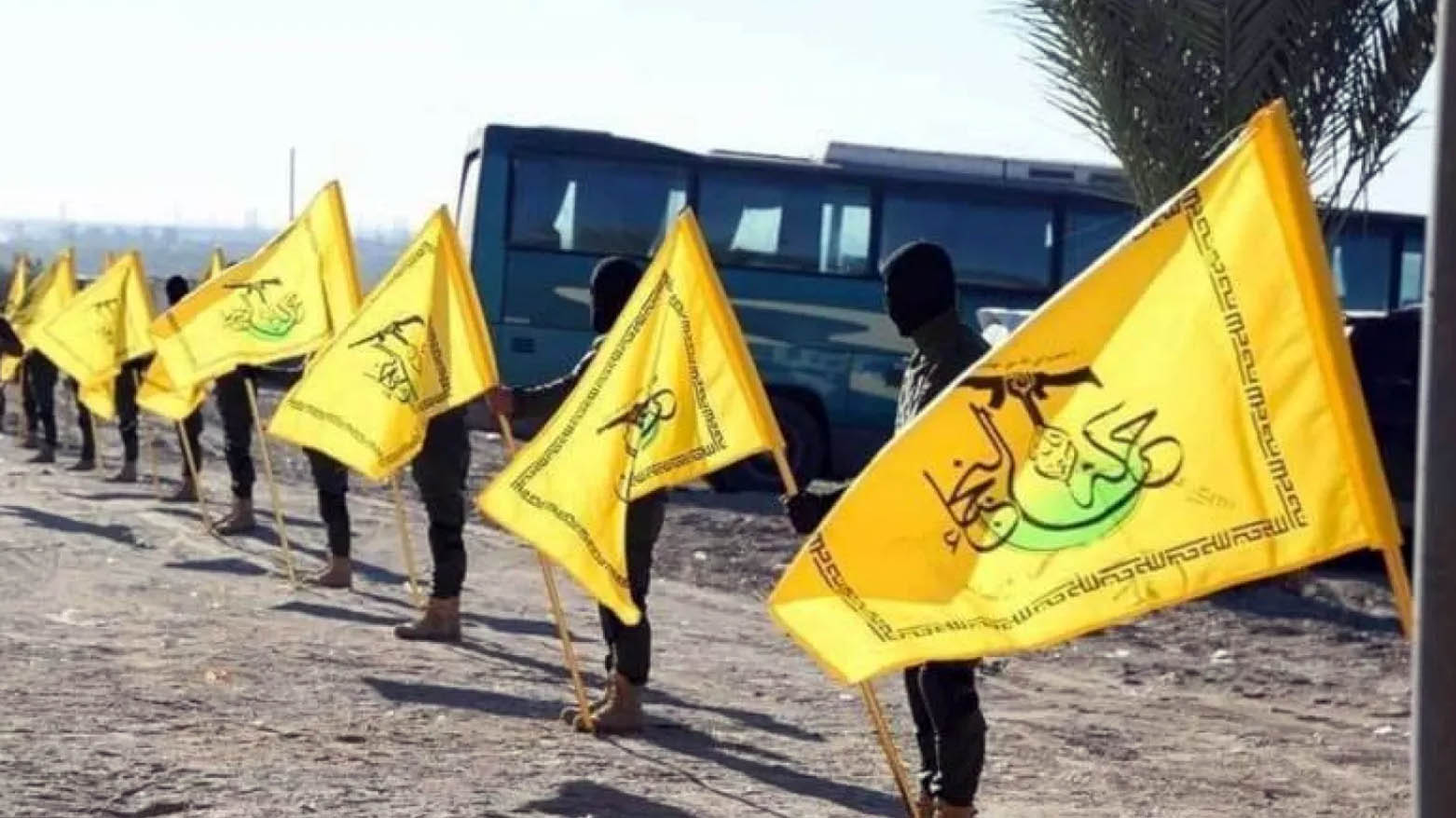
ERBIL (Kurdistan24) - A spokesperson for Iraq's Nujaba Movement said Wednesday, that the faction will not hand over its weapons under any circumstances, describing efforts to restrict arms to state control as a plan targeting so-called resistance factions.
Hussein Ali al-Mousawi, spokesperson for Iraq's Nujaba Movement, said the push to limit weapons to the state exclusively targets the arms of resistance factions. He said the effort reflects demands made by the United States and Israel, according to his own account. Al-Mousawi stressed that his movement will not surrender its weapons under any circumstances.
The comments come after Iraqi Prime Minister Ali al-Zaidi ordered the preparation of a draft law placing all weapons under state control, warning that unauthorized arms pose the greatest threat to the state by undermining the rule of law and the authority of security institutions. Al-Zaidi has called for strengthening Iraq's sovereignty and constitutional institutions while enhancing coordination between the executive and legislative branches to pass the necessary legislation.
Al-Mousawi also addressed reports that unmanned drones had been seized by official authorities, saying, according to his account, that the reports amounted to a staged narrative with no basis in fact.
Al-Mousawi said economic agreements between Baghdad and Washington have shifted Iraq, in his words, from a phase of military occupation to a phase of economic occupation.
The comments come as Baghdad works to advance its draft weapons law, with government spokesperson Haider al-Aboudi previously saying all security institutions must remain under state authority and that no party should control weapons outside that framework, while noting that bringing armed groups back under state control requires deep and comprehensive dialogue.