USAID Cuts Leave Nepal Mothers and Babies at Risk, AP Finds
AP reporting from rural Nepal shows how the collapse of U.S.-funded outreach and nutrition programs is leaving vulnerable mothers without care and contributing to preventable deaths.
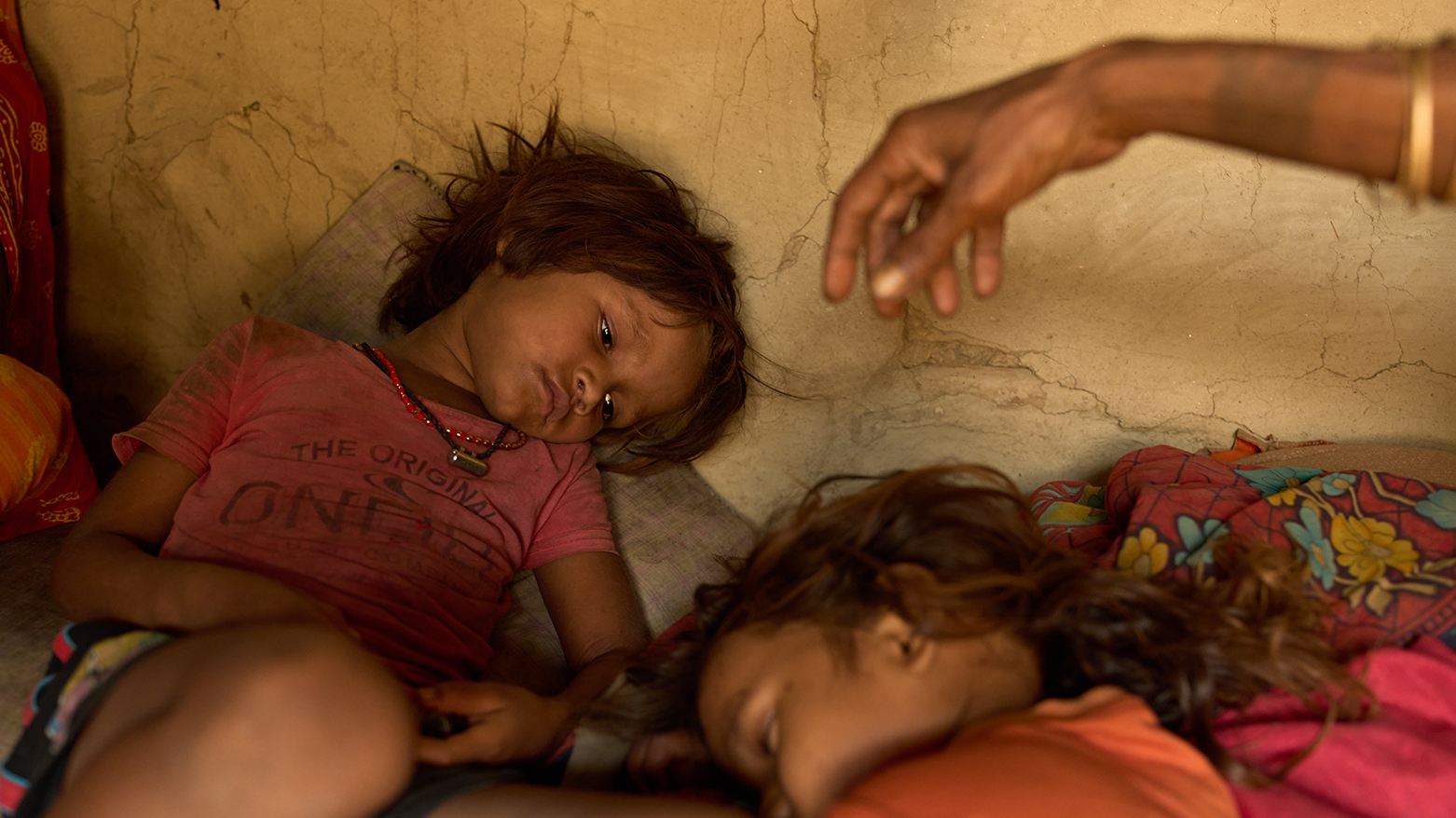
ERBIL (Kurdistan24) - The dismantling of major US foreign-aid programs is already being felt in some of the world's poorest communities, with women and newborns in rural Nepal facing the consequences of disappearing prenatal care, nutrition support and community health workers.
An extensive report by Associated Press journalist Kristen Gelineau, published Thursday, documents how the withdrawal of U.S. funding has disrupted maternal and neonatal health services in Nepal, including in the impoverished Rautahat district, where preventable complications are again emerging after years of progress.
The reporting centers on women who were once reached by aid-funded health workers but are now navigating pregnancy with little information or support.
One of them was Kabita Mukhiya, a young mother who developed severe complications during pregnancy after missing key medical checks. By the time she reached a hospital, her unborn child had died and her own condition had become critical.

Doctors determined she was suffering from eclampsia, a dangerous pregnancy complication associated with severely elevated blood pressure. Severe anemia also contributed to her condition, according to medical staff interviewed by AP.
Kabita died before she could be transferred to intensive care.
A health network disappears
The tragedy illustrates a wider problem described by health workers and officials in Nepal: programs designed to identify pregnancy risks early have been dismantled or sharply reduced following U.S. foreign-aid cuts.
According to AP, a five-year, $35 million program in Nepal had reached more than 100,000 women and girls during its first three years. The program helped equip birthing centers, train nurses and midwives, and support female community health volunteers who visited pregnant women at home.
Those workers played a crucial role in a health system where poverty, low literacy and geographic isolation can prevent women from seeking care until complications become emergencies.

They explained warning signs, encouraged prenatal visits and, when necessary, helped women reach medical facilities.
Once the program ended, much of that outreach disappeared.
At a birthing center in Rautahat's Dewahi Gonahi municipality, officials told AP that the number of women attending prenatal examinations had fallen by roughly half following the funding cuts.
"There would have been a decrease in complications if the USAID program was still running," Kishori Shah, the center's officer in charge, told AP.
Newborn deaths return
The effects are also visible among newborns.
In the village of Prempur Gonahi, health officials said neonatal deaths had fallen to zero by 2024 after years of investment and outreach. Before the program began, the village reportedly recorded around 10 to 15 newborn deaths annually.
Following the cancellation of the program, deaths began appearing again.
AP reported that the first renewed neonatal death occurred in December, followed by four more by March.

The figures may still underestimate the scale of the problem because the funding cuts also eliminated some of the personnel responsible for collecting and reporting mortality data.
In Dewahi Gonahi, an official said local records listed only two infant deaths after the cuts, while health organizations were aware of at least eight.
"There must be more than that," Shatrudhan Singh of Campaign Nepal told AP. "We just can't identify them."
The collapse of data collection creates another consequence beyond the deaths themselves: policymakers may struggle to see the full extent of the deterioration.
Nutrition programs also hit
The consequences of the cuts extend beyond maternal care.
Nutrition programs that provided supplements and support to pregnant women and young children have also been disrupted.
AP reported that the prevalence of wasting among children under 5 in Kabita's province rose from 7.4 percent before the cuts to 12.3 percent in a subsequent government and aid-group screening.
Such programs often rely on relatively inexpensive interventions. Fortified nutritional supplements can help severely malnourished children recover, while basic birth supplies can reduce infection risks for mothers and newborns.
For poor households, however, the disappearance of those interventions can force families to make difficult choices between healthcare and basic necessities.

Kabita's own experience illustrates the consequences. She was previously enrolled in a U.S.-funded nutrition program during an earlier pregnancy, but that support was no longer available when she became pregnant again.
She was already severely undernourished and struggled to obtain the medical tests recommended by nurses.
A community health volunteer later said that, had the former outreach system still been operating, she would likely have recognized Kabita's symptoms and urged her to seek immediate treatment.
"I would have ... said, 'This woman needs a hospital today — not tomorrow,'" the volunteer told AP.
A wider global warning
Nepal's experience is part of a broader concern over the international consequences of shrinking development and humanitarian assistance.
AP reported that the Gates Foundation has warned that 2025 could become the first year this century in which global child deaths increase, while a study published in The Lancet estimated that the U.S. aid cuts could contribute to millions of additional deaths by 2030.
Rajat Khosla, executive director of the World Health Organization's Partnership for Maternal, Newborn and Child Health, described the reversal as a threat to decades of progress.

"It's heartbreaking to see what's happening," Khosla said, according to AP. "It's decades of progress being washed away."
The Trump administration, however, has rejected claims that its funding decisions are causing deaths.
In a statement to AP, the U.S. State Department said it had reoriented American assistance around efficiency, effectiveness and partnership. The department also said the United States remains the largest provider of health and humanitarian assistance and continues to support maternal and child health programs in Nepal.
"The rest of the world needs to contribute more and share the burden," the State Department said.
What is lost when outreach disappears
The Nepal case demonstrates that foreign aid is often less about high-profile medical infrastructure than about the small interventions that connect vulnerable people to existing health systems.
A community health worker visiting a pregnant woman, explaining why a blood test matters or recognizing dangerous swelling may prevent an emergency before it begins.
When those workers disappear, the medical system can remain open while becoming effectively less accessible to the people most in need.

That gap is especially severe in places like Rautahat, where many women have little formal education and limited income and may depend on relatives to decide when and where to seek medical care.
For families such as Kabita's, the consequences are irreversible.
Her children are now being raised without their mother, while relatives who cared for her struggle to understand how a pregnancy that had once appeared manageable ended in death.
The price of reversing progress
Nepal had made important gains in maternal and child health through a combination of government services, international assistance and community-based programs.
The AP reporting suggests that those gains can be fragile when funding disappears faster than governments can replace it.
For health workers in Rautahat, the question is no longer simply whether aid-funded projects were effective. It is whether the basic support systems those projects created can survive their removal.

The experience offers a broader warning for countries dependent on international assistance: when funding stops, the consequences may not appear immediately on balance sheets or policy documents.
They can emerge months later in hospital wards, in higher malnutrition rates, in missing mortality records—and in the lives of mothers and babies who might otherwise have survived.
