Iraq Accelerates Air Defense Modernization, Orders Faster Delivery of Advanced Systems
The meeting also reviewed existing contracts with foreign companies for advanced air defense systems and specialized equipment. Zaidi stressed the urgent need to accelerate the implementation of the contracts and the delivery of the systems.
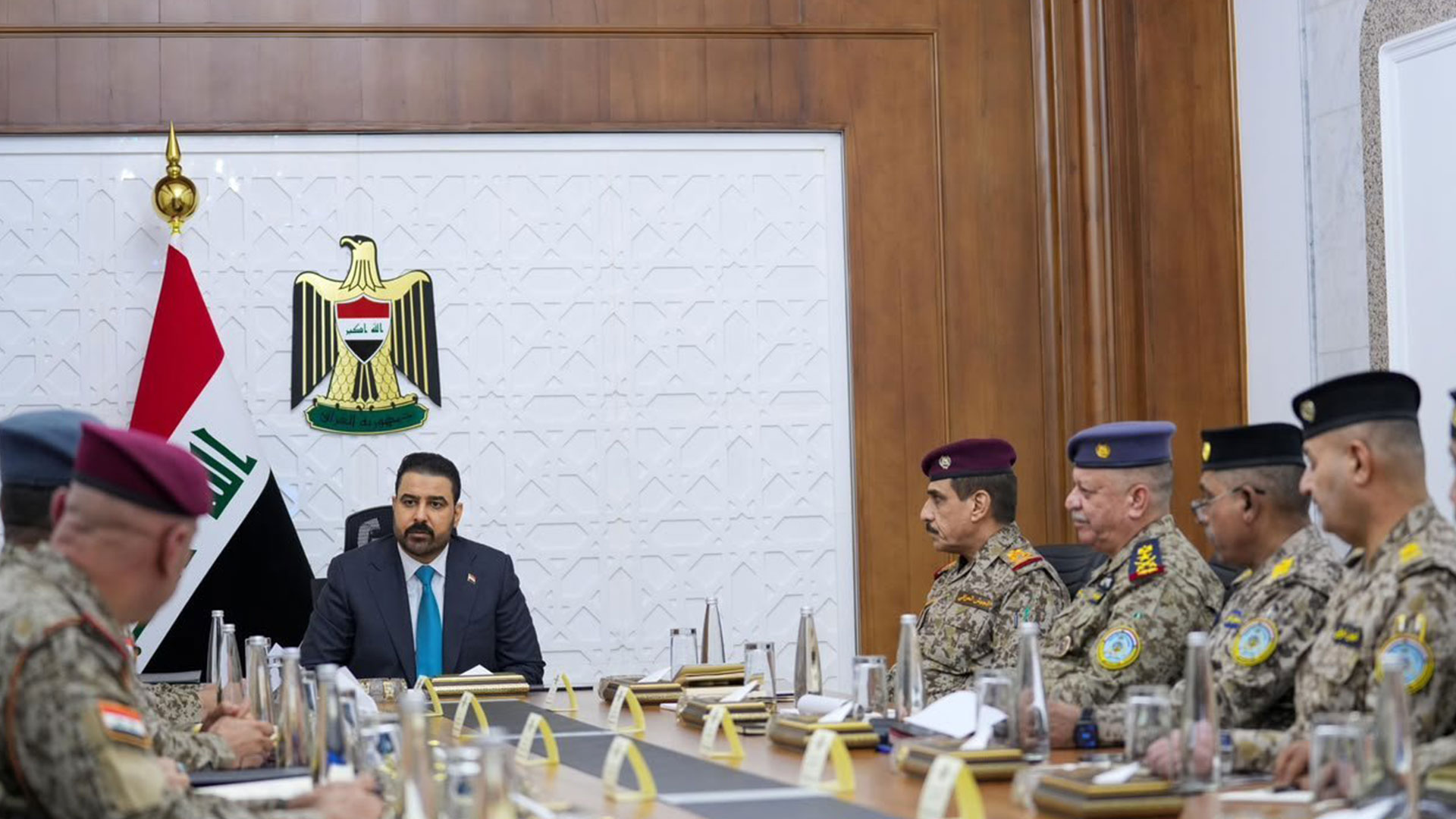
ERBIL (Kurdistan24) – Iraqi Prime Minister and Commander-in-Chief of the Armed Forces Ali al-Zaidi chaired a meeting of the Air Defense Command on Sunday to review the country's air defense plan and discuss measures to strengthen Iraq's ability to protect its airspace.
According to a statement from the Prime Minister's Media Office, the meeting was attended by the Director of the Commander-in-Chief's Office and the Chief of Staff of the Iraqi Army. Discussions focused on developing the Air Defense Command's capabilities, improving force readiness, and reinforcing Iraq's airspace sovereignty.
The meeting also reviewed existing contracts with foreign companies for advanced air defense systems and specialized equipment. Zaidi stressed the urgent need to accelerate the implementation of the contracts and the delivery of the systems, the statement said.
The move is aimed at completing Iraq's integrated air defense network and enhancing the military's ability to monitor and exercise control over the country's airspace.
Iraq has been pursuing a multi-billion-dollar modernization of its air defense capabilities after decades of fragmentation and limited capacity following the 1991 Gulf War. The Air Defense Command currently relies on a combination of legacy, short-range, and modern surveillance systems, while Baghdad is seeking to expand its medium-range and counter-drone capabilities.
Iraq's existing air defense inventory includes Russian Pantsir-S1 gun-missile systems, US-made AN/TWQ-1 Avenger systems, and upgraded Russian Igla-S man-portable air defense systems. The country also operates long-range three-dimensional radars, including France's Thales Ground Master 403, to strengthen its early-warning and aerial surveillance capabilities.
Baghdad has been moving toward a more integrated command-and-control network under the supervision of the Ministry of Defense, with new foreign procurements intended to close critical gaps in its ability to detect, track, and respond to aerial threats.
The latest directive highlights the Iraqi government's effort to accelerate the development of a comprehensive air defense network capable of protecting national airspace and strengthening Iraq's military sovereignty.