Iraq Arrests Former Lawmaker Kazem Sayadi in Extortion Case
Sayadi's arrest follows a judicial warrant as Iraq's sweeping corruption investigation continues to target former officials, lawmakers and political figures.
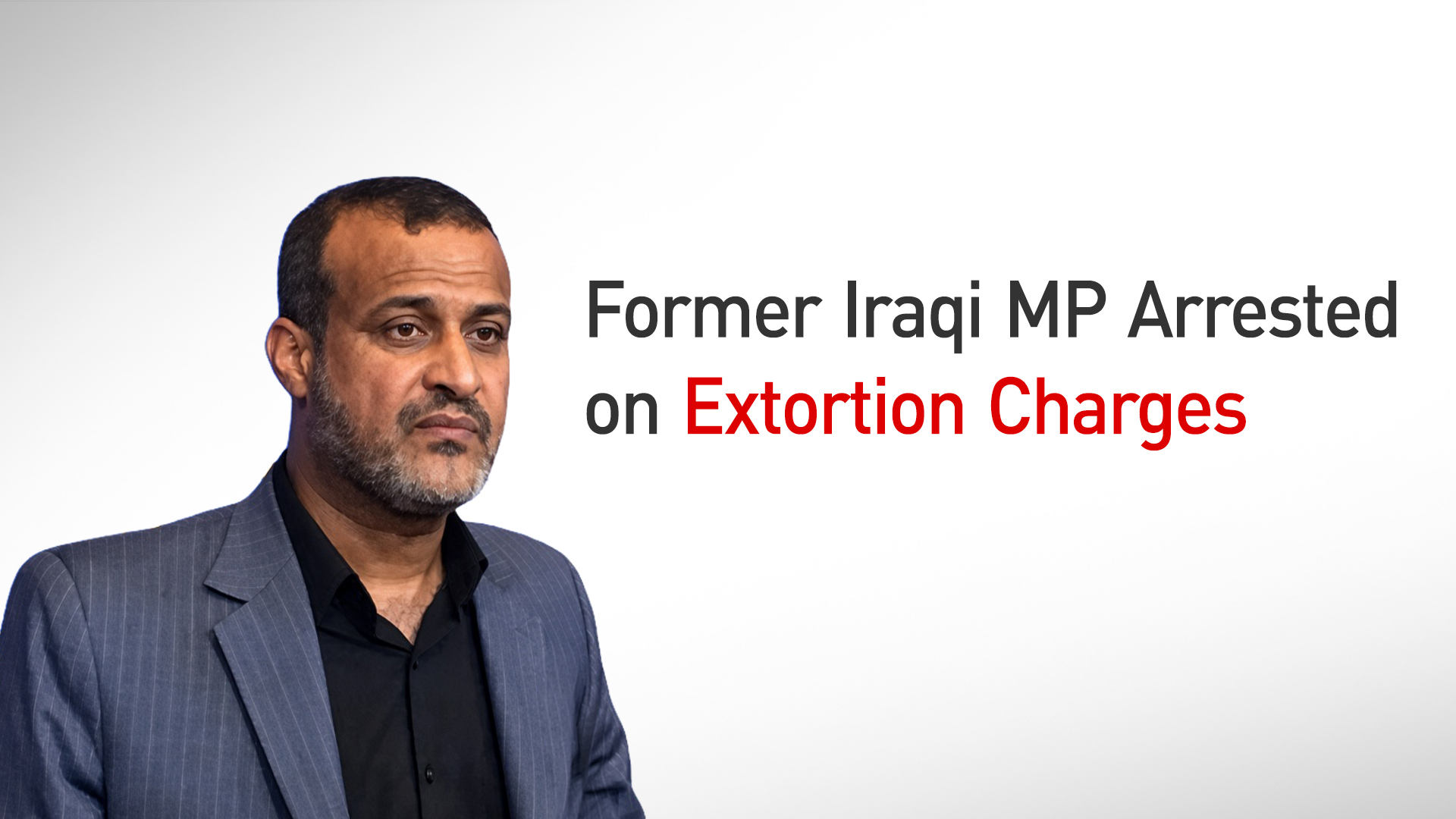
ERBIL (Kurdistan24) - Iraqi security forces have arrested former parliamentarian Kazem Sayadi on allegations of threatening and extortion, according to senior security sources cited by the Iraqi News Agency (INA), as Baghdad's widening anti-corruption campaign continues to reach former officials and political figures.
Sayadi was arrested under a judicial warrant issued by Iraq's Supreme Judicial Council, INA reported. The case is part of a broader investigation launched in June that has already resulted in the arrest of dozens of officials and the seizure of large quantities of cash, gold and other assets.
The allegations against Sayadi have not been adjudicated, and he remains entitled to due process under Iraqi law.
Arrest Follows Judicial Order
According to the sources cited by INA, the former lawmaker was detained after investigators obtained evidence related to allegations of "threatening and extortion."
The judicial warrant marks another step in what Iraqi authorities have described as an expanding campaign against corruption and the abuse of public office.
The investigation has widened considerably since the first major arrests began on June 28, 2026, when Iraqi authorities launched a sweeping operation targeting alleged corruption involving senior officials, lawmakers and political figures.
Sayadi is a former member of the Iraqi parliament and has previously been known for outspoken political statements and allegations concerning corruption and government appointments.
Millions in Cash and Gold Seized
The arrest comes one day after Iraq's Supreme Judicial Council announced another major seizure linked to the corruption investigation.
The Central Investigative Court for Combating Corruption, working with authorities in the Kurdistan Region, seized more than $20.34 million, 200 million Iraqi dinars and 60 kilograms of gold, while seven vehicles were also confiscated.
The assets were seized during an investigation involving Adnan al-Jumaili, Iraq's former deputy minister of oil for refining affairs, and associates, according to the Supreme Judicial Council.
The judiciary said the investigation had traced funds allegedly diverted from public projects.
Authorities are continuing to investigate the case and identify other individuals who may have been involved.
Former Electricity Official Also Investigated
The same day, Iraq's Integrity Commission announced a separate raid on the home of Khalid Ghazi Atiyah, the former deputy minister of electricity for transmission and distribution.
Investigators seized approximately 1.175 billion Iraqi dinars, $5.839 million and seven gold bars, according to the supplied report.
The separate operation highlights the scale of the broader investigation, with authorities pursuing suspected illicit financial holdings and alleged abuse of public resources across several government institutions.
Investigation Expands After Al-Jumaili Arrest
The wider case gained momentum following the arrest of al-Jumaili.
According to the Iraqi authorities, statements and confessions obtained during his interrogation led investigators to the names of dozens of officials and members of Parliament allegedly connected to the theft of public funds.
The judiciary has previously announced the seizure of more than 100 billion Iraqi dinars, tens of millions of dollars and dozens of kilograms of gold as part of the same wider investigation.
The authorities have not disclosed the full identities or precise number of all suspects being investigated.
Baghdad's Anti-Corruption Push
The crackdown represents one of the most significant recent efforts by Iraqi authorities to pursue corruption through coordinated judicial and security operations.
The investigation has moved across several institutions and has involved the judiciary, Integrity Commission and security agencies, with cooperation from authorities in the Kurdistan Region in cases involving financial assets.
The scale of the seizures also underscores the financial dimension of Iraq's corruption problem, where investigators have increasingly focused on unexplained cash holdings, precious metals, public contracts and state resources.
For Baghdad, the challenge now extends beyond securing arrests and confiscating assets. Authorities will need to establish the chain of evidence in each case and ensure that prosecutions withstand judicial scrutiny.
Sayadi's arrest is the latest development in that process.
As the investigation continues, the detention of a former parliamentarian signals that the campaign is reaching beyond serving officials and into the political networks of Iraq's recent past.