Iran's President Claims "The World Approved Our Victory" Over the US
Pezeshkian tells state media the war should end because Tehran has won, as Trump announces the "most crushing economic operation ever" against Iran and demands all allies join a total isolation campaign
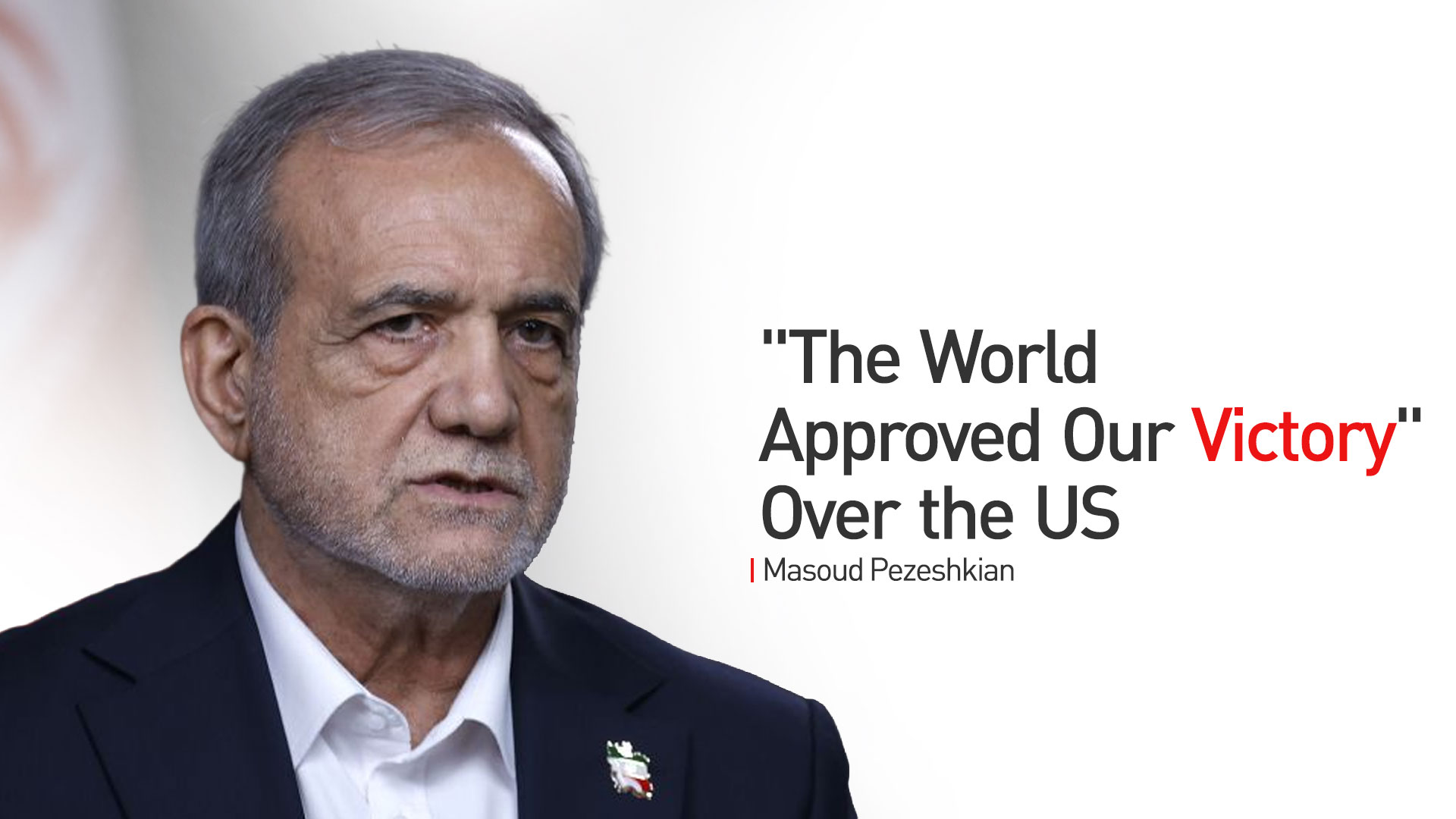
ERBIL (Kurdistan 24) - Iranian President Massoud Pezeshkian declared on Friday that the world has accepted Iran's victory over the United States in the six-month war, saying the conflict should now end on those terms, as President Donald Trump simultaneously announced what he called an "Economic D-Day" against Tehran and demanded all US allies join a total campaign to isolate Iran's economy.
"The entire world approved our victory, and the US is hated," Pezeshkian told state media, according to Iran's state-run IRNA News Agency, as AP reported on Friday. His comments came ahead of new economic sanctions from the US expected next week that Treasury Secretary Scott Bessent has described as unlike anything ever previously imposed on a country in the history of economic isolation.
Trump announced his response on Wednesday on Truth Social, declaring his administration would unleash the "most crushing economic operation ever" against Iran. "Oil smuggling, swap lines, cash transfers, exchange houses, ship registries, front companies-it all needs to stop NOW. You know who you are," Trump wrote. "This will be an ECONOMIC D-DAY, and we need all of our Allies to stand with the United States of America to isolate, and defeat, the Iran threat."
The gap between the two leaders' characterizations of the same conflict is as stark as any in the war's six-month history. Pezeshkian frames the moment as a post-victory wind-down in which an internationally recognized Iranian triumph should produce an end to hostilities on Tehran's terms. Trump frames the same moment as the opening of a new and more devastating phase of economic warfare, one that has already seen the UAE halt all trade and financial transactions with Iran, the US Justice Department charge 17 Iranians with IRGC-directed cyber theft, and the Treasury Department prepare measures described as unprecedented in their scope.
As AP confirmed on Friday, Pezeshkian's "victory" declaration comes as Iran is simultaneously dealing with inflation running at approximately 88 percent, a collapsed largest bank, an economy estimated to have sustained $270 billion in direct and indirect damage from US-Israeli strikes, a naval blockade that has cost Tehran approximately $4.8 billion in oil revenue, and the expiry of the 60-day memorandum of understanding on Sunday, August 16, 2026, without a successor agreement.
The Strait of Hormuz, through which roughly one-fifth of the world's oil normally flows during peacetime, remains effectively closed due to Iranian counterstrikes and the US naval blockade. Iran and Oman have joint jurisdiction over the critical waterway, but Trump has threatened to declare it US territory, posting a map on Truth Social on Tuesday labeling the strait "New US Territory," as Forbes confirmed on the same date.
Iranian Parliament Speaker Mohammad Bagher Ghalibaf had similarly declared Iran victorious on Saturday, telling parliamentary reporters that the US and Israel failed to achieve any of their nine declared war objectives. He called the memorandum of understanding a "document of pride and victory," a characterization Trump has consistently rejected, describing the same agreement as effectively representing Iran's capitulation.
Whether Pezeshkian's victory declaration reflects a genuine Iranian reading of the conflict's outcome, a domestic political narrative designed to manage public expectations ahead of the incoming economic measures, or a negotiating posture intended to extract better terms from Washington in the next round of diplomacy, the declaration does nothing to reduce the pressure that Washington is preparing to apply. Trump's Economic D-Day framing, and Bessent's repeated warnings of unprecedented measures arriving next week, suggest that regardless of how Tehran characterizes the past six months, Washington views the next phase of the conflict as only beginning.