Iranian Lawmaker Threatens Qatar, Kuwait, and UAE Over Hosting US Military Aircraft
IRGC-aligned parliamentarian Ibrahim Rezaei posts warning on X telling the three Gulf states "don't complain later," as data reveals Iran fired more than 5,200 missiles and drones at Gulf states and Israel in a single month
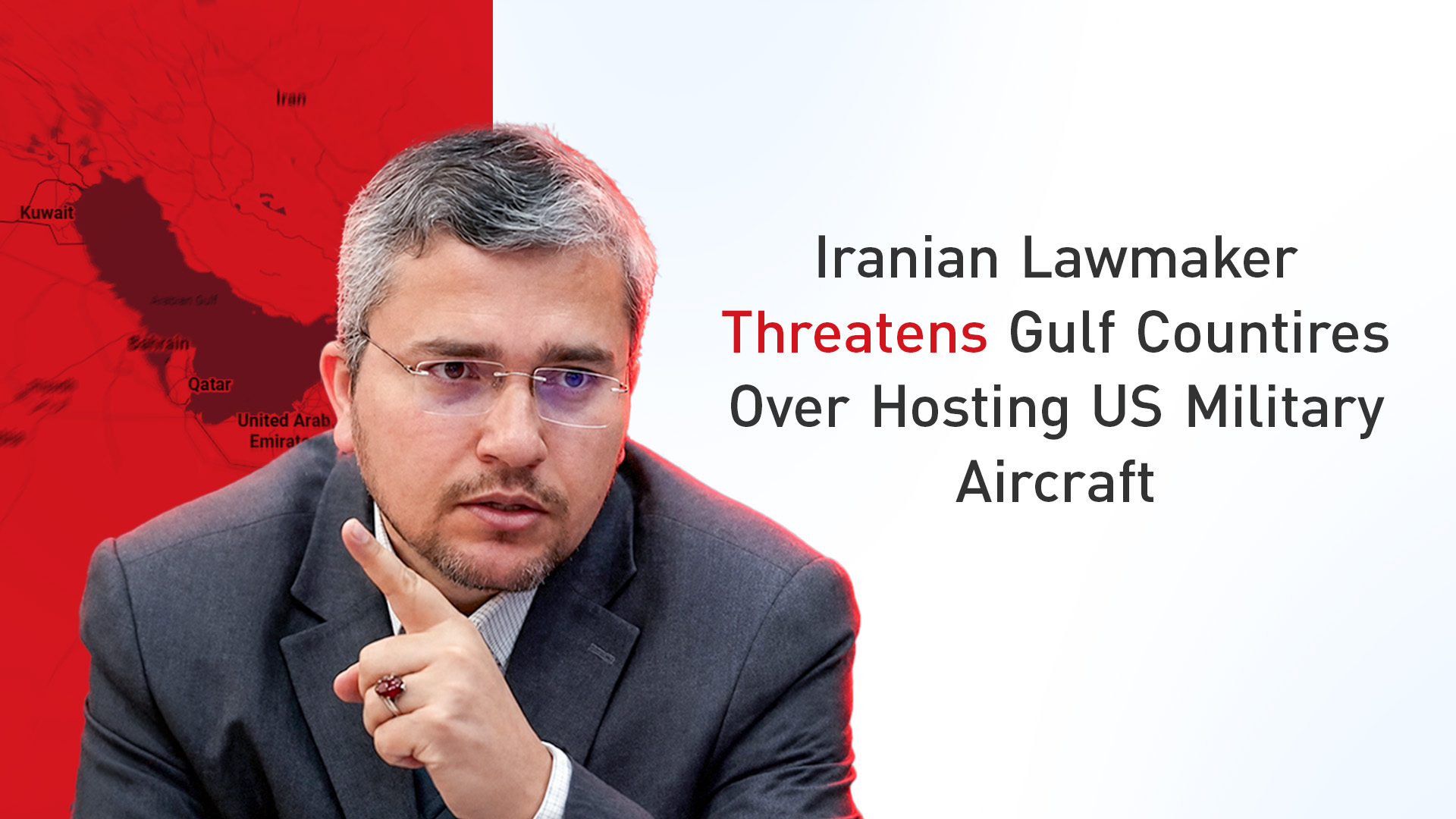
ERBIL (Kurdistan 24) - An Iranian parliamentarian aligned with the Islamic Revolutionary Guard Corps issued a pointed threat on Sunday against Qatar, Kuwait, and the United Arab Emirates, warning the three Gulf states that American fighter jets and fuel delivery aircraft have been stationed at their airports and that they have turned their territory into enemy military positions, adding that they should "not complain later."
Ibrahim Rezaei, a member of the Iranian parliament's Security and Defense Committee and a figure closely associated with the IRGC's hardline faction, posted the warning on X on Sunday, writing: "According to information, the enemy's American fighter jets and fuel delivery aircraft are stationed at the airports of Qatar, Kuwait, and the UAE, and they have made their homes into enemy strongholds."
The message was widely read as a direct threat, signaling that if American aircraft launch any fresh strikes against Iranian territory from those three countries' bases, Iran's armed forces will not hold back and will retaliate against Qatar, Kuwait, and the UAE.
The threat arrives as all three countries have already been subjected to sustained Iranian attacks throughout the six-month conflict. According to data cited in the source material, Iran launched more than 5,200 missile and drone attacks against Gulf states and Israel in a single month following the February 28, 2026, US-Israeli strikes on Iran that killed Supreme Leader Ali Khamenei and several senior Islamic Republic military commanders. Of those attacks, 80 percent were directed at Gulf states.
The breakdown of Iranian strikes on Gulf states is stark in its detail. The UAE was struck by 1,914 attack drones and 429 ballistic missiles. Saudi Arabia absorbed 1,006 attack drones and 57 ballistic missiles. Kuwait was hit by 616 attack drones and 309 ballistic missiles. Qatar received 206 attack drones, 90 ballistic missiles, and two fighter jets used in strikes against it. Bahrain was struck by 391 attack drones and 174 ballistic missiles. Oman was hit by 19 attack drones.
The threat from Rezaei comes on an extraordinarily tense day. Iran's Supreme National Security Council Secretary Mohsen Rezaei separately warned on Saturday that Tehran will target the interests of any country helping the United States wage economic warfare against the Islamic Republic, while Iran's President Massoud Pezeshkian declared the world has accepted Tehran's victory over the United States. Washington is simultaneously preparing what Trump described as the "most crushing economic operation ever undertaken" against Iran, with unprecedented sanctions expected imminently.
The UAE, which announced on Tuesday, August 18, 2026, that it has halted all trade, commercial, and financial transactions with Iran until further notice, now faces an explicit parliamentary threat from Tehran. Qatar, which has served throughout the conflict as one of the primary mediating channels between Washington and Tehran, finds itself named alongside Kuwait and the UAE in a military warning from an IRGC-aligned lawmaker. Kuwait, which has absorbed hundreds of Iranian drone and missile attacks throughout the conflict, including a deadly airport strike on June 3, 2026, that killed one person and wounded more than 60, is once again in Tehran's crosshairs.
Rezaei's warning to the three Gulf states, "don't complain later," echoes the language of deterrence that Iranian officials have used throughout the conflict to signal their intention to hold American-allied regional hosts accountable for any military operations conducted from their territory against Iranian targets.