Iraq Retains Graham Arnold After Historic World Cup Return
Graham Arnold has extended his Iraq coaching contract through the 2027 Asian Cup after guiding the Iraqi national team back to the World Cup after 40 years.
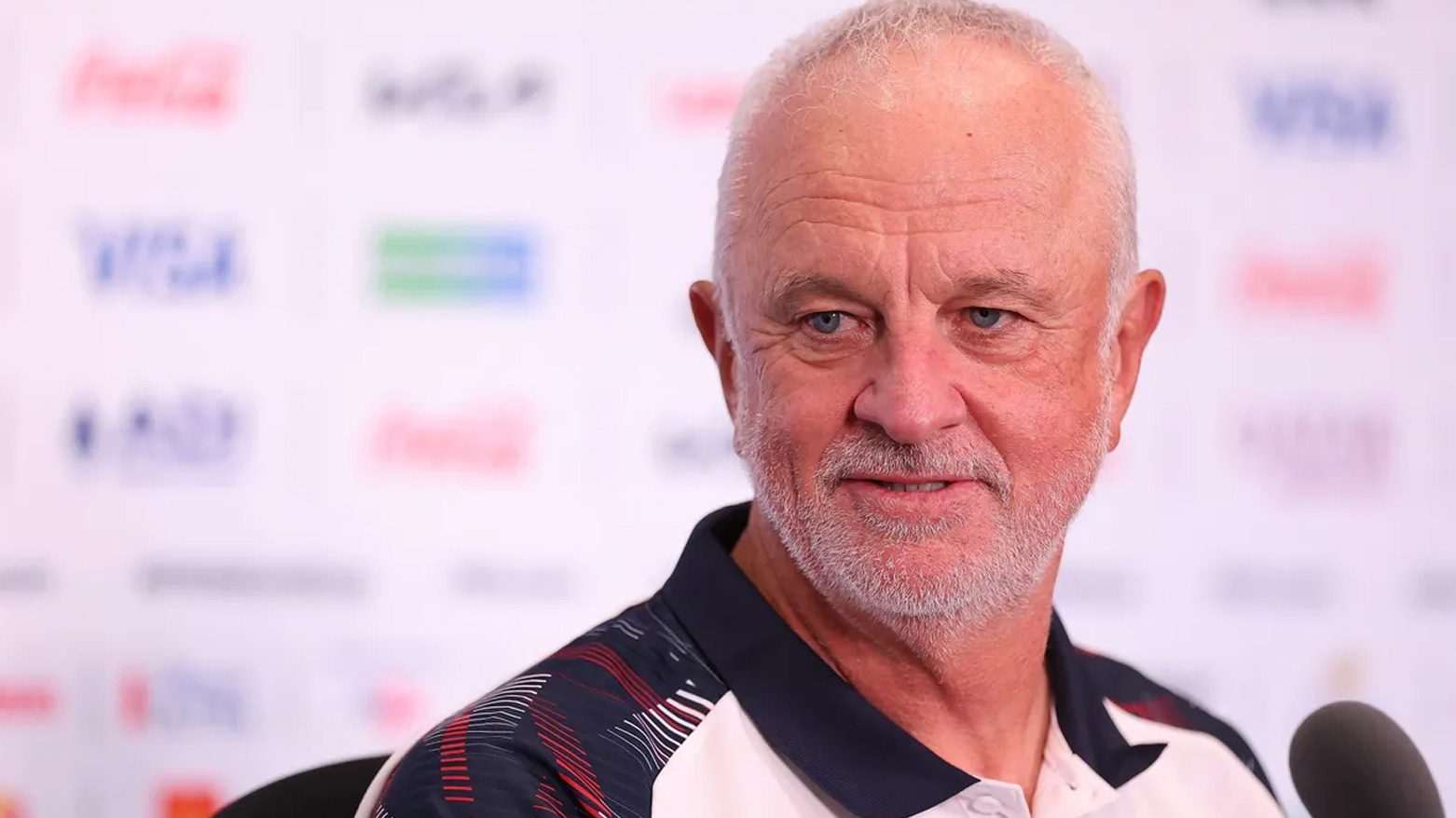
ERBIL (Kurdistan24) - Graham Arnold has extended his contract as Iraq's national football coach through the 2027 AFC Asian Cup, choosing a six-month renewal after guiding the country back to the FIFA World Cup for the first time in four decades.
The 63-year-old former Australia coach said the Iraq Football Association had offered him a four-year agreement, but he opted for the shorter extension as the national team turns its attention from this summer's World Cup to the Gulf Cup and Asian Cup.
"I have renewed my contract for six months and this decision is in my best interest and in the best interest of the Iraq national team," Arnold told a news conference in Baghdad on Monday, according to The Associated Press.
Arnold took charge of Iraq in May 2025 and eventually steered the team through a difficult qualification campaign and an intercontinental playoff to secure the 48th and final place at the 2026 World Cup.
The qualification ended Iraq's 40-year absence from football's biggest tournament and came despite serious logistical difficulties created by conflict across the Middle East.
World Cup experience shapes next phase
Iraq's return ended in the group stage, with defeats against Norway, France and Senegal in June.
The results brought no points, but the tournament gave a new generation of Iraqi players experience against some of world football's biggest names, including France star Kylian Mbappé and Norway striker Erling Haaland.
The squad also carried particular significance for the Kurdistan Region.
As Kurdistan24 reported during the World Cup, Iraq's team included a notable group of Kurdish and Kurdistani players, including Viktoria Plzeň defender Merchas Doski, Erbil SC product Akam Hashim and Venezia forward Marko Farji.
Youssef Amyn, whose family roots trace to Darbandikhan, has also emerged as part of the broader generation of players with Kurdish connections competing at international level after previously representing Germany in youth football.
Their presence added a distinct layer of meaning to Iraq's World Cup return, particularly for supporters in the Kurdistan Region, where the national team's qualification was followed closely after four decades away from the tournament.
Kurdistan24's previous reporting also highlighted the wider rise of Kurdish players on football's global stage, including Germany international Deniz Undav, who became the first player of Kurdish heritage to score at a World Cup during Germany's tournament campaign.
Read More: When Germany Scored, the 'Govend' Began: Kurdish Joy Colors World Cup Victory Over Curaçao
Asian Cup now the priority
Arnold has already shifted his attention toward refreshing Iraq's squad before the next major competitions.
"I returned early to watch and identify new players ahead of the Gulf Cup and Asian Cup and to build the team for the future," he said. "You will see new faces in the next phase."
Iraq's preparations will begin with the regional Gulf Cup in September before attention turns to the Asian Cup in Saudi Arabia in January.
Iraq has been drawn alongside Australia, Singapore and Tajikistan in the group stage.
The competition carries considerable historical importance for Iraqi football. Iraq won its only Asian Cup title in 2007, a triumph that became one of the country's most celebrated sporting achievements.
Arnold's decision to accept only a six-month extension, despite the offer of a longer deal, means his immediate tenure will effectively be judged on how Iraq converts its World Cup experience into the next continental campaign.
After ending the country's 40-year World Cup absence, the task now is less about qualification history and more about building a team capable of competing for results in Asia.
For the Kurdish and Kurdistani players who helped represent Iraq on the global stage this summer, Arnold's promised introduction of "new faces" also signals renewed competition for places as the national team begins its next cycle.