When Germany Scored, the 'Govend' Began: Kurdish Joy Colors World Cup Victory Over Curaçao
By netting a clinical goal and engineering two assists in Germany's 7-1 demolition of Curacao, the Kurdish-German player Deniz Undav became the first footballer of Kurdish heritage to score in World Cup history. His celebration instantly resonated far beyond the stadium walls.
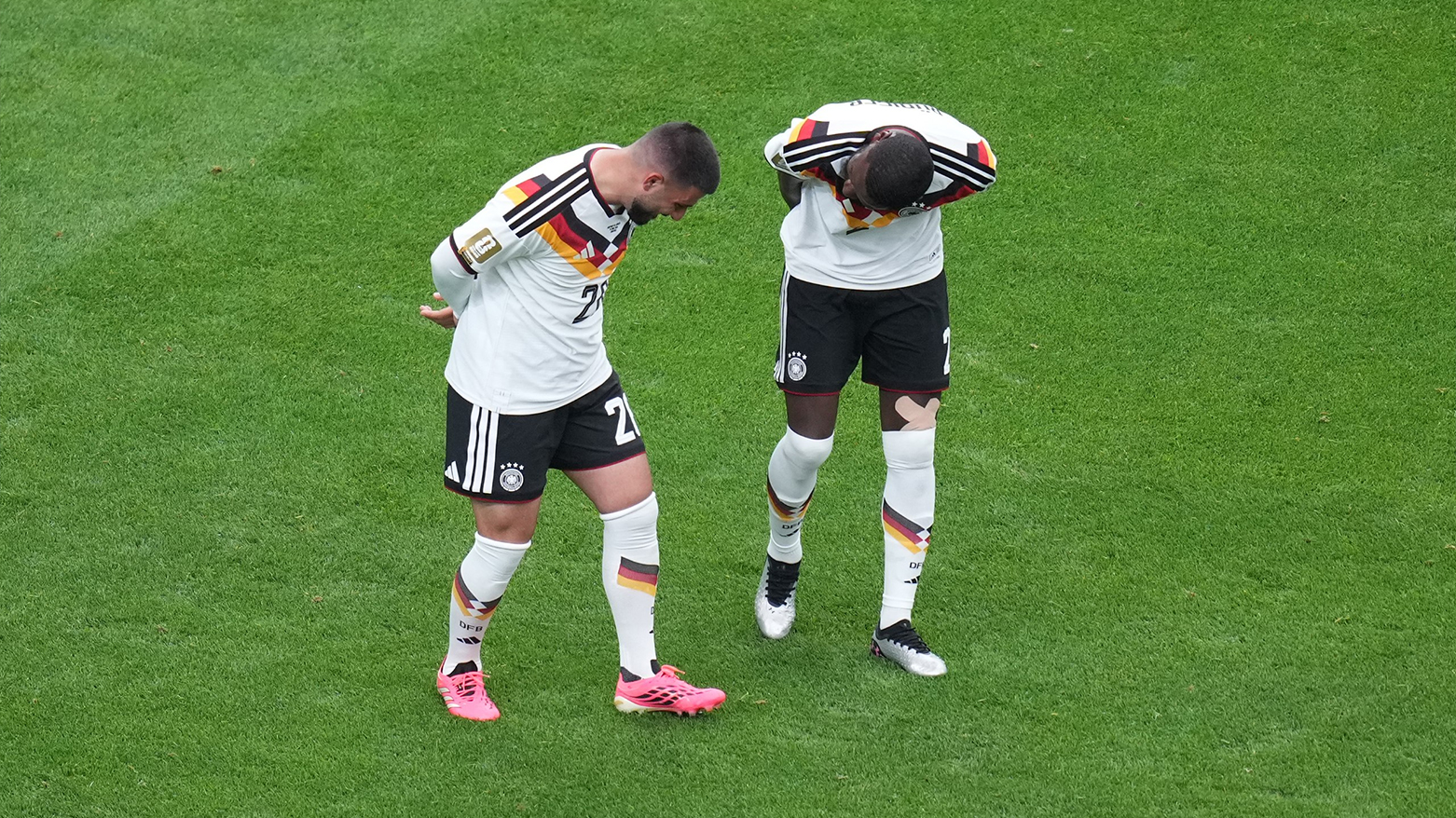
ERBIL (Kurdistan24) - For Kurds, there is a saying: Jiyan bi Kurdî xweş e, meaning life is beautiful the Kurdish way. Few moments have embodied that spirit more vividly than the scene that unfolded at the 2026 FIFA World Cup, when Germany's Deniz Undav celebrated his goal with a traditional govend dance. In an instant, a centuries-old expression of Kurdish identity was broadcast to a global audience, resonating with millions in the Kurdistan Region and across the Kurdish diaspora.
When the German forward stepped onto the pitch at NRG Stadium in the 64th minute, Julian Nagelsmann's squad was already commanding its opening match.
Yet, what occurred over the subsequent 26 minutes transformed a routine group-stage rout into a watershed cultural milestone.
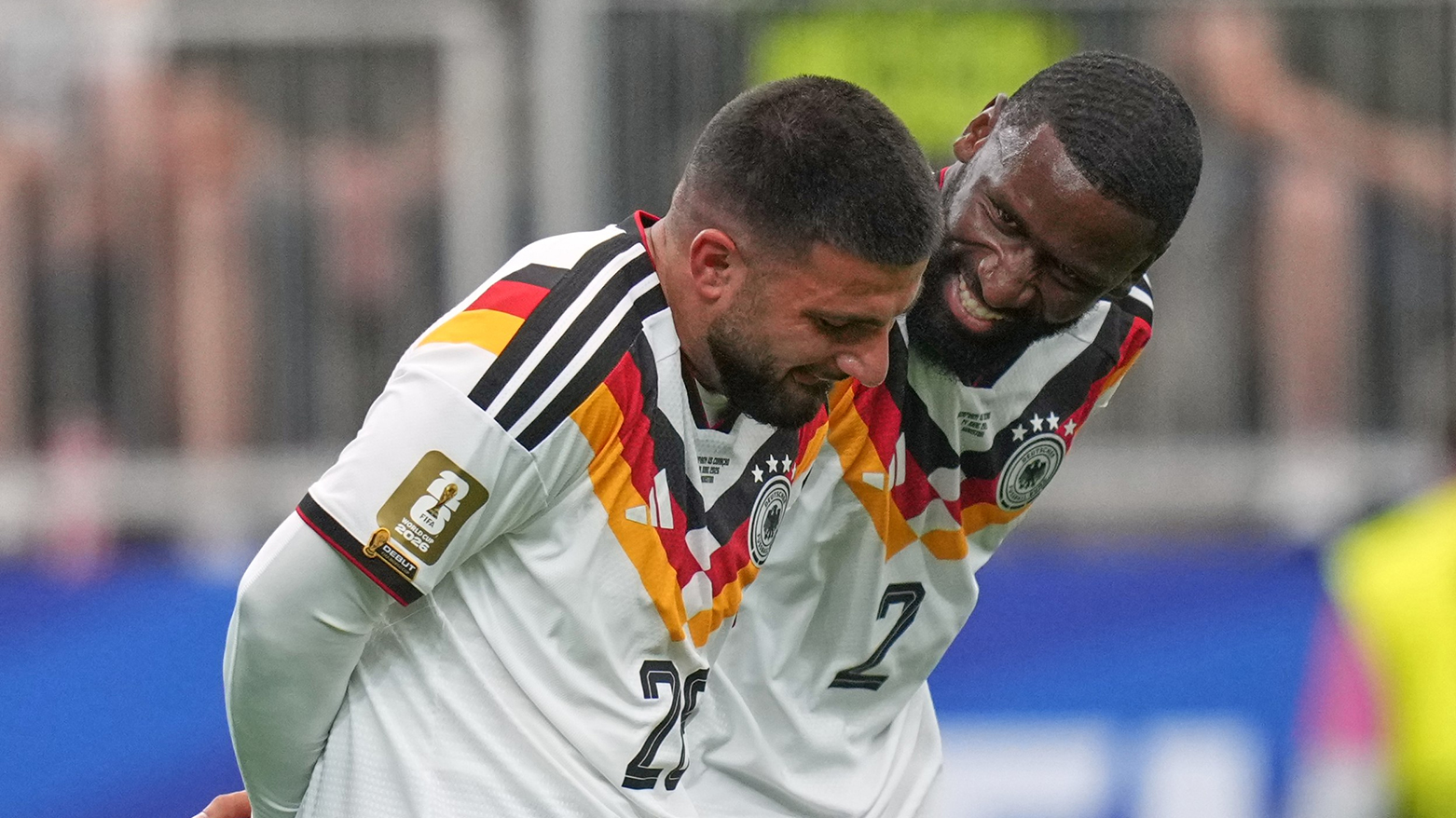
By netting a clinical goal and engineering two assists in Germany's 7-1 demolition of Curacao, Undav became the first footballer of Kurdish heritage to score in World Cup history.
His celebration instantly resonated far beyond the stadium walls.
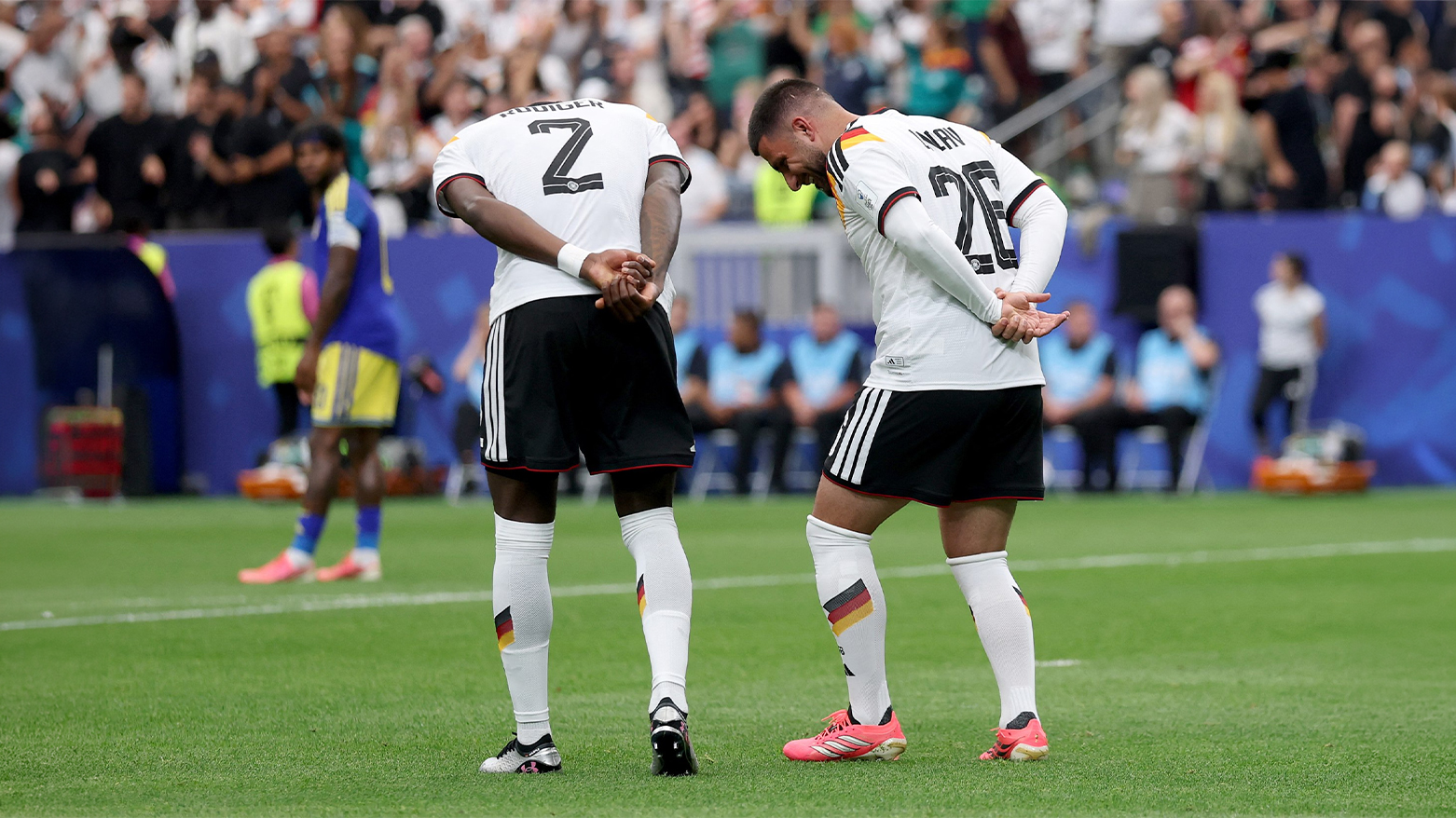
Pivoting toward the corner flag to perform the govend, characterized by its rhythmic steps and linked hands, Undav offered an unapologetic assertion of identity. For a stateless nation without an independent FIFA-recognized team, the World Cup has historically been an event watched from the periphery.
Undav dissolved those boundaries, bringing an electric new dimension to the tournament.
This historic moment arrives amidst an unprecedented surge of Kurdish visibility in international football.
According to a recent report by the Kurdistan Regional Government (KRG) Representation in the United States, titled "Iraq Returns to the FIFA World Cup, with Kurdish Players Helping Lead a New Generation," the tournament marks a profound shift.
The report highlights Iraq's emotional return to the global stage after a 40-year hiatus, noting that the country's roster is anchored by a talented cohort of Kurdish and Kurdistani athletes.
Players like Viktoria Plzeň defender Merchas Doski, Erbil SC homegrown talent Akam Hashim, and Venezia forward Marko Farji carry the hopes of Iraq in Group I.
Undav, meanwhile, represents the parallel narrative of the Kurdish diaspora within elite European football.
Born in Germany to Kurdish parents, his trajectory exemplifies how diaspora athletes are reshaping the international game. As the KRG report noted, the presence of these athletes adds a layer of profound cultural meaning to the tournament, reflecting resilience and the borderless power of football.
The match itself, documented by international media including Agence France-Presse (AFP), began with unexpected drama.
Curacao, the smallest nation by population ever to qualify for a World Cup, stunned the four-time winners when Livano Comenencia scored an early equalizer, securing a historic first tournament goal for the Caribbean nation of 160,000 people.
However, the German side quickly reasserted control. Felix Nmecha opened the scoring, and Kai Havertz found the net in each half, including a successful penalty conversion.
Despite Germany's formidable history, the national team has struggled in recent editions; this emphatic victory marked their strongest debut performance since their championship run in 2014.
As AFP reporter Rob Woollard noted, Nagelsmann expressed satisfaction with the seven-goal display, emphasizing the importance of a winning start.
Yet it was Undav's late-game masterclass that provided the tactical finality. Entering as a substitute, he injected lethal creativity into the final third, setting up two goals with precise distribution before claiming his own historic piece of the net.
This global visibility is complemented by younger talents charting similar paths.
Youssef Amyn, a 22-year-old winger for AEK Larnaca, previously represented Germany at the youth level before choosing to play for Iraq, tracking his roots back to Darbandikhan.
Whether wearing the white and green of Iraq or the white and black of Germany, this generation is using elite athletics to rewrite the parameters of identity.
The dramatic unfolding of Group E occurred alongside several other high-stakes encounters on a busy day of tournament play.
In Group F, Sweden delivered a swashbuckling 5-1 rout against Tunisia in Monterrey, Mexico. Managed by Graham Potter, the Scandinavian side dismantled their North African opponents courtesy of two goals from Yasin Ayari and individual strikes from Alexander Isak, Viktor Gyokeres, and Mattias Svanberg.
Elsewhere, Japan clawed back twice to earn a 2-2 draw against the Netherlands in Arlington, Texas, while a 90th-minute winner from Ivory Coast's Amad Diallo sank Ecuador 1-0 in Philadelphia.
For Germany, the 7-1 victory lays down a formidable marker for their tournament ambitions. As Nagelsmann looks to navigate deeper into the competition, Undav's clinical efficiency off the bench presents a compelling case for an expanded role moving forward.
Ultimately, while Germany tracks its progression toward a potential fifth title, the enduring image from Houston remains Undav's celebratory dance, a testament to a changing footballing landscape where the sport's grandest stage increasingly reflects diverse, transnational identities.
|
Summary Deniz Undav's historic World Cup goal and traditional Kurdish dance during Germany's 7-1 rout of Curacao highlighted a major, transformative milestone for global Kurdish representation, aligning perfectly with Iraq's emotional return to the international tournament after a forty-year absence. |