Iraq Says Coalition Forces Have Begun Withdrawal Ahead of Sept. 30
Iraq says Coalition forces have begun withdrawing from military bases, with the process set to conclude on Sept. 30, designated as Sovereignty Day.
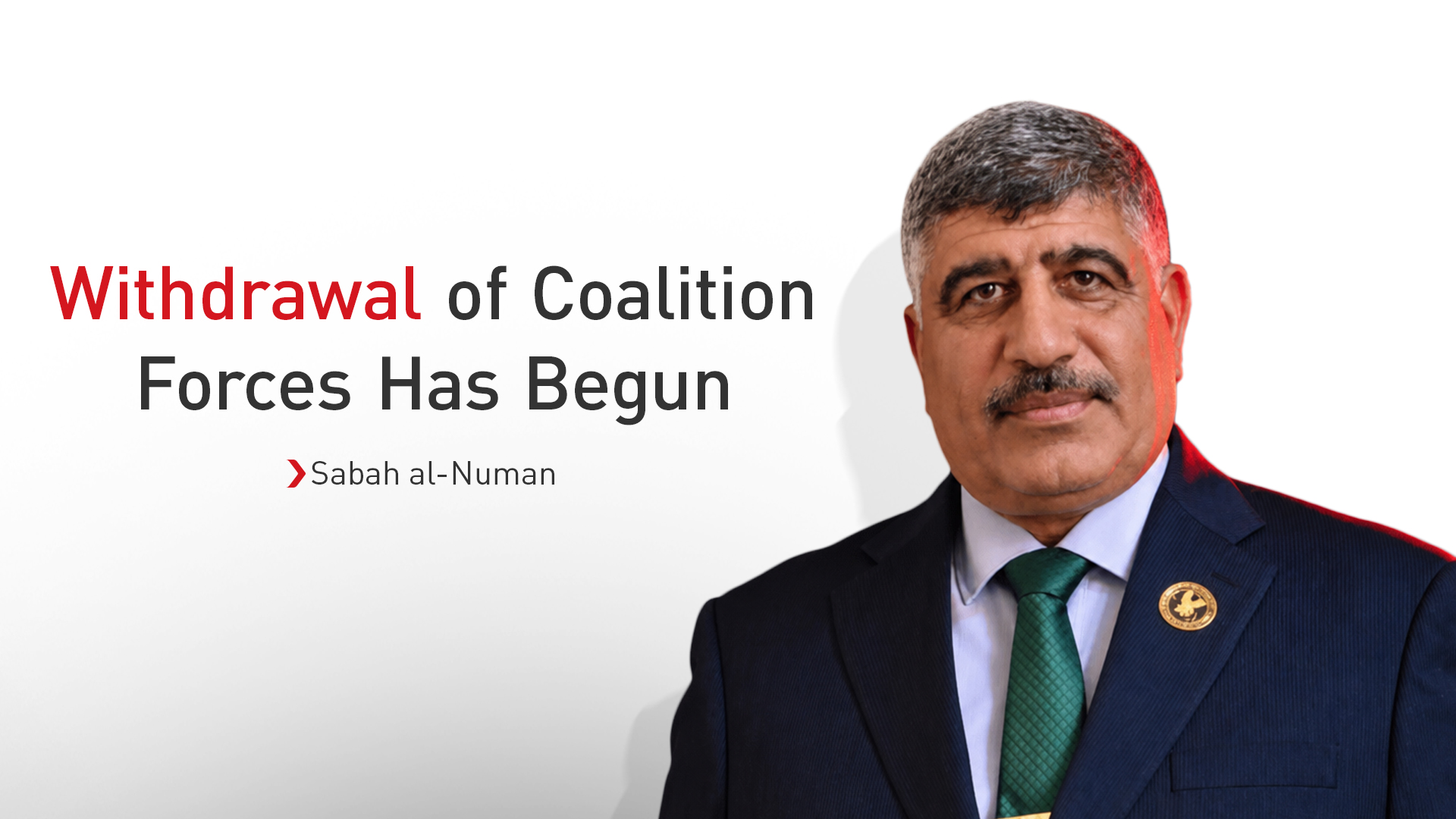
ERBIL (Kurdistan24) - International Coalition forces have begun their coordinated withdrawal from military bases in Iraq, with the process scheduled to conclude by Sept. 30, the spokesperson for the commander-in-chief of the Iraqi Armed Forces said Thursday, describing the departure as part of Baghdad's transition toward full responsibility for national security and sovereignty.
Sabah al-Numan told a press conference on Aug. 27 that forces were leaving gradually under an agreement developed through Iraqi security committees and government institutions.
"The forces are gradually withdrawing from their bases, and the process will continue until Sept. 30, which has been designated Iraq's Sovereignty Day and a national day," al-Numan said.
He described the withdrawal process as professional and based on agreed security arrangements rather than political considerations.
The announcement provides confirmation that the timetable outlined earlier by Prime Minister Ali Falih al-Zaidi has moved into implementation.
Al-Zaidi said Monday that Coalition forces would leave Iraq on Sept. 30, presenting the date as the completion of the country's formal sovereignty over its territory.
For Baghdad, the departure is increasingly being presented not simply as the end of a foreign military presence, but as the beginning of a new phase in which Iraqi institutions assume exclusive responsibility for security decisions and the legitimate use of armed force.
From coalition presence to bilateral ties
Al-Numan said Iraq intended to transform its relationships with countries participating in the Coalition into long-term bilateral partnerships based on Iraqi interests.
The formulation suggests that the Sept. 30 withdrawal will not necessarily end security cooperation between Baghdad and Coalition member states, but will change the framework under which those relationships operate.
Al-Numan sought to reassure Iraqis about the country's ability to maintain security following the withdrawal, saying national forces had demonstrated their capabilities and could defend Iraq's sovereignty.
He said the government had developed a strategic defense plan emphasizing stronger intelligence operations and preventive deployments intended to disrupt criminal or security threats before they materialize.
Coordination among Iraq's various security institutions would also be strengthened, he said, as authorities seek to reduce the visible militarization of streets and rely increasingly on modern security methods.
Iraqi officials have acknowledged that ISIS has not disappeared completely and that cells and hideouts remain, but have argued that the large-scale military phase of the war against the group has ended and that Iraqi forces are capable of confronting the remaining threat.
Weapons control moves to center stage
The Coalition withdrawal is closely connected to another major security issue confronting Baghdad: the government's attempt to ensure that all weapons remain under state authority.
"The weapons that liberated Iraqi territory from terrorism must remain solely under the state's legal and legitimate authority," al-Numan said.
His remarks echo recent statements by National Security Advisor Qasim al-Araji, who said decisions over war and peace must belong exclusively to the Iraqi state.
Baghdad has been negotiating with armed factions over the future of their weapons, while some groups have historically justified retaining military capabilities by citing the presence of US and Coalition forces.
The Sept. 30 departure could therefore remove one of the principal arguments used by factions resisting greater state control.
At the same time, the issue remains politically sensitive, with the government stressing that any transition should proceed gradually and avoid confrontation.
Prime Minister al-Zaidi has similarly linked the Coalition withdrawal to a broader sovereignty agenda, saying Iraq must not allow its territory to become a launching point for attacks against other countries.
The next month will therefore carry significance beyond the physical departure of international forces.
For Baghdad, Sept. 30 is intended to mark a transition from a security system shaped partly by the post-ISIS international military presence toward one in which Iraqi institutions claim exclusive authority over national defense, weapons and decisions of war and peace.
With the withdrawal now underway, the government's larger test will be whether that declared sovereignty can be translated into effective and unified state control after the final Coalition forces depart.