Iraq Says More Than $1 Billion in Assets Recovered in Anti-Corruption Campaign
Government spokesman says more than 26,000 corruption reports have been submitted to the Integrity Commission as Baghdad vows to continue its “Dawn Raid” campaign
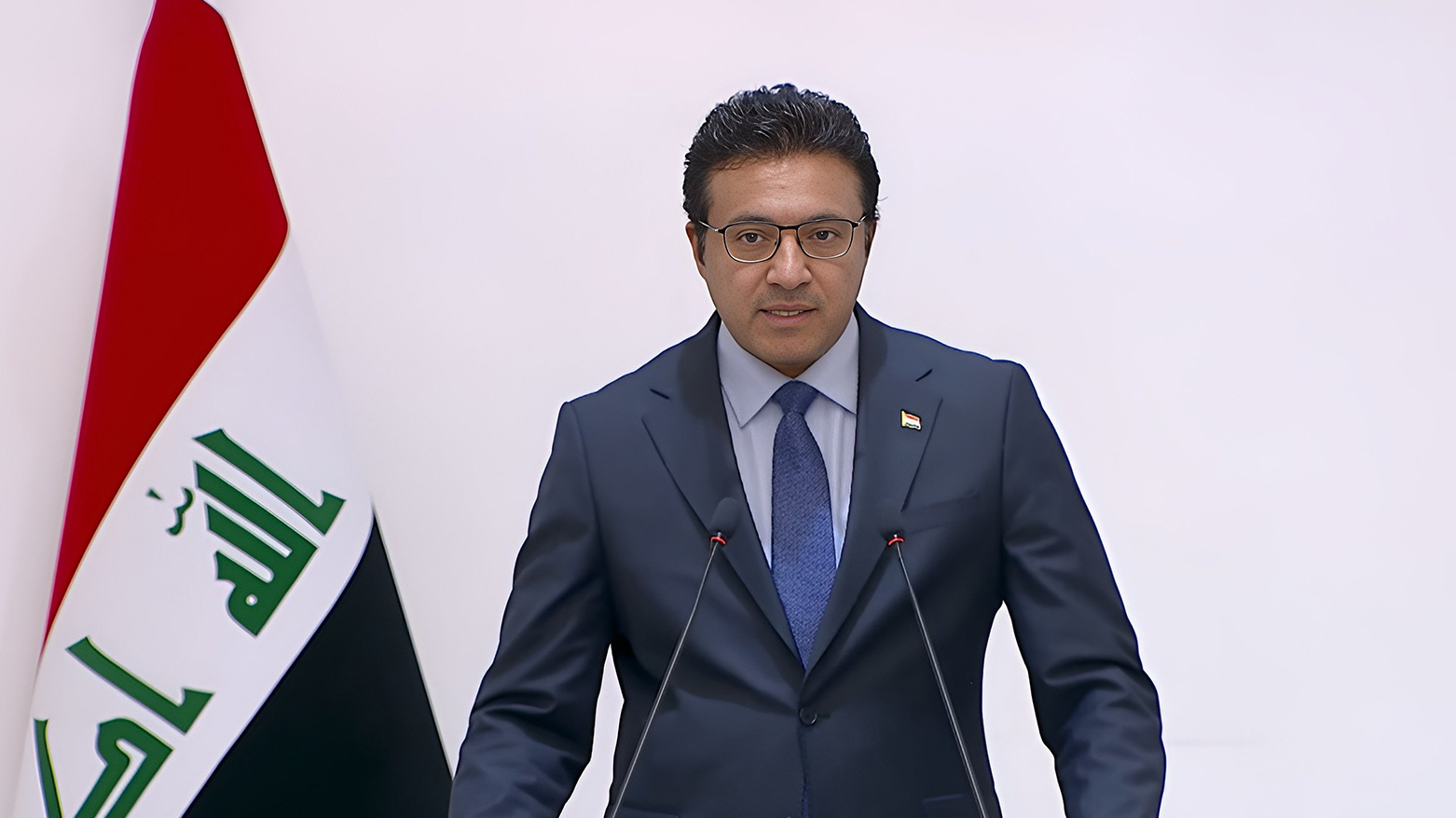
ERBIL (Kurdistan24) — The Iraqi government has recovered money, assets and real estate worth more than 1.359 trillion Iraqi dinars as part of its ongoing anti-corruption campaign, government spokesman Haider al-Aboudi said Saturday, while revealing that more than 26,000 corruption reports have been submitted to the country’s Integrity Commission.
Speaking to Al-Iraqiya news, Aboudi said the recovered assets were secured as part of the government’s “Dawn Raid” (Sawlat al-Fajr) anti-corruption campaign, which Baghdad has presented as a major effort to tackle entrenched corruption and strengthen state institutions.
“The value of what has been recovered in terms of money, assets or real estate as part of the anti-corruption campaign is estimated at more than 1.359 trillion dinars,” Aboudi said, according to the Iraqi News Agency (INA).
He added that more than 26,000 reports of corruption had reached the Integrity Commission, particularly during the period of the Dawn Raid campaign.
Government vows to maintain anti-corruption drive
Aboudi said the government would continue pursuing institutional reforms aimed at closing loopholes that facilitate corruption, stressing that the judiciary remains the principal guarantor for supporting the campaign and ensuring that its objectives are achieved.
He said Prime Minister Ali al-Zaidi’s recent visit to the Integrity Commission demonstrated the government’s full backing for the institution and its procedures, adding that the prime minister is directly following the anti-corruption file.
“Corruption represents an entrenched system linked to networks of money, administration and influence,” Aboudi said, describing the fight against it as a major battle that drains public funds and obstructs development projects.
He stressed that the government’s anti-corruption campaign had not been halted.
Focus shifts to prevention and digitalization
According to Aboudi, the government is increasingly emphasizing preventive measures alongside investigations and prosecutions.
He said Sudani had placed particular emphasis on proactive scrutiny of government contracts as a means of identifying potential corruption before public funds are misused.
Aboudi also highlighted automation and digital transformation as key components of the government’s preventive strategy, arguing that reducing direct human intervention in administrative procedures could limit opportunities for corruption and extortion.
The government has increasingly promoted digitalization as part of broader efforts to modernize Iraq’s public administration, reduce bureaucratic bottlenecks and improve transparency in the management of state resources.
Incentives for corruption whistleblowers
Aboudi also pointed to financial incentives available under Iraq’s whistleblower legislation, saying people who report corruption cases can receive rewards amounting to 5 percent of the value of recovered funds.
The announcement comes as corruption remains one of Iraq’s most persistent governance challenges, with successive governments facing pressure to strengthen oversight, recover public money and hold officials and influential figures accountable.
Iraq’s oil wealth and large public-sector expenditure have historically made the country particularly vulnerable to corruption, while weak institutional controls, bureaucratic complexity and political influence have complicated efforts to ensure effective accountability.
The government’s latest figures indicate that Baghdad is seeking to demonstrate measurable results from its anti-corruption drive, while its emphasis on preventive auditing and digitalization suggests an attempt to address not only individual corruption cases but also the institutional weaknesses that allow corruption to take root.