UAE Air Force Intercepts Iranian Drone, Denies Reports of Missile Strike on Al Menhad Air Base
Abu Dhabi confirms its forces engaged an unmanned aerial vehicle from Iran while simultaneously rejecting media claims that Al Menhad Air Base was targeted by missiles, urging the public to rely on official sources only
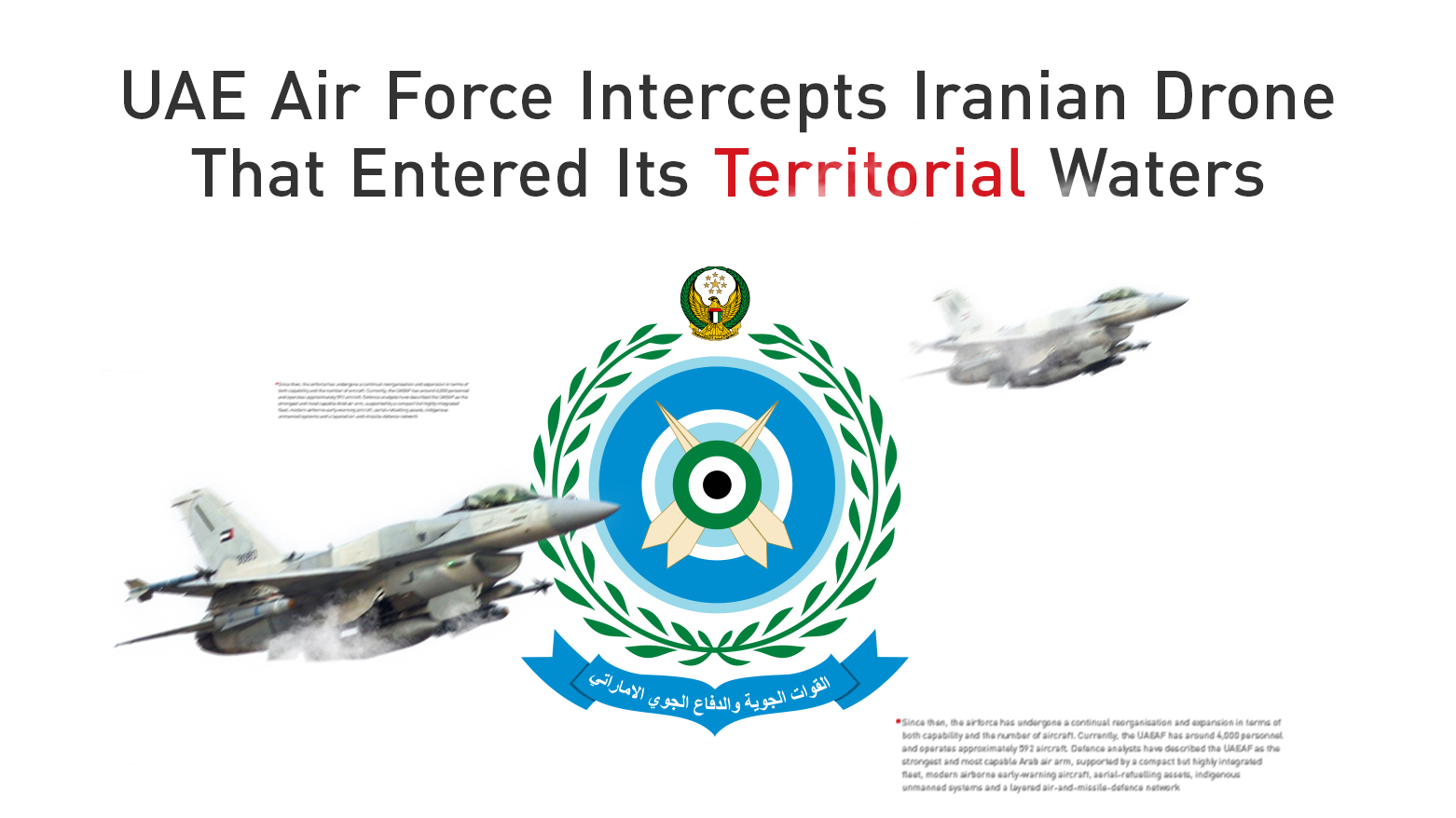
ERBIL (Kurdistan 24) - The United Arab Emirates Ministry of Defense announced on Monday that the UAE Air Force intercepted a drone that had entered the country's territorial waters from the direction of Iran, while separately and firmly denying media reports claiming that Al Menhad Air Base was targeted by missiles, calling such reports false and urging the public to rely exclusively on official sources.
The UAE Defense Ministry confirmed the drone interception in an official statement, saying its air force engaged the unmanned aerial vehicle after it entered UAE territorial waters from Iran. No further details were immediately provided about the drone's type, trajectory, or whether it was destroyed or forced down.
In a separate statement issued on the same day, the Ministry of Defense directly addressed and rejected circulating media reports about an alleged missile strike on Al Menhad Air Base. "The Ministry of Defence has denied media reports claiming that Al Menhad Air Base was targeted by missiles, confirming that such reports are false," the ministry said. "The Ministry affirmed that the Armed Forces remain on a high state of readiness to respond to any threats that may arise, in a manner that safeguards the UAE's sovereignty, security and stability." The ministry also urged the public to rely on official sources for information and to refrain from circulating rumours or inaccurate information.

Al Menhad Air Base, located south of Dubai, hosts both UAE and international military forces and is one of the most significant military installations in the country. The ministry's swift and categorical denial of the missile strike reports signals the seriousness with which Abu Dhabi views the circulation of false information about its military infrastructure at a moment of acute regional tension, when unverified reports of strikes on Gulf military facilities can trigger market panic, shipping disruptions, and diplomatic escalation.
The two announcements together paint a picture of a UAE military establishment operating at high readiness and managing both confirmed aerial threats and a disinformation environment simultaneously. The confirmed drone interception demonstrates that Iranian aerial activity directed at UAE territory continued on Monday. At the same time, the denial of the Al Menhad missile strike reports reflects Abu Dhabi's determination to control the information narrative around its own security situation rather than allow unverified accounts to define the day's events.
The interception comes on one of the most volatile single days of the six-month conflict. On the same day, an oil tanker struck two Iranian naval mines. It caught fire in the Strait of Hormuz after attempting to transit an unauthorized route, directly contradicting President Trump's claim that all Hormuz mines have been cleared. Treasury Secretary Scott Bessent announced that the United States will impose additional Iran sanctions every week. Trump told Fox News that Iran is a "defeated country" and that the US has near-total control of the strait. Iran simultaneously threatened to retaliate against American strikes and target US bases in the region.
The UAE has been one of the most directly exposed Gulf states to Iranian aerial aggression throughout the six-month conflict. According to data compiled during the war, Iran struck the UAE with 1,914 attack drones and 429 ballistic missiles during the conflict's most intense phase. Iran also fired two ballistic missiles toward the UAE earlier in August 2026, which the Defense Ministry said were aimed at maritime traffic and fell into the sea.
The interception of Monday's drone is particularly significant given the UAE's announcement on August 18, 2026, that it has halted all trade, commercial exchanges, and financial transactions with Iran until further notice. Iran's IRGC-aligned parliamentarian Ibrahim Rezaei had explicitly threatened Qatar, Kuwait, and the UAE on August 23, warning that their airports host American military aircraft and that they should "not complain later." Monday's drone interception confirms that the threat was not merely rhetorical.