Saudi Arabia’s Bahri Says Two Filipino Sailors Killed in Strait of Hormuz Attack
Two crew members died aboard the Saudi tanker SIDR after unidentified projectiles struck vessels in the strategic waterway, as Iran and the United States escalate their confrontation across the Gulf
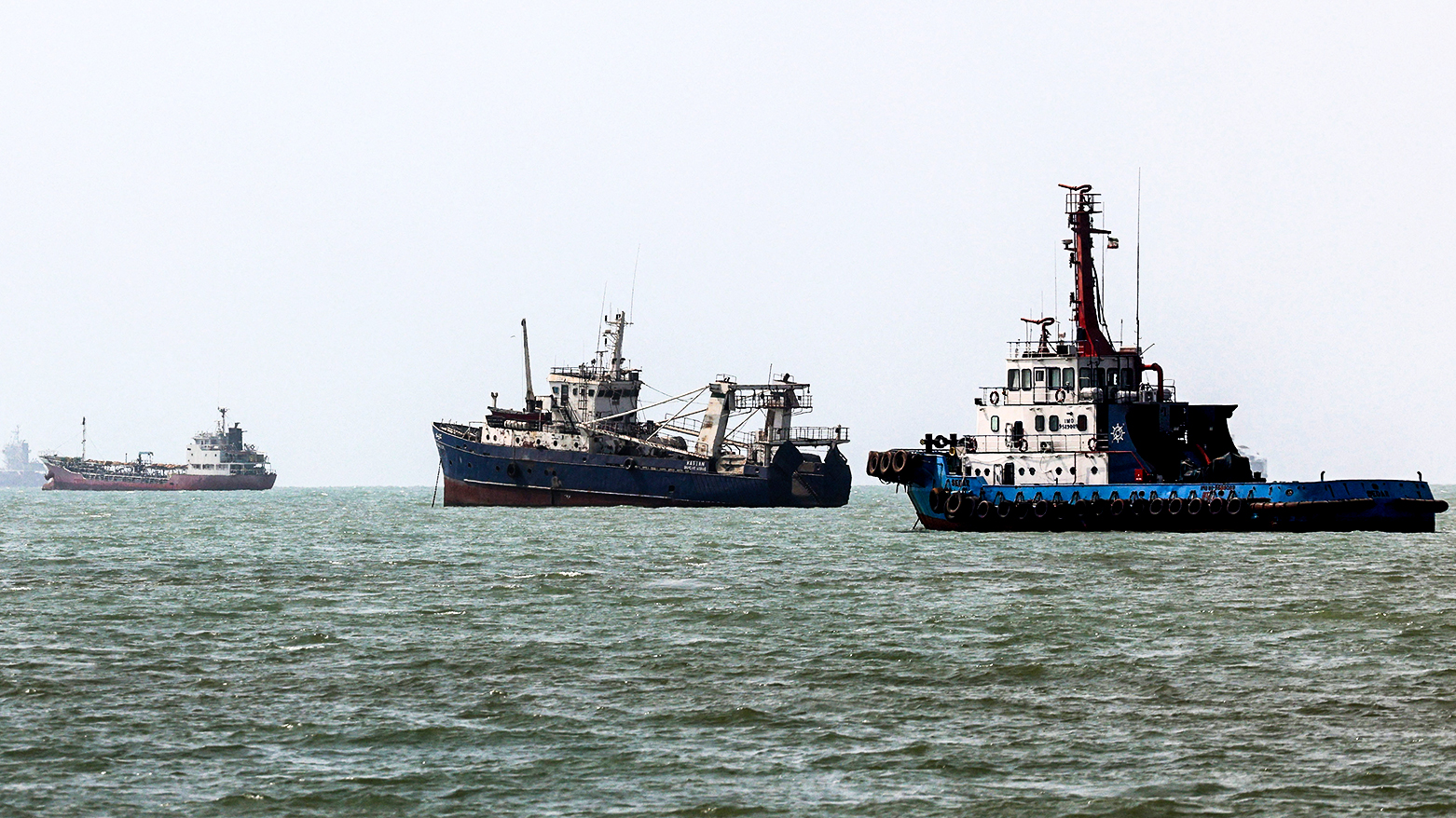
ERBIL (Kurdistan24) — Two Filipino sailors were killed when a Saudi oil tanker came under attack while transiting the Strait of Hormuz earlier this week, Saudi Arabia’s national shipping company Bahri said Wednesday, as Iran claimed two tankers had caught fire after striking mines in the strategic waterway.
Bahri said its vessel, the SIDR, was involved in a “security incident” late Monday while passing through the Strait of Hormuz, confirming the deaths of two Filipino seafarers.
“Bahri confirms that its vessel SIDR was involved in a security incident while transiting the Strait of Hormuz” on August 31, the company said on X, confirming “the loss of its two Filipino seafarers.”
A Greek maritime security firm, Marisks, had earlier reported that unidentified projectiles struck two oil tankers in the Strait of Hormuz overnight Monday into Tuesday.
Both vessels had loaded about two million barrels of crude oil at Juaymah on Saudi Arabia’s eastern coast the previous week, according to Kpler data.
The attacks came as fighting between the United States and Iran intensified, with Tehran disrupting maritime traffic through the Strait of Hormuz and Washington maintaining a counter-blockade targeting Iranian ports.
Iran Says Tankers Struck Mines
Iran’s Islamic Revolutionary Guard Corps said Wednesday that two oil tankers caught fire after striking mines while transiting the Strait of Hormuz outside a route designated by Iranian forces.
In a statement, the Revolutionary Guards said the tankers had sought, “at the urging of the US military,” to use what it described as an illegal route through the waterway before striking mines and exploding.
The Guards said the vessels were currently on fire but did not provide details on casualties or identify the tankers.
Iran has said it wants to impose service fees on vessels using the waterway and has previously attacked ships it accused of attempting to circumvent a route preferred by Iranian forces.
The latest incidents mark a sharp escalation in risks to commercial shipping through the strait, which had remained open to unrestricted transit before the current conflict.
US-Iran Confrontation Raises Shipping Risks
The maritime attacks came after the United States renewed strikes against Iran this week, prompting Tehran to retaliate with attacks across the Gulf, primarily targeting US military assets.
After six months of war, Washington and Tehran remain locked in a confrontation, with Iran using its control over the Strait of Hormuz to disrupt maritime traffic while the United States continues its counter-blockade of Iranian ports.
Attacks on commercial vessels in the waterway have previously contributed to the collapse of an April ceasefire between the United States and Iran, underscoring the potential for incidents involving civilian shipping to trigger further escalation.
The Strait of Hormuz is one of the world’s most important energy corridors, carrying a major share of global oil shipments. Any prolonged disruption could have significant consequences for international energy markets and global fuel prices.
The deaths of the two Filipino sailors aboard the Saudi tanker add a deadly human cost to the growing dangers facing commercial vessels navigating the waterway amid the widening US-Iran confrontation.