KRG Moves to Export Wheat Abroad as Part of Effort to Expand Kurdistan’s Agricultural Markets
KRG prepares to begin wheat exports this week after purchasing more than 800,000 tons from farmers and introducing measures to support producers and facilitate access to foreign markets
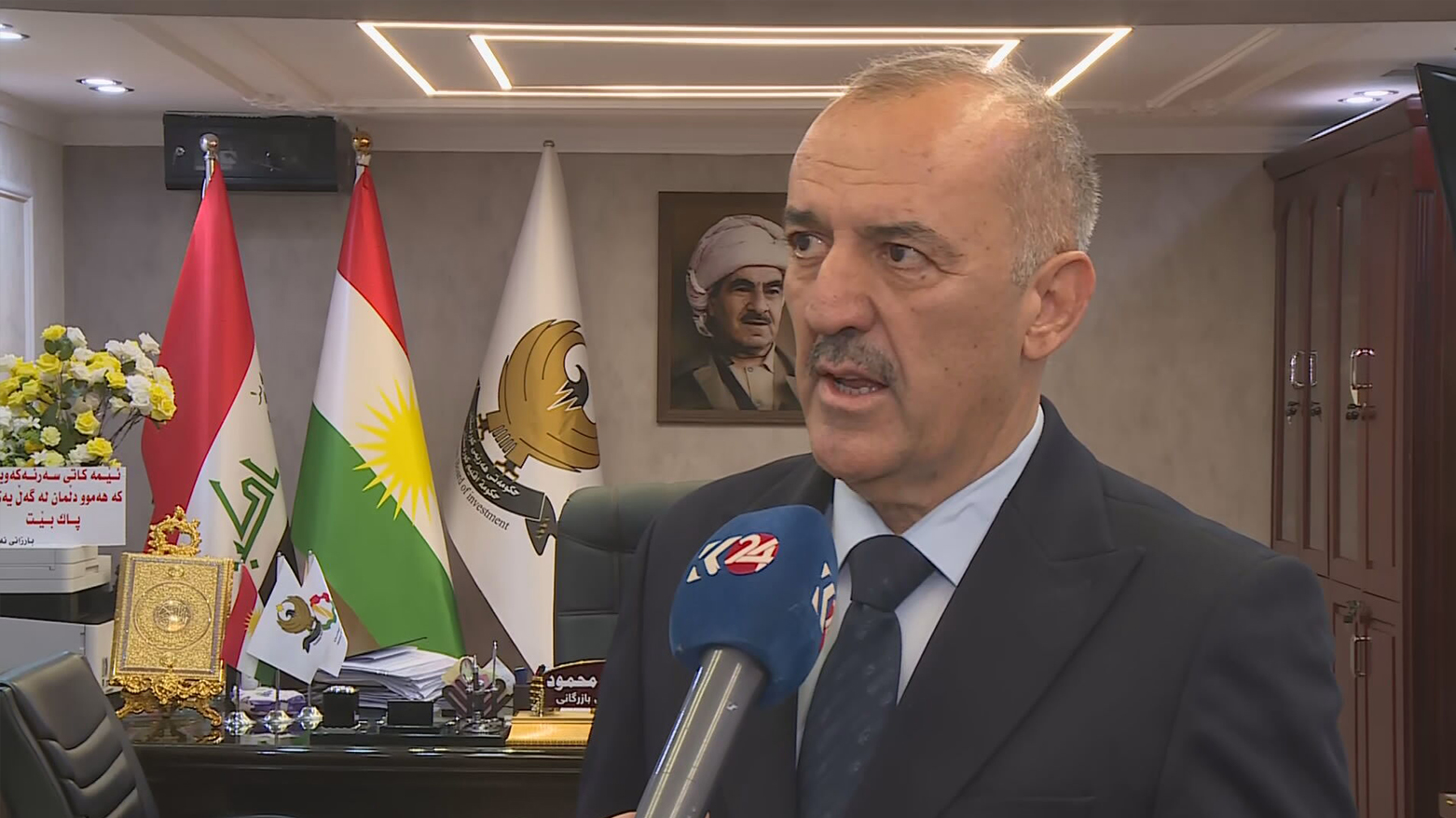
ERBIL (Kurdistan24) — The Kurdistan Regional Government (KRG) is preparing to begin exporting locally produced wheat abroad this week as part of a broader policy aimed at supporting farmers, strengthening local agricultural production, and expanding markets for Kurdistan Region produce.
Nawzad Sheikh Kamil, Director General of Commerce at the KRG, told Kurdistan24 on Sunday that the government has taken a series of administrative measures to protect farmers’ interests and facilitate the marketing and export of wheat produced in the Kurdistan Region.
The measures come after the KRG purchased 387,000 tons of wheat from farmers during the first stage of this year’s procurement process, compared with the 400,000-ton quota allocated to the Region by the Iraqi government. The procurement process began in June and concluded on July 19.
In the second stage, the KRG asked two local companies to purchase wheat remaining with farmers. The companies bought nearly 200,000 tons within one month, helping absorb additional local production and provide farmers with a market for their crops.
KRG Facilitates Wheat Exports
The third stage has focused on opening foreign markets to Kurdistan’s wheat. According to Sheikh Kamil, a high-level committee was formed to facilitate the export process, with 11 companies registering to participate and completing the required administrative and financial procedures.
To encourage more companies to enter the export market, the KRG removed the requirement for a special commercial license and allowed wheat to be transported directly from storage facilities to customs points.
The Kurdistan Region Investment Board has also instructed customs authorities to exempt 245,000 tons of wheat designated for export from customs duties.
The measure is intended to reduce companies’ costs and help locally produced wheat remain competitive in international markets.
Several companies have now completed the required procedures, and wheat exports are expected to begin this week.
The KRG’s immediate objective is to clear the wheat it has purchased from farmers, with more than 800,000 tons of wheat bought across the Kurdistan Region this year.
Expanding Markets for Local Agriculture
The government’s export policy is also aimed at creating a longer-term market for agricultural products produced in the Kurdistan Region.
By introducing locally produced wheat to foreign markets, the KRG seeks to build recognition for Kurdistan’s agricultural products and establish confidence among foreign traders and buyers for future purchases.
The move forms part of the KRG’s wider efforts to strengthen the agricultural sector by providing farmers with markets for their produce while encouraging private companies to participate in the collection, marketing, and export of locally produced crops.
Wheat purchased by local companies from farmers was priced at 400,000 Iraqi dinars per ton. Any wheat that is not exported will be used to meet domestic needs in the Kurdistan Region.
The latest measures mark an effort by the KRG to move beyond supporting agricultural production solely for domestic consumption and develop an export-oriented agricultural sector capable of connecting Kurdistan’s farmers and producers with markets outside Iraq.