Iran Official Vows New Restricted Zone Near Hormuz Strait
Iranian security council chief Mohsen Rezaei warns of a new restricted zone near Hormuz, as Iran's Revolutionary Guard reports arrests over an alleged unrest plot.
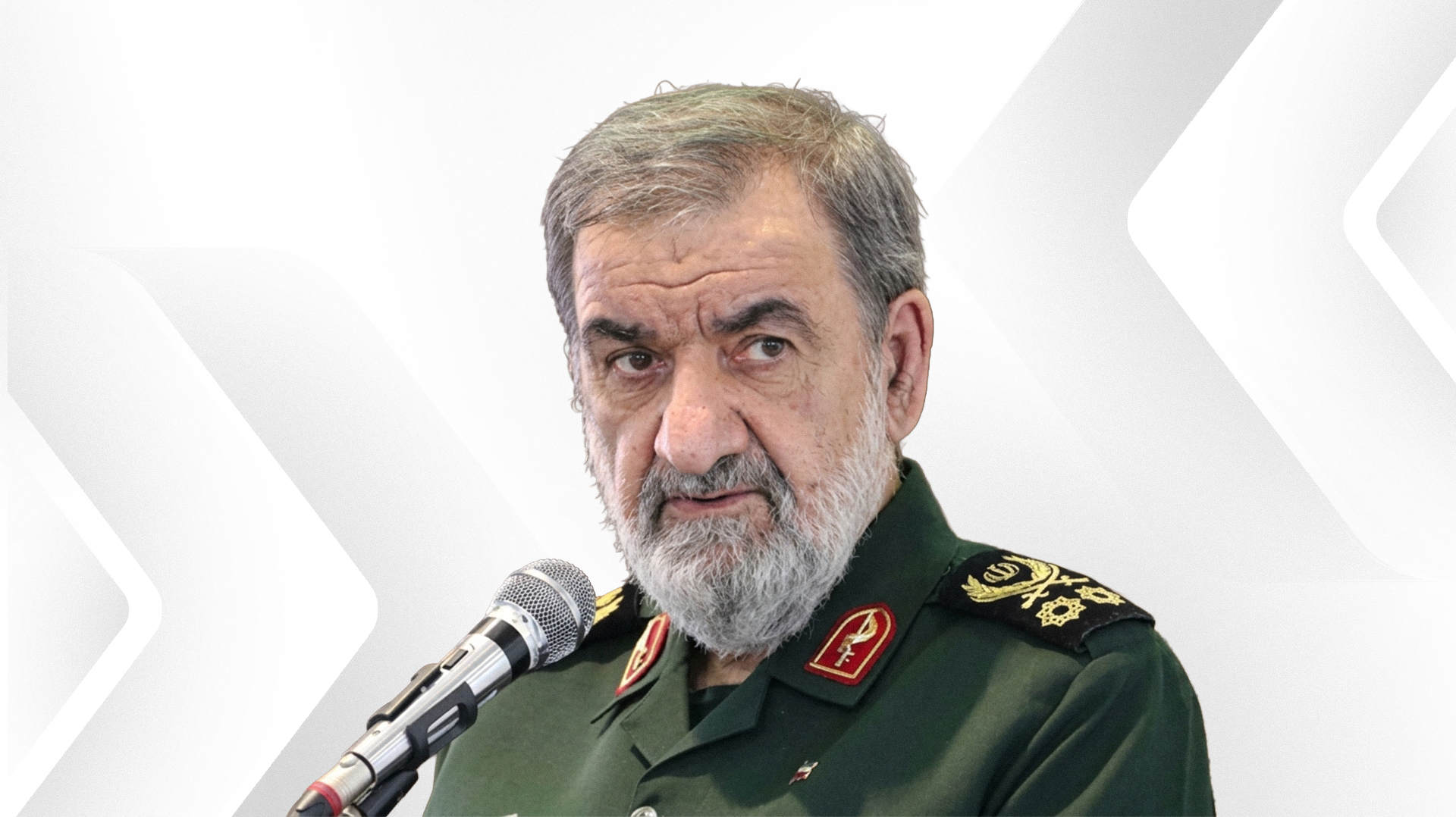
ERBIL (Kurdistan24) - Mohsen Rezaei, secretary of Iran's Supreme National Security Council, said Sunday that Iran would soon declare a new restricted zone outside the Strait of Hormuz, warning that any vessel entering the area without identifying itself would face sanctions, as tensions between Tehran and Washington continued to simmer.
In a televised interview, Rezaei reviewed the history of US-Iran relations and said Iran has no reason to trust Washington, arguing that the United States has pursued every avenue against Iran since its 1979 revolution, from a coup to fueling war and imposing economic sanctions. "For the first time in the history of our conflicts, 48 hours ago we tested a new anti-ship missile against a US warship," Rezaei said. "This was a clear message that they cannot do whatever they want in the region."
He warned that if the United States continues its threats, Iran has the capability to sink American vessels, though he said no such decision has been made because Iran does not want to pollute the maritime environment of the Gulf and the Hormuz Strait with oil and war debris. "But our readiness is complete," he said.
Discussing past US interventions, Rezaei cited the 1953 coup against Iranian Prime Minister Mohammad Mosaddegh and the fate of the shah of Iran. "The Americans did not even show mercy to the 'shah of Iran,' who was their greatest ally — after they used him, they abandoned him," he said. "This proves that America only wants a servant who says 'yes' to whatever it says, but the Iranian people no longer accept that subjugation."
Rezaei also dismissed reports of hunger and food shortages in Iran linked to sanctions, calling such claims "a great lie." He said the government has long planned ahead and stockpiled essential goods, adding: "We have no problem with food security, and our people will not submit to economic pressure."
He said Iran is a peace-seeking country that has not attacked any nation, but added that Tehran would show no hesitation in defending its territorial and maritime sovereignty and would respond firmly to any US action.
Turning to the situation in the Strait of Hormuz, Rezaei said comments by US President Donald Trump regarding the strait's openness were "a great lie." He said the strait previously saw around 100 ships pass through daily, but now sees only seven to eight vessels, mostly carrying goods for Iran's own needs.
Rezaei said Iran would soon announce a restricted zone outside the strait, and that any ship entering the area and identified would be placed on a sanctions list. He said the United States has been attempting to smuggle vessels through for large sums of money, adding that Iran monitors and intercepts such vessels but avoids sinking them to prevent environmental damage to the sea.
Separately, Rezaei said the core problem in negotiations has been a "lack of trust," noting that mediators have been unable to guarantee the implementation of agreements, and said the United States must take practical steps to regain Iran's trust. He also said Iran is working with Oman to establish a new international route to be managed under Iranian oversight.
In a separate development, Iran's Revolutionary Guard announced the arrest of an eight-member armed cell in the southern province of Fars affiliated with a monarchist movement, while security forces in West Azerbaijan province separately reported seizing a quantity of weapons and ammunition.
According to Fars News Agency, citing the Revolutionary Guard, members of the detained cell had links to groups opposed to the government and had planned to obtain weapons with the intent of killing citizens during potential protests.
In a statement, the Revolutionary Guard said the detainees had actively participated in unrest that occurred in Iran between December 2025 and January 2026. They are accused of planning attacks using violence, tire burning, road closures, and damage to public property. The statement did not disclose details about the identities of the detainees or the type of weapons seized, nor did it include any response from the detainees or their legal representatives regarding the allegations. The monarchist movement in Iran is a political movement seeking to overthrow the Islamic Republic and restore the monarchy system that ended after the 1979 revolution.
Separately, Revolutionary Guard-affiliated forces in West Azerbaijan province, in northwestern Iran, announced the seizure of a shipment of weapons and ammunition during a security operation. Iranian media had previously reported the confiscation of weapons and ammunition in that province, including Kalashnikov rifles, ammunition and hand grenades, which Iranian officials said were intended to prevent such weapons from reaching armed groups.
The developments come as Iranian security agencies have tightened measures in a number of provinces, particularly border areas, with officials accusing several groups of attempting armed activity or disrupting domestic security — developments unfolding against the backdrop of continued tensions between Iran and the United States.