Merz: Iran Conflict Has Cost Europe Over €100 Billion
German Chancellor Friedrich Merz says higher energy prices from the Iran conflict have cost Europe over €100 billion in eight months and urges negotiations.
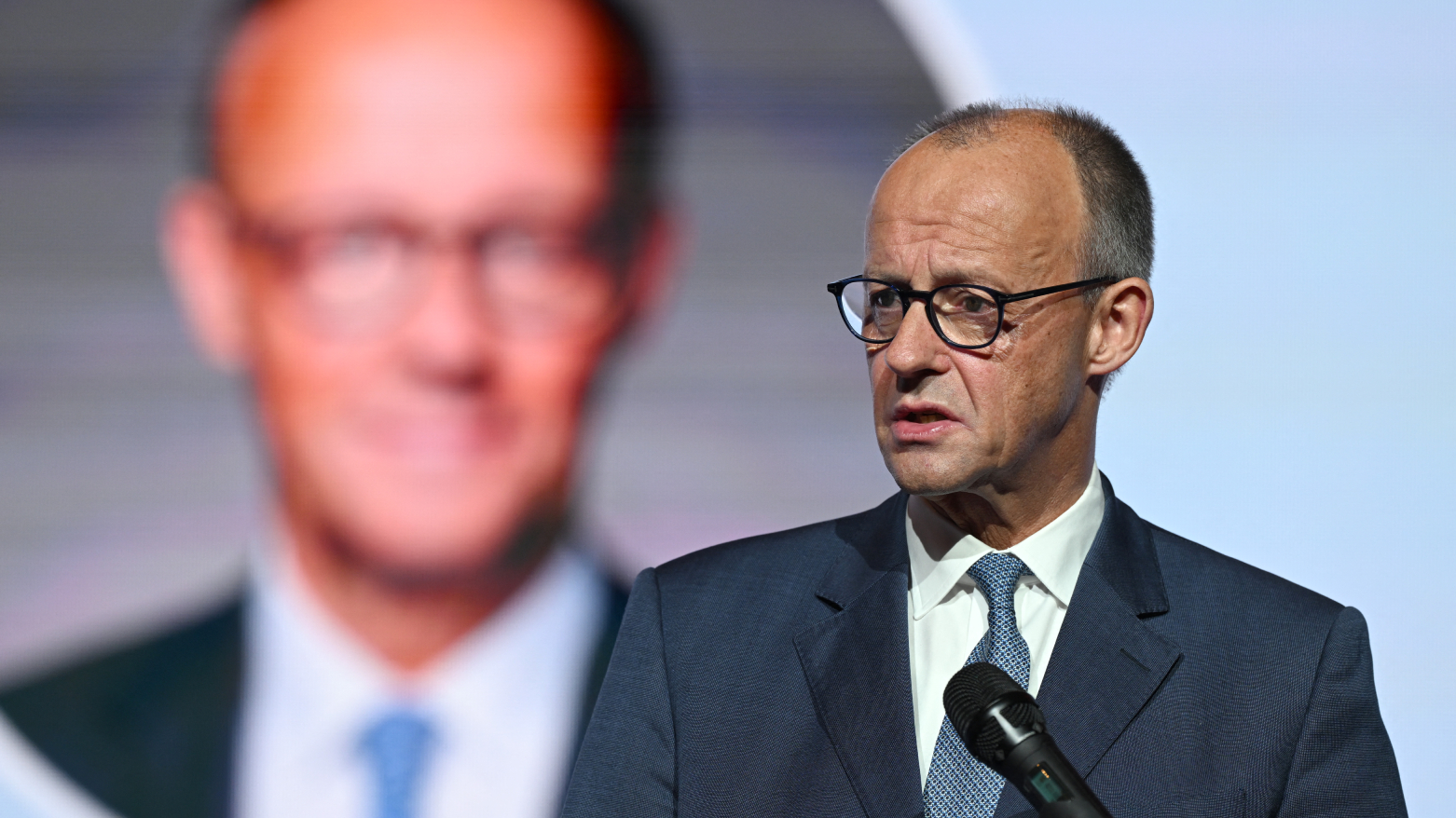
ERBIL (Kurdistan24) - German Chancellor Friedrich Merz said on Friday that the economic fallout from the conflict around Iran has cost Europe more than €100 billion over the past eight months, and he called on all parties to settle the crisis through diplomacy.
Speaking to journalists during a visit to the Republic of Korea, Merz said Germany is working through many channels of coordination and diplomatic effort to bring the conflict to an end as soon as possible.
“It has a large-scale impact on Europe,” Merz said. “Because of this conflict we are already bearing enormous costs: due to higher energy prices alone, Europe’s losses over the past eight months have exceeded €100 billion.”
According to the chancellor, that figure represents how much businesses and consumers in Europe have overpaid because the conflict pushed energy prices higher.
“That is why we also have a direct economic interest in this confrontation ending as quickly as possible,” Merz said. “I can only say to all parties to the conflict: this crisis cannot be resolved militarily, it must be resolved diplomatically, through negotiations.”
Merz explained that his words apply to Israel as well, including its reelected or possibly new government. “This conflict has no military solution,” he repeated, adding that Germany is ready to assist the peace process using its diplomatic contacts in the Middle East.
The United States and Israel launched a military operation against Iran on Feb. 28. In June, Washington and Tehran signed a memorandum of understanding providing for an immediate cessation of hostilities on all fronts, including in Lebanon.
On the night of July 8, however, the United States resumed large-scale strikes on Iran, accusing it of violating the terms of the agreements related to the Strait of Hormuz.
Approximately 25% of the world’s oil trade volumes and about 20% of liquefied natural gas are transported through the strait.
The US administration then effectively signaled an end to the use of large-scale military force against Iran and a shift toward an attempt to pressure it economically through sanctions.
With Berlin offering its diplomatic contacts and Europe counting the cost of higher energy prices, Merz’s appeal places negotiations at the center of efforts to end the crisis.