33 Iraqi Migrants to Return to Erbil from Libya
Ahmed al-Sahaf, Chargé d’Affaires of the Iraqi Embassy in Libya, said the return arrangements were finalized in coordination with Iraq’s Ministry of Foreign Affairs and the Kurdistan Region’s Department of Foreign Relations.
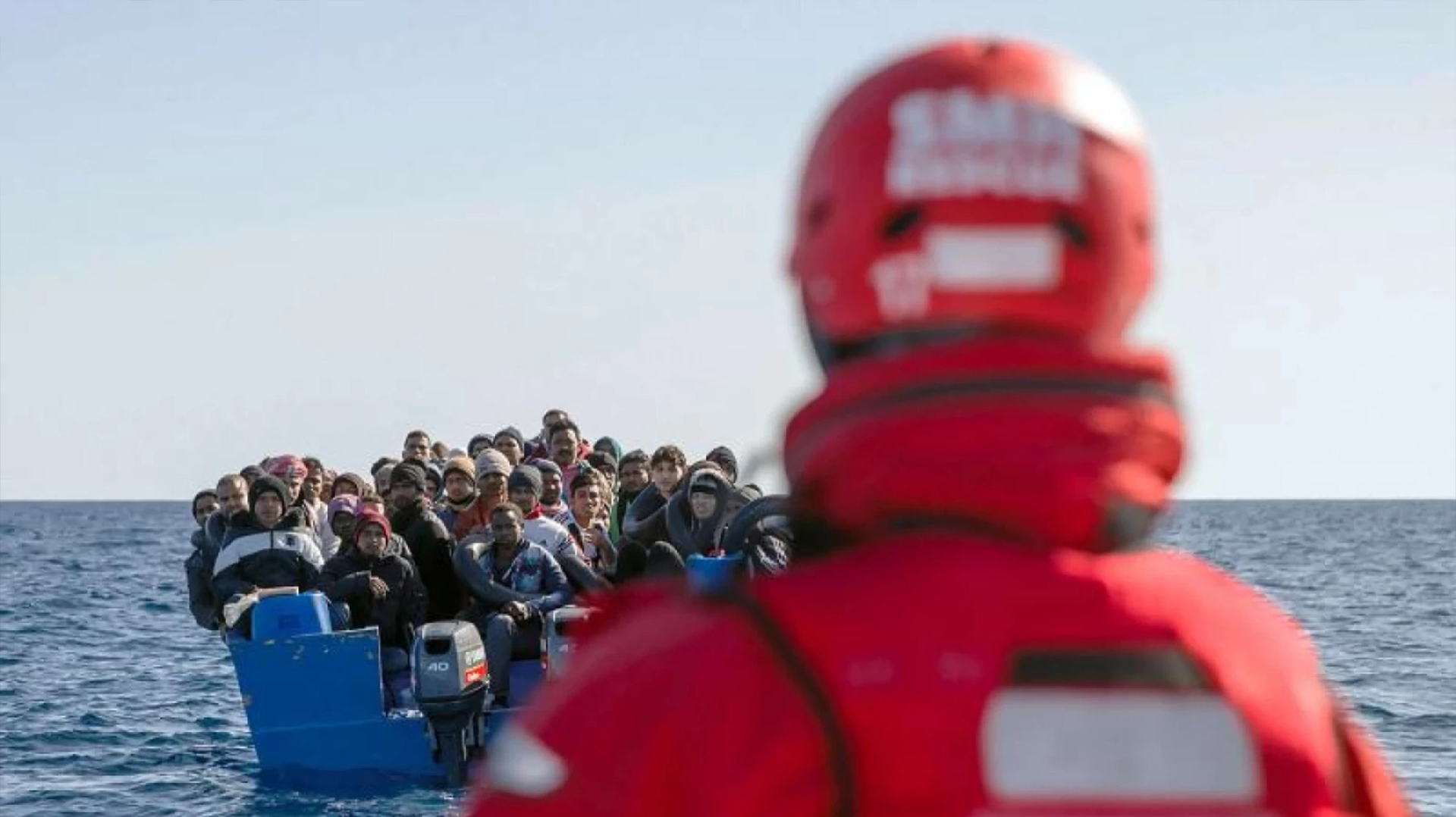
ERBIL (Kurdistan24) — Arrangements have been completed for the voluntary return of 33 Iraqi migrants from Libya, with the group scheduled to arrive at Erbil International Airport early Monday morning, an Iraqi diplomatic official said Sunday.
Ahmed al-Sahaf, Chargé d’Affaires of the Iraqi Embassy in Libya, said the return arrangements were finalized in coordination with Iraq’s Ministry of Foreign Affairs and the Kurdistan Region’s Department of Foreign Relations.
The migrants are expected to depart Tripoli at 8 p.m. local time on Sunday and arrive at Erbil International Airport at around 5 a.m. Monday.
Al-Sahaf said the migrants were returning voluntarily and that the embassy had purchased their tickets to reduce the financial burden on their families.
He also warned young people about the dangers posed by human smuggling and trafficking networks, which can expose migrants to serious legal, financial and life-threatening risks.
Kurdish migrants stranded in Libya
The return comes amid growing concerns over the difficult conditions faced by Kurdish migrants in Libya and Tunisia, which have become major transit points for people seeking to reach Europe by crossing the Mediterranean.
Kurdistan24 reported on July 16 that around 140 Kurdish migrants were stranded in Libya, while another 17 were in Tunisia, according to Peshraw Abdullah, a representative for returned European asylum seekers. He said most of those stranded were from the Raparin Independent Administration.
Abdullah warned that human smuggling networks continue to place migrants’ lives at risk by facilitating dangerous Mediterranean crossings.
He said Libya’s lack of an agreement with the European Union on the return of migrants means those entering the country are generally not deported, encouraging some to continue using the route in the hope of reaching Europe.
Abdullah also said six Kurdish migrants were believed to have gone missing while attempting to cross the Mediterranean toward Italy.