Duhok Prepares for 19th Grape and Honey Festival as Production Surges
Duhok is preparing for its 19th Grape and Honey Festival as grape output reaches 80,000 tons and honey production rises sharply from 88 to 300 tons.
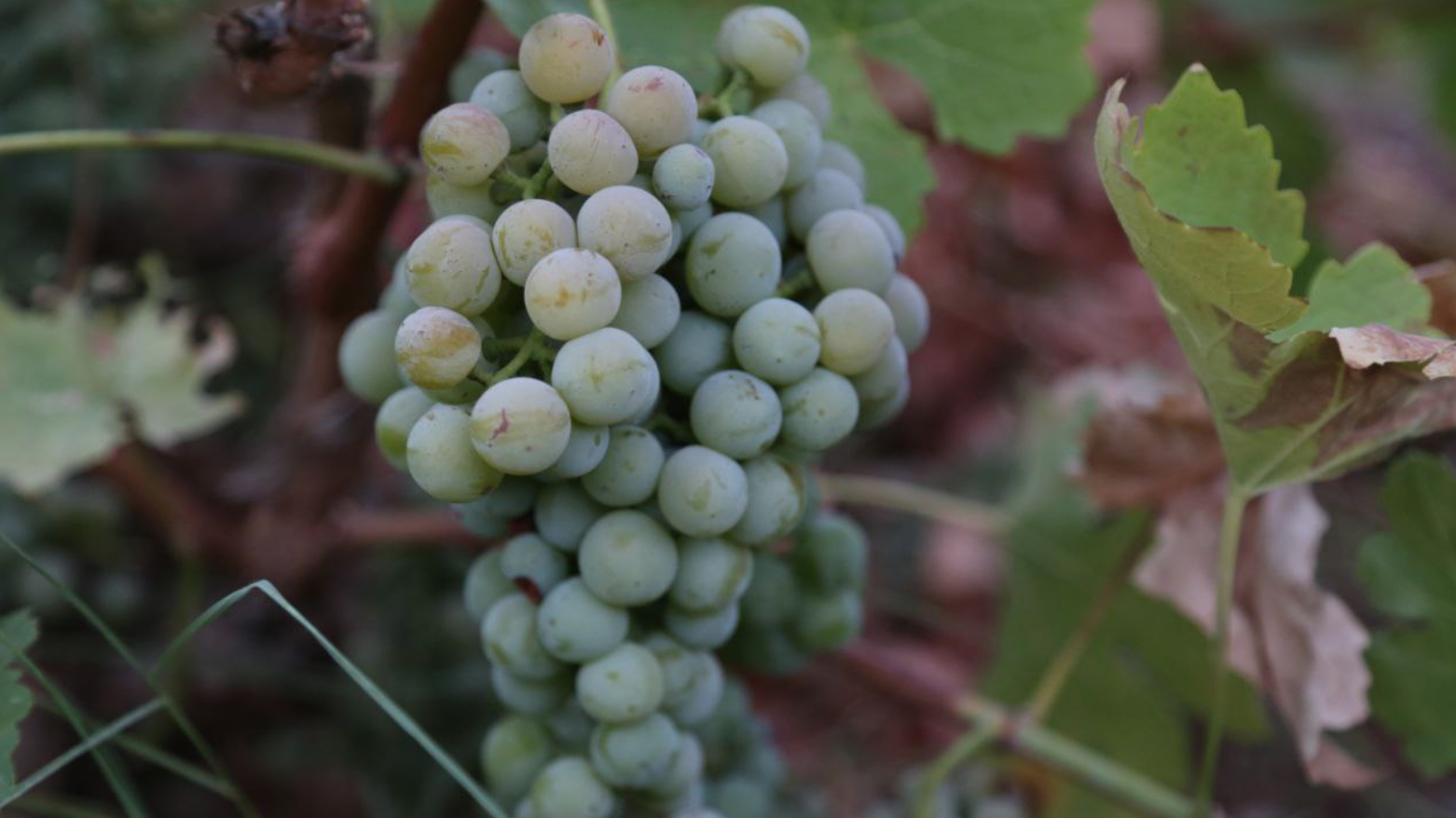
ERBIL (Kurdistan24) - Preparations are underway for Duhok's 19th annual Grape and Honey Festival, with organizers planning to extend the event to as many as three days as agricultural officials report sharp increases in production of two of the province's best-known local products.
The Duhok General Directorate of Agriculture is expected to hold the festival at the end of September, bringing together farmers, beekeepers, residents and visitors in an event designed to showcase local produce and strengthen access to markets.
Muslih Hassan, deputy director general of agriculture in Duhok, said this year's festival would differ from previous editions by lasting between two and three days rather than being limited to a single day.
The longer schedule is intended to give residents and tourists more time to view and purchase products while creating additional opportunities for farmers and beekeepers to market their harvests.
The expansion comes during a particularly strong production year.
Hassan said Duhok's grape harvest has reached approximately 80,000 tons, compared with around 60,000 tons last year, an increase of 20,000 tons.
Honey production has risen even more sharply, climbing from 88 tons to around 300 tons this year.
The figures underline the importance of grapes and honey to Duhok's agricultural identity and the growing commercial role of a festival that began primarily as a showcase for traditional local products.
Duhok has long been renowned for grape cultivation, supported by its climate, mountainous geography and extensive agricultural traditions.
Kurdistan24 correspondent Bewar Hilmi reported on Sunday that this year's grape harvest was expected to reach around 80,000 tons, confirming the substantial increase from the roughly 60,000 tons produced the previous year.
His reporting also documented the diversity of Duhok's vineyards, with recent figures indicating that the province contains well over 100 grape varieties.
More than 50 varieties are expected to be showcased during the Grape and Honey Festival, alongside natural honey produced in villages and mountain areas across the province.
The Kurdistan Regional Government has also introduced seasonal measures intended to protect grape growers during the harvest.
Read More: Duhok Grape Harvest Rises as Output Heads Toward 80,000 Tons
Previous Kurdistan24 reporting said foreign grape imports were suspended during the main production season to prevent imported fruit from competing directly with local produce at the moment farmers are trying to sell their crops.
Officials have simultaneously encouraged producers and traders to expand sales beyond Duhok.
Locally grown grapes are transported to central and southern Iraqi provinces, where larger consumer markets can help absorb abundant harvests and reduce pressure on prices inside the Kurdistan Region.
This is particularly important for grapes because the fruit is highly perishable. Large increases in production can become an economic problem for growers if buyers, storage facilities and processing capacity do not expand alongside the harvest.
Kurdistan24 has previously reported that agricultural authorities and private companies have sought to address that challenge through direct purchasing arrangements and collection centers.
The festival has gradually developed into more than a cultural celebration.
Last year's 18th edition brought together dozens of farmers and was designed both to display agricultural products and to encourage commercial relationships between producers, traders and private-sector investors.
Kurdistan24 correspondent Bewar Helmi reported ahead of the 2025 festival that around 50 farmers were expected to participate in the two-day event.
Read More: Duhok Set to Host 18th Annual Grape and Honey Festival
At the time, Agriculture Director General Ahmad Jameel said organizers wanted farmers not only to exhibit their products but also to sell directly to visitors, allowing producers to benefit commercially from the event.
The decision to extend this year's festival reflects that growing economic role.
By allowing two to three days for exhibitions and sales, agricultural authorities hope to give farmers and beekeepers more sustained access to customers while providing tourists with another reason to visit Duhok.
Honey has become an increasingly important part of that equation.
The rise from 88 tons to 300 tons represents more than a threefold increase in reported production, providing beekeepers with a substantially larger volume to market this year.
Duhok's mountainous villages are known for locally produced natural honey, with beekeeping closely connected to the province's varied landscapes and vegetation.
Displaying honey alongside grapes also allows the festival to promote two agricultural sectors with strong associations with Duhok's local identity.
The event fits within the KRG's broader effort to increase the role of agriculture in economic diversification.
Seasonal import controls, greater access to markets in federal Iraq, private-sector purchasing arrangements and agricultural festivals are among the mechanisms used to help locally produced food reach consumers.
Previous Kurdistan24 reporting has also highlighted growing investment in food processing and agricultural value chains, aimed at ensuring that increasing production translates into sustainable income rather than temporary surpluses.
For Duhok, this year's production figures provide a strong backdrop to the 19th festival.
An 80,000-ton grape harvest and 300 tons of honey give farmers and producers considerably more to bring to market than a year earlier.
The challenge is ensuring that rising output is matched by buyers, processing capacity and distribution networks.
By extending the festival and placing greater emphasis on direct sales and promotion, agricultural officials are seeking to turn Duhok's longstanding reputation for grapes and honey into broader economic opportunities for the farmers and beekeepers who produce them.