Akre to Host Third Locally-Grown Products Festival
Fazil Mustafa, Director of Agriculture in Akre, told Kurdistan24 correspondent Ari Hussein that the festival will be held in the coming days and will showcase a wide range of agricultural products produced by local farmers.
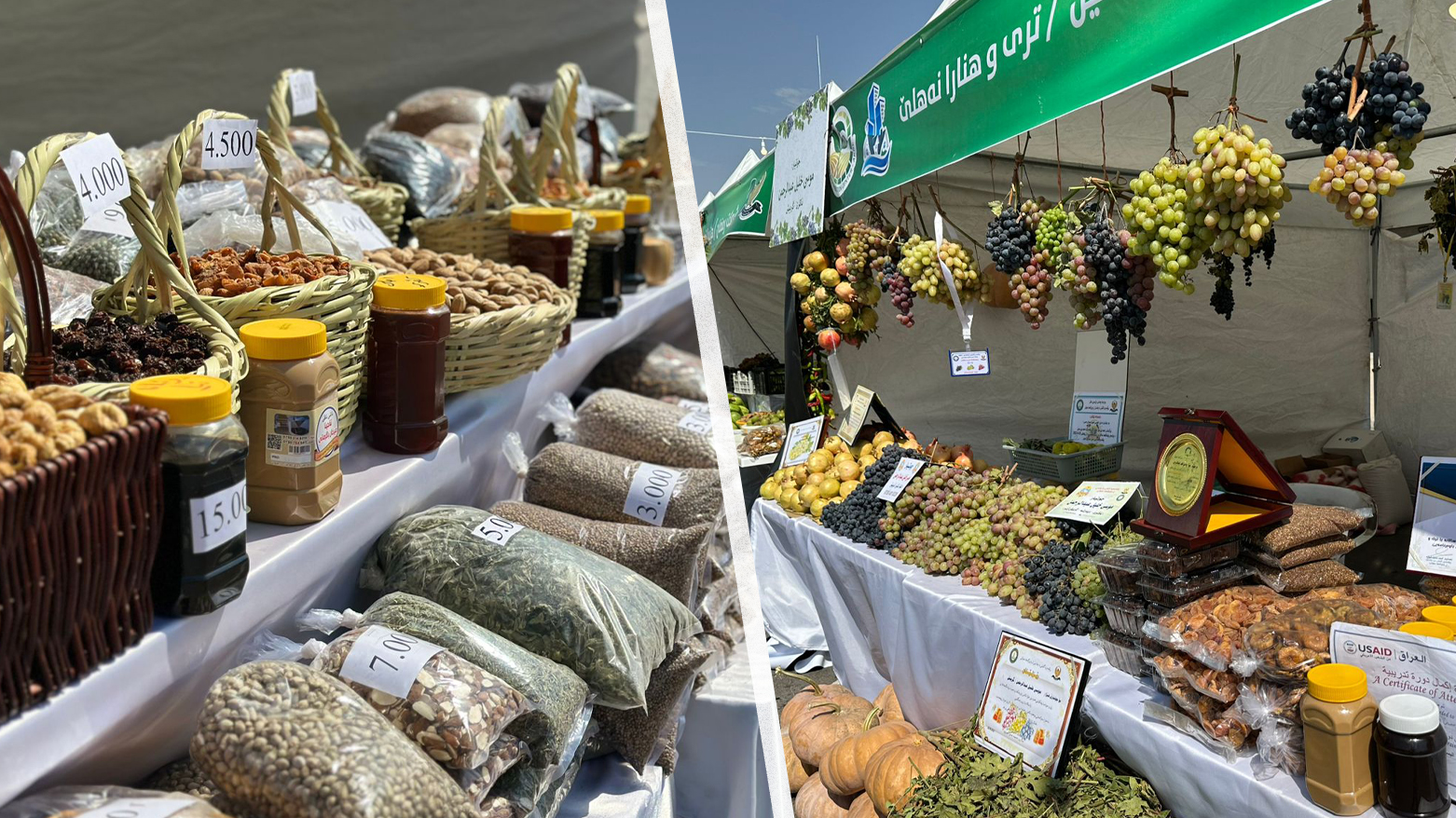
ERBIL (Kurdistan24) — The third Locally-Grown Products Festival is set to open in Akre district, Duhok province, with hundreds of farmers expected to participate in an event aimed at promoting local agricultural products and attracting tourists.
Fazil Mustafa, Director of Agriculture in Akre, told Kurdistan24 correspondent Ari Hussein that the festival will be held in the coming days and will showcase a wide range of agricultural products produced by local farmers.
Mustafa said the festival is supported by Kurdistan Region Prime Minister Masrour Barzani and the Governor of Duhok, while Akre’s directorates of Tourism and Culture are overseeing preparations.
The festival will run for three to five days and will provide farmers with an opportunity to market and sell their products directly to consumers, while also encouraging more visitors to the area.
“This year’s festival is much larger than in previous years, with more than 100 booths provided for farmers,” Mustafa said.
Akre is one of the Kurdistan Region’s important agricultural hubs, benefiting from fertile land and abundant water resources that support the cultivation of a diverse range of crops and agricultural products.
The district is particularly known for its Kurdish rice, figs, tahini, pomegranates and sumac. Thousands of tons of these products are sold each year across the Kurdistan Region and in central and southern Iraq.
As part of its efforts to diversify the economy, the Kurdistan Regional Government has prioritized the development of Akre’s agricultural sector and is seeking to expand the reach of its products to international markets.
Agricultural festivals such as the Akre event are also being used to promote local production by connecting farmers directly with consumers and tourists. Organizers hope the events will strengthen the local economy, increase farmers’ access to markets and encourage domestic products as alternatives to imported goods.