Frontex Helps Return More Than 33,000 Migrants from EU in First Half of 2026
According to a statement released by Frontex on Monday, around two-thirds of the returns were voluntary, with approximately 21,000 people choosing to return in the first six months of 2026, compared with about 19,000 a year earlier.
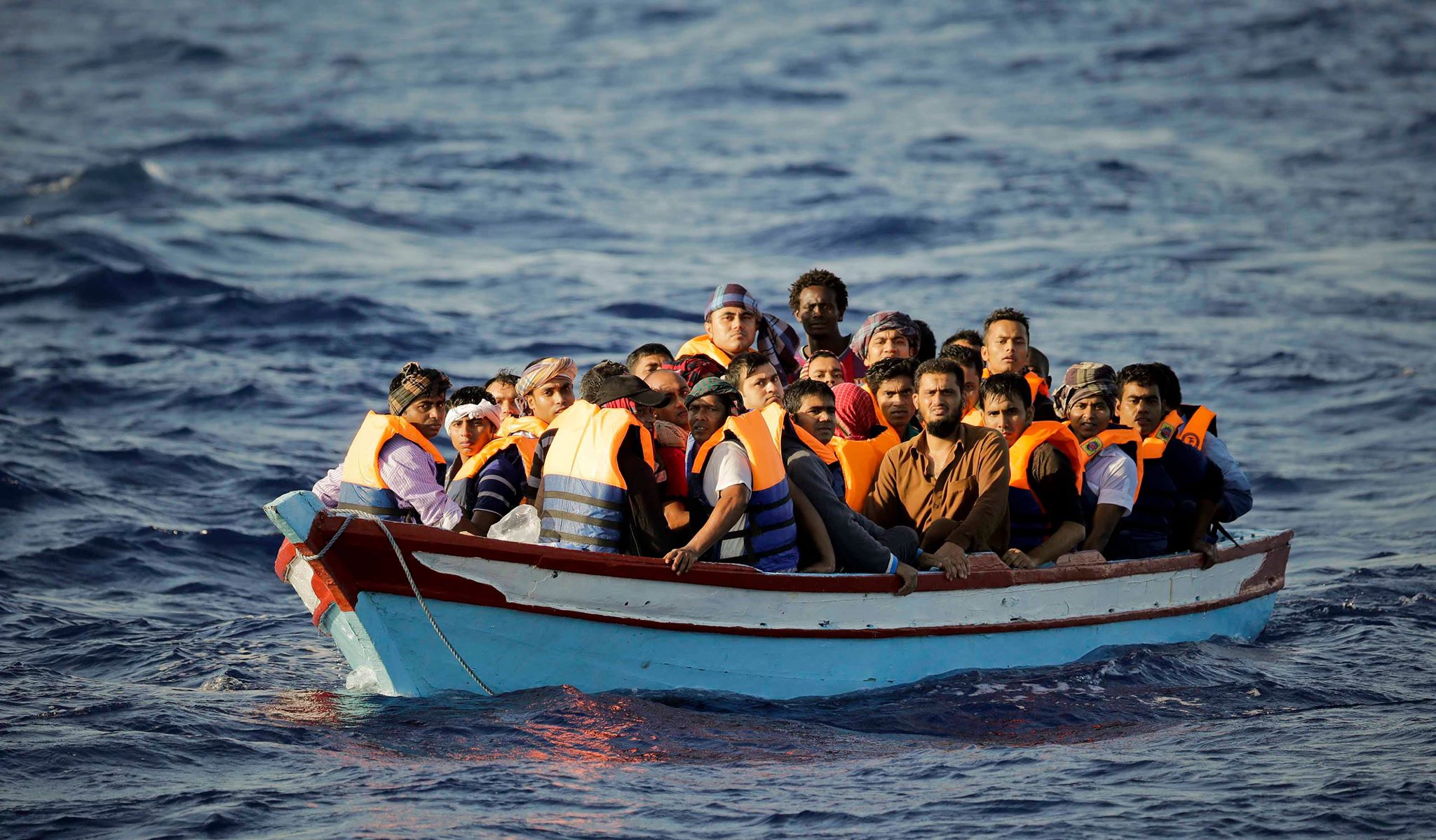
ERBIL (Kurdistan24) – The European Border and Coast Guard Agency, Frontex, helped European Union member states return more than 33,000 people to non-EU countries during the first half of 2026, marking an increase from around 30,000 during the same period last year.
According to a statement released by Frontex on Monday, around two-thirds of the returns were voluntary, with approximately 21,000 people choosing to return in the first six months of 2026, compared with about 19,000 a year earlier.
Frontex said every return it supports follows an enforceable return decision, meaning the individual has exhausted their legal options to remain in the EU.
In voluntary returns, individuals comply with the decision to leave and may receive practical and, where eligible, financial assistance. Forced returns are carried out when individuals do not comply with the obligation to leave.
The agency emphasized that the decision on whether a return is voluntary or forced is made by national authorities, while Frontex provides support for both processes.
Since 2022, Frontex has assisted EU member states in returning approximately 215,000 people to countries outside the EU.
The agency also said that 109 Return Specialists from its Standing Corps were working across 15 EU member states during the first half of 2026. They help migrants understand the return process and available assistance, support national authorities in managing return cases, and assist in obtaining travel documents from countries of origin.
Frontex said its assistance can continue after migrants arrive in their countries of origin. Around 14,000 people registered for EU reintegration assistance during the first half of 2026, up from approximately 8,000 during the same period in 2025.
The reintegration support can include vocational training, small grants to establish businesses, and counselling, with more than four in five people who registered for the program having returned voluntarily.