Dakan Village Farmers Harvest Centuries-Old Olive Trees for Kurdistan and Iraqi Markets
More than 500 tons of olives are produced annually in the village, with its harvest known across the Kurdistan Region and Iraq for its quality
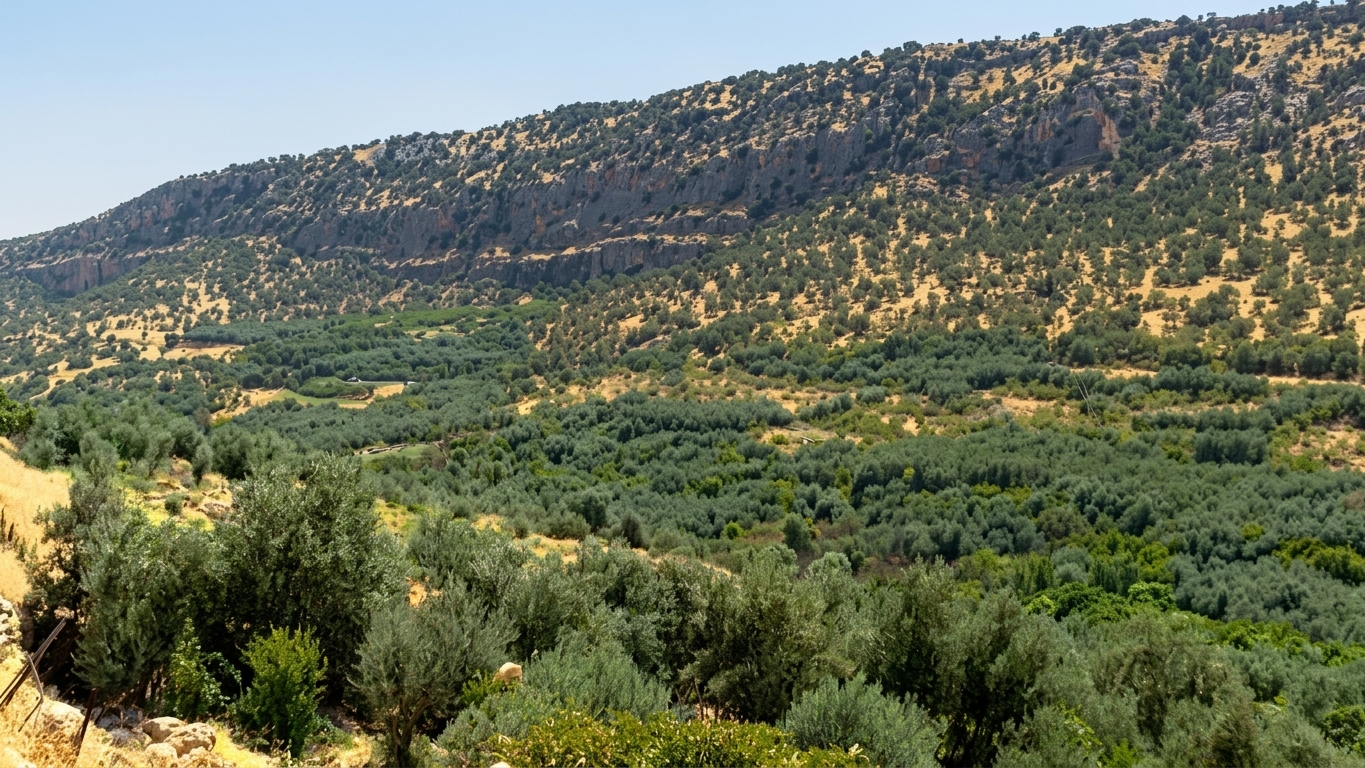
ERBIL (Kurdistan24) — Farmers in Dakan village, east of the center of Shekhan district of the Kurdistan Region have begun harvesting their olive crop as the annual season gets underway, with the village producing more than 500 tons of olives each year.
Dakan is known for its hundreds of olive trees, many of which are more than a century old. Its olives have gained a reputation in markets across the Kurdistan Region and Iraq and are considered among the region’s high-quality varieties.
As the olives reach maturity, farmers in the village have started preparing and collecting the harvest through a system of mutual assistance, working together to gather the crop before transporting it to markets.

Residents describe the olives as their “yellow gold,” saying the crop provides an important source of income and supports the livelihoods of local families. The annual harvest exceeds 500 tons, making olive cultivation an important part of the village’s agricultural economy.
Nawzad Zuber, a farmer from the area, told Kurdistan24 that Dakan’s olives are well known across both the Kurdistan Region and Iraq, adding that the village’s olive trees have been producing for more than 100 years.
According to Zuber, the olives currently being harvested are mainly used for consumption and pickling and are transported to cities across the Kurdistan Region as well as Baghdad, Basra and Mosul.
He added that another stage of the harvest begins from November onward, when the olives turn black and are collected primarily for oil production.
Jawaher Yusuf, another farmer from the area, told Kurdistan24 that Dakan’s olives have been renowned in the region for generations, with buyers from different areas traveling to the village, sometimes with trucks, to purchase its produce.

The Shekhan district and surrounding areas are among the Kurdistan Region’s important olive-producing areas, benefiting from soil and climatic conditions suitable for olive cultivation.
The annual autumn harvest provides fresh olives for local consumption and oil production while also supplying markets in central and southern Iraq.
For farming families in the area, olive cultivation remains an important source of household income and a key component of the local rural economy.
The harvest also highlights the broader role of agricultural production in supporting rural livelihoods and strengthening local supply chains, particularly as farmers seek to expand the market for locally produced food products across the Kurdistan Region and Iraq.
