Young People Release Chukar Partridges Into Wild in Barzan
Young people in Dore village in the Barzan area released two Chukar partridges into the wild, highlighting a bird closely tied to Kurdistan's mountains.
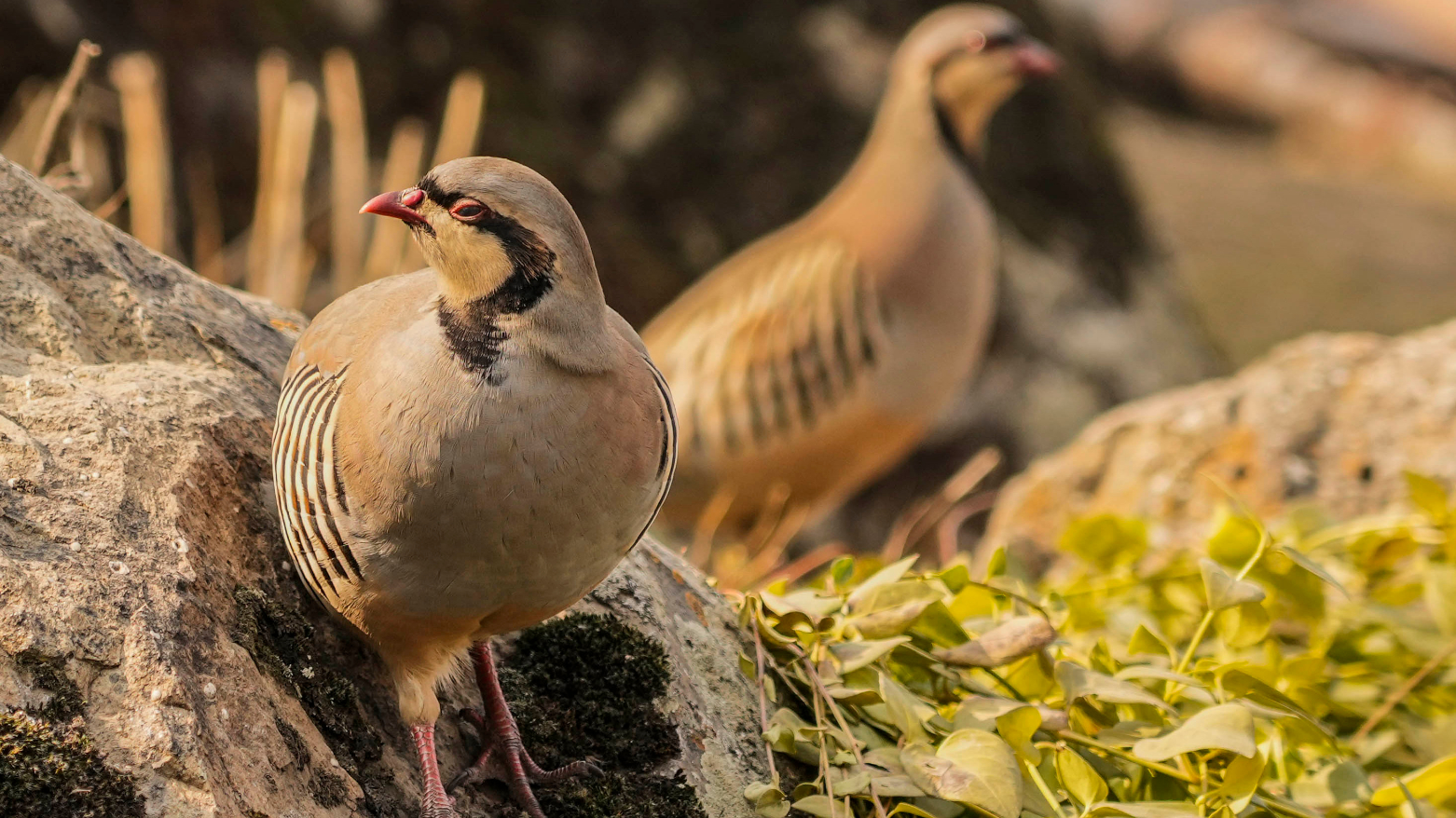
ERBIL (Kurdistan24) - Several young people in Dore village in the Barzan area have released two Chukar partridges back into the wild, in a moment captured on video that has circulated widely and drawn attention to a bird closely associated with Kurdistan's mountainous landscape.
The footage shows the young people returning the two birds to their natural surroundings, allowing them to fly free again among the mountains where the species has long been a familiar presence.
Known in Kurdish as kew, the Chukar partridge (Alectoris chukar) inhabits dry, rocky slopes with scattered grasses and shrubs. Its sandy-brown plumage, distinctive black marking around the throat, barred sides and red bill make it readily recognizable while also providing camouflage among rocks.
The species is native across a broad geographical range stretching from the eastern Mediterranean through the Zagros Mountains and farther into Central and South Asia.
Chukars spend much of their time on the ground, feeding on seeds, grasses, shoots and insects. When threatened, they commonly run uphill before taking short, powerful flights.
According to background information from BirdLife International, the Chukar is currently classified as a species of least conservation concern. That global classification, however, does not mean individual populations are immune from local pressures, including excessive hunting and deterioration of habitat.
In Kurdistan, the bird also carries a cultural significance extending beyond its ecological role.
The kew frequently appears in Kurdish songs, poetry and oral tradition, where its mountain habitat and distinctive behavior have contributed to associations with freedom, endurance and attachment to the land.
Its call, carrying across valleys and rocky slopes, has also found a place in cultural imagery connected with longing and separation. In traditional descriptions, the partridge can symbolize beauty and grace, with references to its movement, eyes and voice appearing in Kurdish folklore.
That connection between wildlife and culture gives the release in Dore village a broader resonance. What appears in the video as a simple act of returning two birds to nature also reflects the close relationship between the Chukar and the mountain environment in which generations of Kurdish communities have lived.
For the young people involved, the birds' return to the wild restores them to the landscape with which the species is most closely identified, the rocky hillsides and valleys of Kurdistan.