Dollar Climbs Against Iraqi Dinar as Baghdad Rate Tops 160,000
The dollar rose to 159,350 dinars per $100 in Erbil and surpassed 160,000 in Baghdad, widening the gap with Iraq’s official exchange rate.
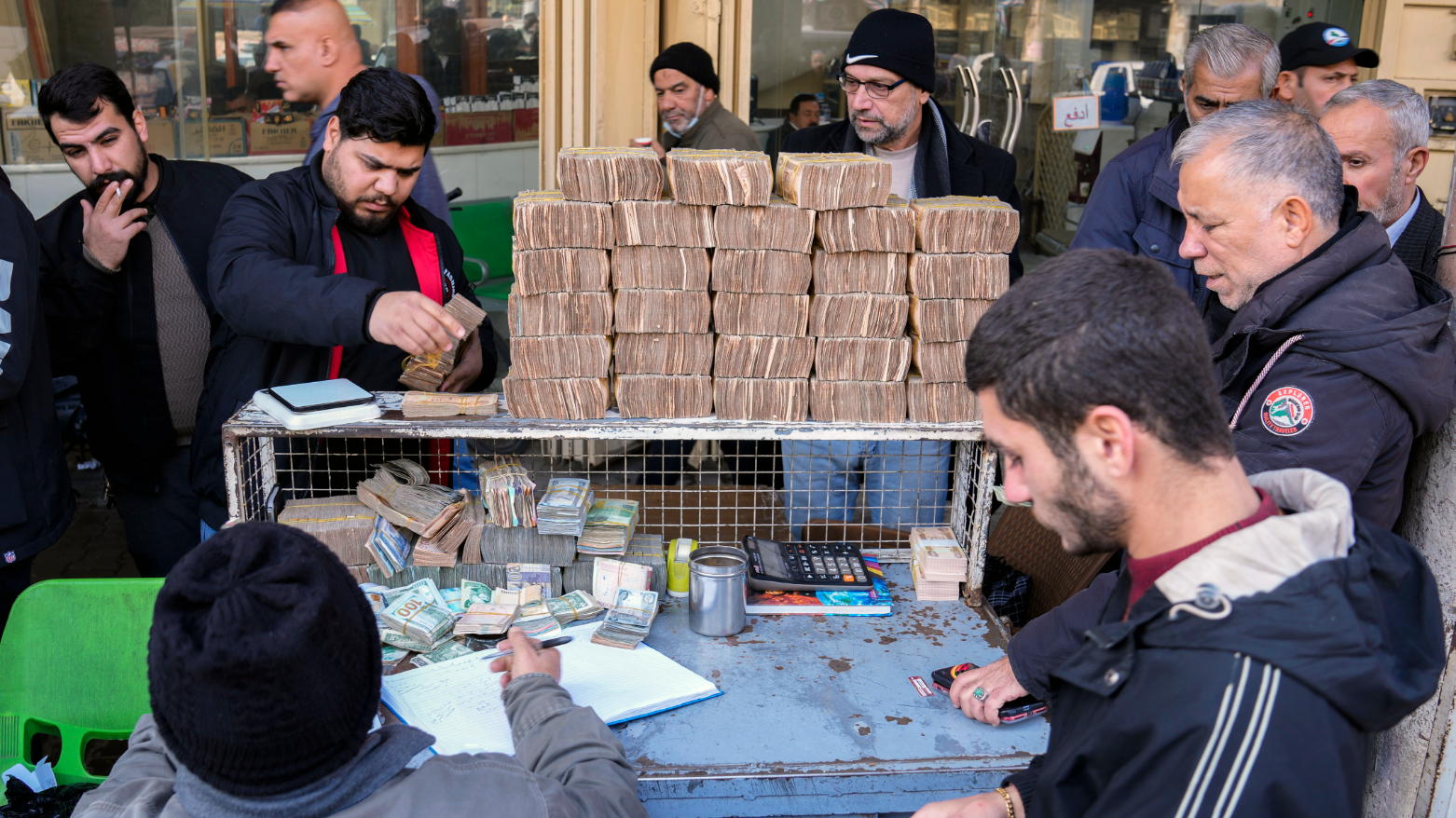
ERBIL (Kurdistan24) - The US dollar strengthened further against the Iraqi dinar on Saturday, reaching 159,350 dinars per $100 in Erbil, while the rate in Baghdad moved above 160,000, extending a rise that has gathered pace over the past two weeks.
Kurdistan24 correspondent Azar Farouq reported on Sept. 19 that the dollar had climbed from 158,000 dinars per $100 at Thursday's close, with currency traders watching for further movement during Saturday trading.
Farouq said the rate in Erbil could also exceed the 160,000-dinar threshold if the upward momentum continues.
Independent reporting on Saturday similarly showed the dollar crossing 160,000 dinars per $100 in Baghdad's parallel market, underscoring renewed pressure on the Iraqi currency outside the official banking system.
The move represents the widening gap between Iraq's regulated exchange rate and the price available in cash markets. The Central Bank of Iraq currently lists the official rate at 1,310 dinars to the dollar, equivalent to 131,000 dinars per $100.
Economic experts cited in Kurdistan24's reporting linked the recent increase to regional tensions and uncertainty surrounding armed groups, factors that can influence demand for dollars when traders and households become more cautious about the dinar.
Farouq also reported that currency prices are increasingly sensitive to information circulating through WhatsApp and Telegram groups used by traders in Iraq and the Kurdistan Region.
Such informal channels can rapidly spread expectations about the direction of the market, though the reporting does not establish that messages circulating on those platforms are themselves an underlying cause of the dinar's weakness.
Another factor identified by Farouq is that many traders have not registered with the ASICO system, which he said has negatively affected conditions in the dollar market.
The latest increase comes against an already sensitive political and financial backdrop surrounding Iraq's access to US currency.
Earlier Kurdistan24 reporting cited two Iraqi government sources who said the Trump administration had warned Baghdad that monthly dollar transfers could be suspended unless Iran-aligned armed factions surrendered their weapons by Sept. 30.
Read More: U.S. Warns Iraq: Disarm Militias by Sept. 30 or Dollar Transfers Stop
According to those sources, the warning was conveyed during Prime Minister Ali al-Zaidi's visit to Washington.
The account was subsequently disputed by Mazhar Mohammed Saleh, a senior financial adviser to al-Zaidi.
Saleh told Kurdistan24 on Sept. 15 that reports of an impending suspension of dollar shipments were "rumors" and said Washington had not formally raised such a measure with the Iraqi government.
Read More: Iraqi PM Adviser Denies US Plans to Halt Dollar Shipments
That leaves the alleged Sept. 30 dollar-transfer warning unresolved: two Iraqi government sources described it as a direct US warning, while a senior adviser to the prime minister publicly denied that such a measure had been communicated.
No dollar cutoff has been established in the supplied reporting.
The sensitivity surrounding those reports reflects the importance of dollar liquidity to Iraq's economy.
Iraq receives most of its public revenue from oil exports, while the US financial system plays an important role in the movement of dollars into the country. Previous restrictions and tighter oversight of foreign-currency transactions have periodically contributed to pressure in Iraq's cash market.
The Central Bank has long sought to distinguish its official exchange system from the higher cash-market rate. In an earlier statement, it said dollars for legitimate domestic needs are supplied through licensed banks and exchange companies and warned against speculative pricing outside the regulated system.
For consumers and businesses, however, movements in the parallel rate remain important because many transactions and imported goods can ultimately be affected by the market price of foreign currency.
Saturday's rise therefore places renewed attention on whether the gap between the official and market rates will continue to widen.
For now, Farouq's reporting shows a clear short-term trend: after two weeks of gains, the dollar has approached 160,000 dinars per $100 in Erbil and already crossed that level in Baghdad, leaving traders watching closely for the market's next move.