Iraqi MP Warns of US Sanctions Over Failure to Disarm Armed Groups
Security committee member says dollar smuggling remains unresolved as Baghdad faces mounting pressure over weapons control and currency-market instability
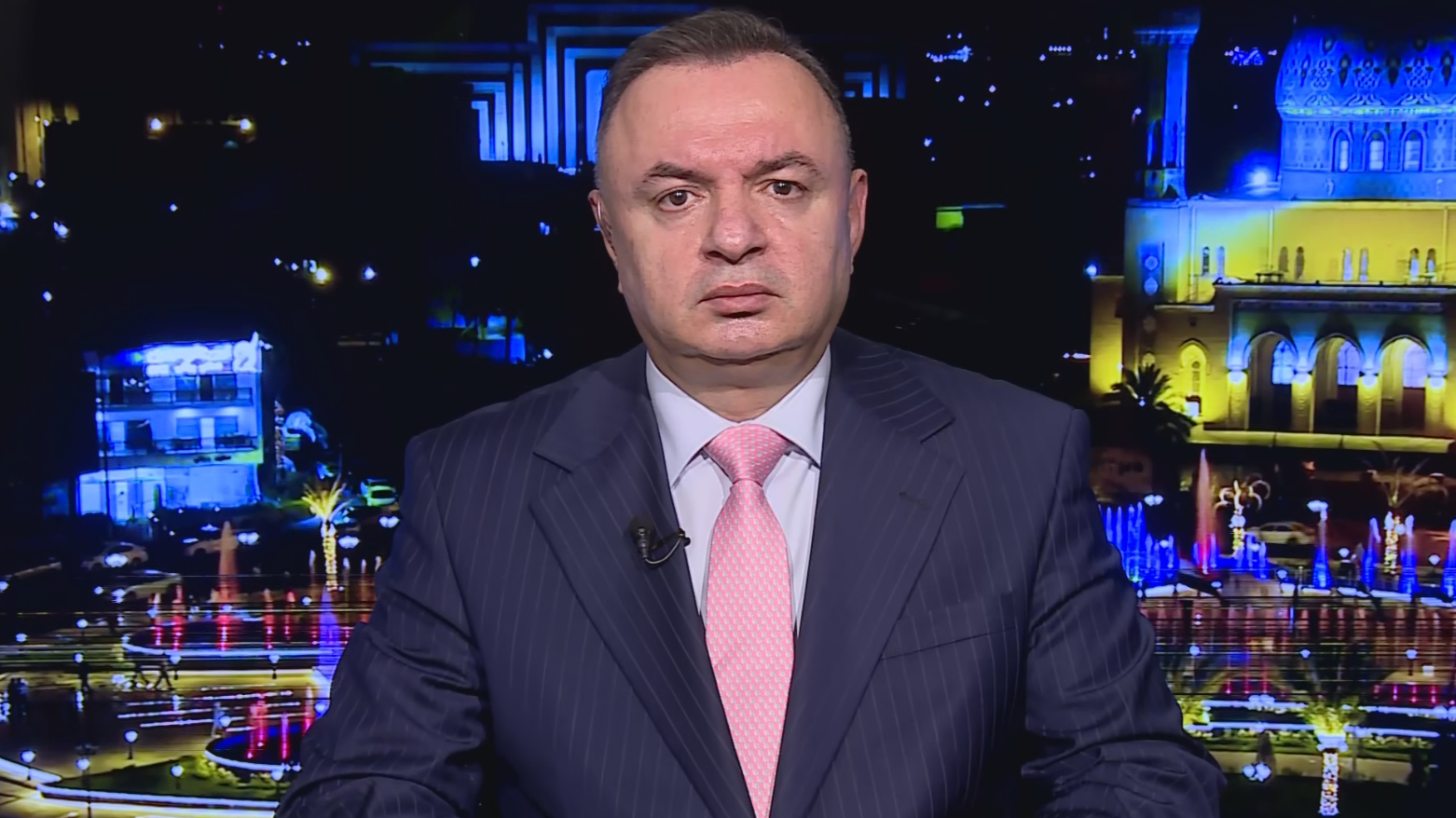
ERBIL (Kurdistan24) — Iraq continues to face dollar smuggling and could come under severe US financial and economic sanctions if a government decision to bring weapons held by armed groups under state control is not implemented by the end of September, an Iraqi lawmaker said.
Sherwan Doberndani, a member of the Iraqi Parliament’s Security and Defense Committee, made the remarks during an appearance on Kurdistan24, saying the smuggling and illegal transfer of dollars out of Iraq remained ongoing and had not been completely brought under control.
Doberndani said controlling currency smuggling was difficult, as it was a challenge faced by countries in different parts of the world. He pointed to recent US sanctions targeting Iraqi companies and individuals accused of involvement in currency smuggling as evidence that the issue remained a concern for Washington.
Warning over weapons control
Doberndani also said the United States was serious about bringing militias and armed groups operating outside the authority of the state under control.
He warned that if a decision by the Iraqi prime minister to place all weapons under state control is not implemented by Sept. 30, Washington could begin imposing direct financial and economic sanctions on Iraq.
According to the lawmaker, the deadline has created significant pressure on the Iraqi government both domestically and from the United States.
The issue of weapons held by armed groups has become a major point of debate in Iraq amid wider regional tensions and calls for Baghdad to strengthen state control over security and military affairs.
Regional tensions add pressure to dinar market
Addressing fluctuations in Iraq’s currency market and the recent rise in the dollar exchange rate, Doberndani attributed the pressure to a combination of political and economic factors.
He cited regional security developments, particularly tensions surrounding the Strait of Hormuz, difficulties affecting oil exports, and issues related to the flow of US dollars into Iraq.
He also said Iraq's government requires approximately 10 trillion Iraqi dinars ($6.3 billion) each month to cover salaries and other operational expenditures, adding that the difference between the official dollar exchange rate and the parallel-market rate had created additional pressure on the state budget.
Doberndani warned that the Central Bank of Iraq could face difficulties in controlling the currency market over the coming days as businesses and citizens await developments after the Sept. 30 deadline.
He said the situation would depend in part on whether Baghdad and Washington reach an understanding on the outstanding issues or whether Iraq enters a new phase of US sanctions.
The lawmaker's comments come as Iraq faces simultaneous political, economic and security pressures, with the government seeking to stabilize the currency market while addressing demands for greater state control over armed groups and maintaining its financial relationship with Washington.