US Restricts Government Employee Travel to Two Saudi Cities Amid Houthi Attacks
Washington requires special authorization for travel to Yanbu and Taif as security tensions rise across Saudi Arabia
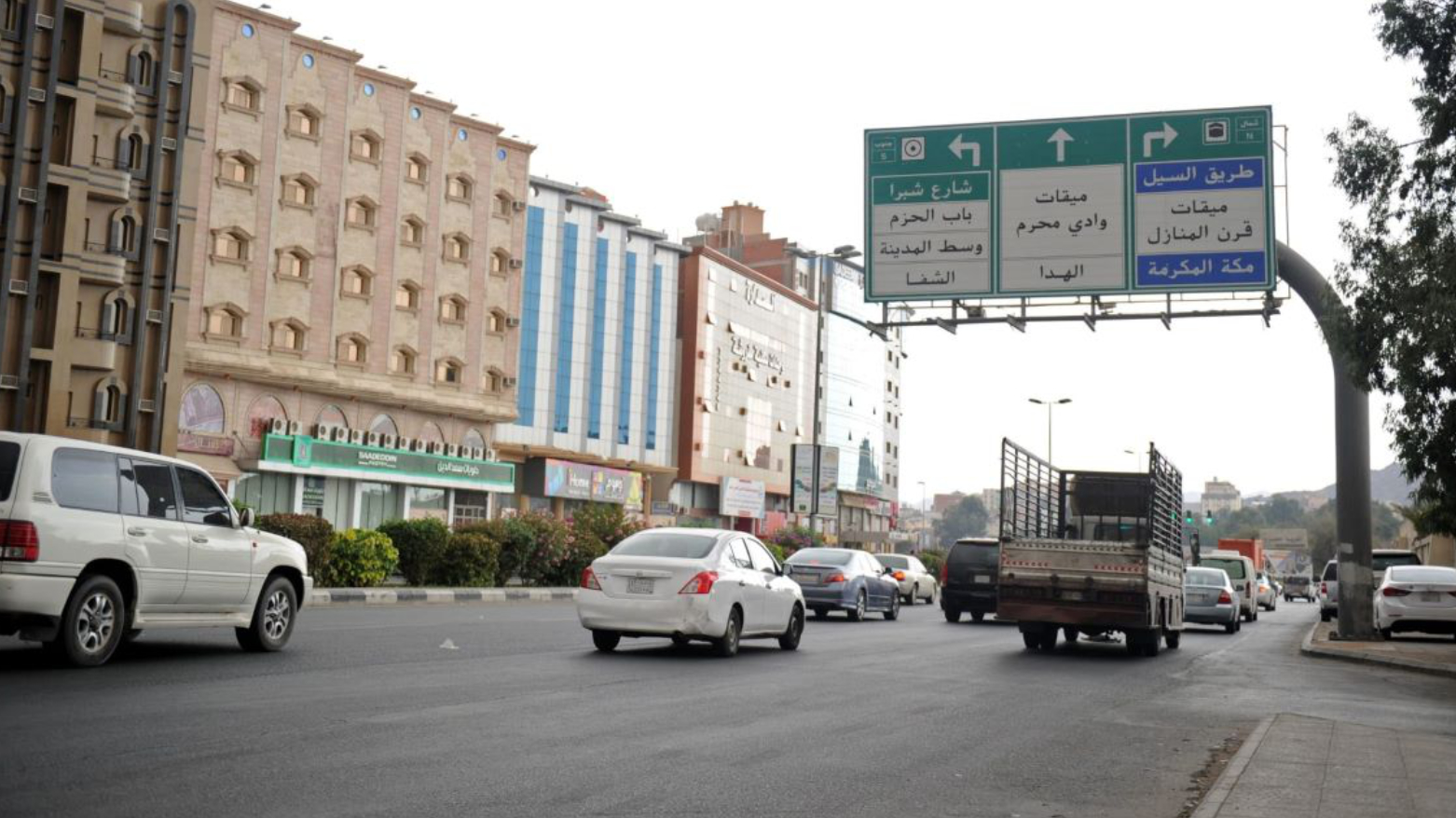
ERBIL (Kurdistan24) — The US State Department on Sunday restricted travel by American government employees in Saudi Arabia to the cities of Yanbu and Taif, citing the ongoing security situation as Yemen’s Iran-backed Houthis intensify attacks against the kingdom.
“Due to the ongoing security situation in Saudi Arabia, US government employees who work in Saudi Arabia now require special authorization for all official and personal travel to the cities of Taif and Yanbu,” the State Department said in a post on X.
The new restrictions came a day after Saudi authorities said Houthi forces attempted to target Riyadh with a ballistic missile and also sought to attack civilian infrastructure in Yanbu, Taif, Baysh and Farasan.
Saudi air defenses said they intercepted the missile targeting the capital and thwarted the other attacks.
The Houthis claimed they had targeted what they described as sensitive sites in Riyadh and facilities belonging to Saudi oil giant Aramco in Yanbu. Those claims could not be independently verified.
The developments have raised concerns over the security of Saudi Arabia’s major population centers, airports and energy infrastructure.
Yanbu, a Red Sea port city, is a major industrial and oil-export hub, while Taif is located in western Saudi Arabia, southeast of Mecca.
The State Department had already classified Saudi Arabia as a Level 3 destination, advising Americans to reconsider travel because of risks including armed conflict, terrorism and potential Iranian drone and missile attacks.
Existing restrictions also prohibit US government employees from traveling within 20 miles of the Yemen border and require special authorization for travel to several other Saudi provinces.
The latest measures follow a broader US warning that the security situation in the Middle East could deteriorate rapidly. Washington has urged Americans in or traveling through the region to exercise heightened vigilance and prepare for possible flight cancellations, airspace closures and other disruptions.
The Houthi-Saudi escalation comes amid renewed fighting in Yemen and a broader regional conflict involving Iran, the United States and their allies.
Houthi forces have expanded their military activity in Yemen in recent months while launching missile and drone attacks toward Saudi territory.
The escalation has also raised concerns over regional shipping and energy supplies. The Houthis' growing presence along Yemen's Red Sea coast has heightened attention on the Bab al-Mandab Strait, a key maritime route connecting the Red Sea with the Gulf of Aden and the wider global shipping network.
The latest US travel restriction therefore adds to a series of security measures adopted as Washington and its partners monitor the expanding risks to diplomatic personnel, commercial infrastructure and civilian travel across the region.