Tom Barrack: Disarming Armed Groups Is Crucial for Iraq and Its People
The US special envoy for Syria and Iraq says disarming armed factions is a crucial issue for Iraqis and voices Washington’s support for Prime Minister Ali al-Zaidi’s efforts to bring weapons under state control.
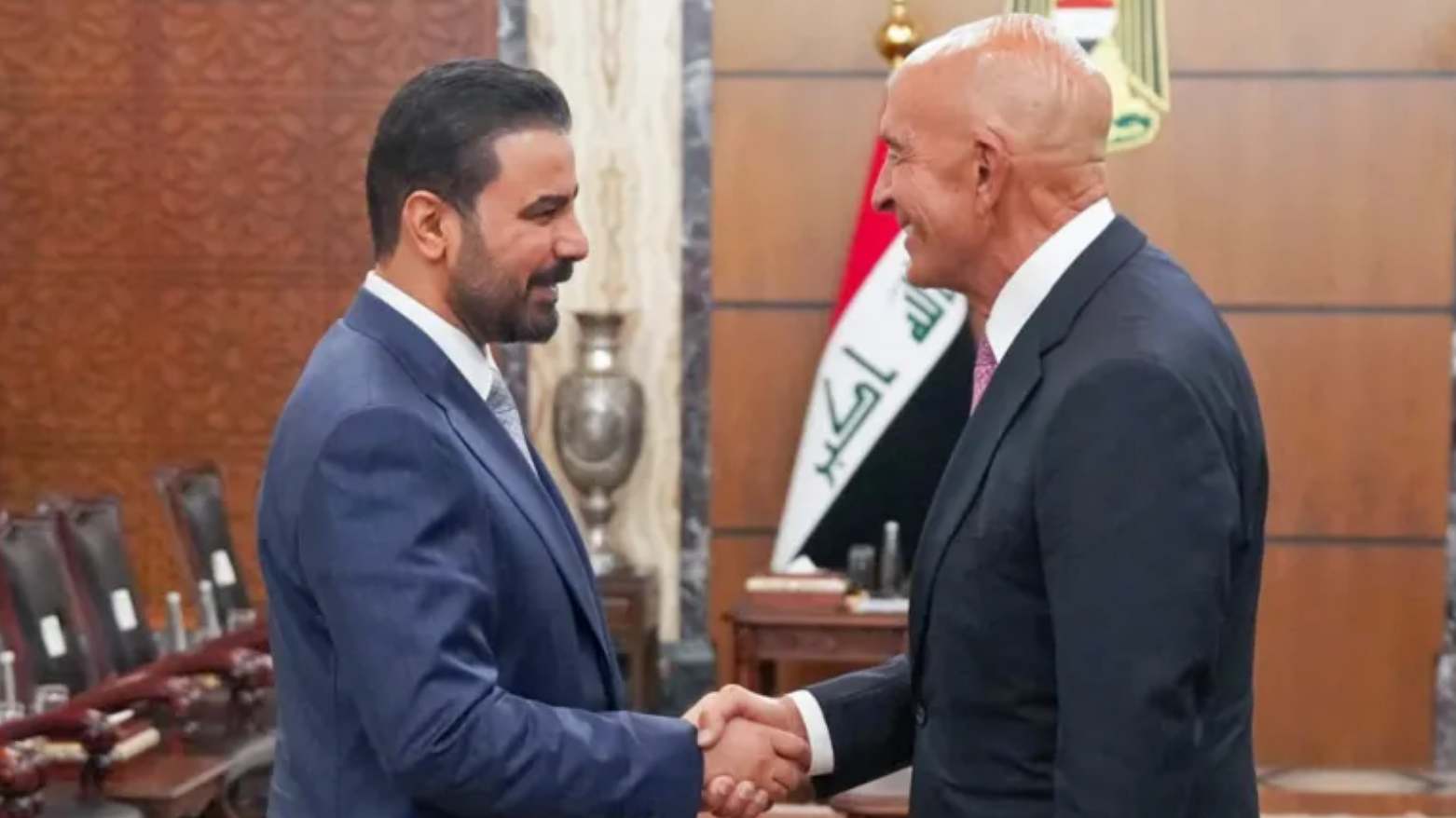
ERBIL (Kurdistan24) - US Special Envoy for Syria and Iraq Tom Barrack has described the disarmament of armed factions in Iraq as a crucial issue for the country and its people, while praising Prime Minister Ali al-Zaidi’s efforts to bring weapons under official state control.
Barrack made the remarks on Tuesday, in comments to Al Arabiya, where he addressed the ongoing process of bringing uncontrolled weapons in Iraq under state authority.
Barrack expressed hope that the process of disarming armed factions in Iraq would succeed, stressing the importance of the issue for Iraq and Iraqis.
He also voiced Washington’s support for the steps being taken by Prime Minister Ali al-Zaidi, praising his efforts to address the issue of weapons held by armed groups.
In his remarks, Barrack said: “We hope that the disarmament of the factions in Iraq will succeed.”
He also described the disarmament of armed factions as “an important issue for Iraq and Iraqis.”
Praising the Iraqi prime minister’s efforts, Barrack said: “The prime minister of Iraq is doing a great job disarming the factions.”
Barrack had previously told Al-Monitor that the weapons of all armed groups in Iraq would be brought under control by 2027, with the state becoming the country’s sole armed authority.
He indicated that Washington and Baghdad were approaching one of Iraq’s most sensitive issues, placing the question of multiple armed forces under a decisive timeline.
Following a meeting between US Secretary of State Marco Rubio and Iraqi Prime Minister Ali al-Zaidi, Barrack said both sides had reached the view that, by the end of June next year, the state should be the only authority responsible for armed forces and that all weapons should come under official control.
The joint step between Washington and Baghdad opens what Barrack described as a decisive phase toward ending the influence of unofficial armed forces across the country, with security and military decisions no longer being made outside legitimate institutions and the authority over weapons consolidated under the law.