Iran’s Foreign Ministry Accuses Rubio Of Threatening To Starve Iranians
The spokesman reacts to Rubio’s comment that economic pressure means Iran “has to eat eventually”; Rubio linked it to paying fighters and security forces
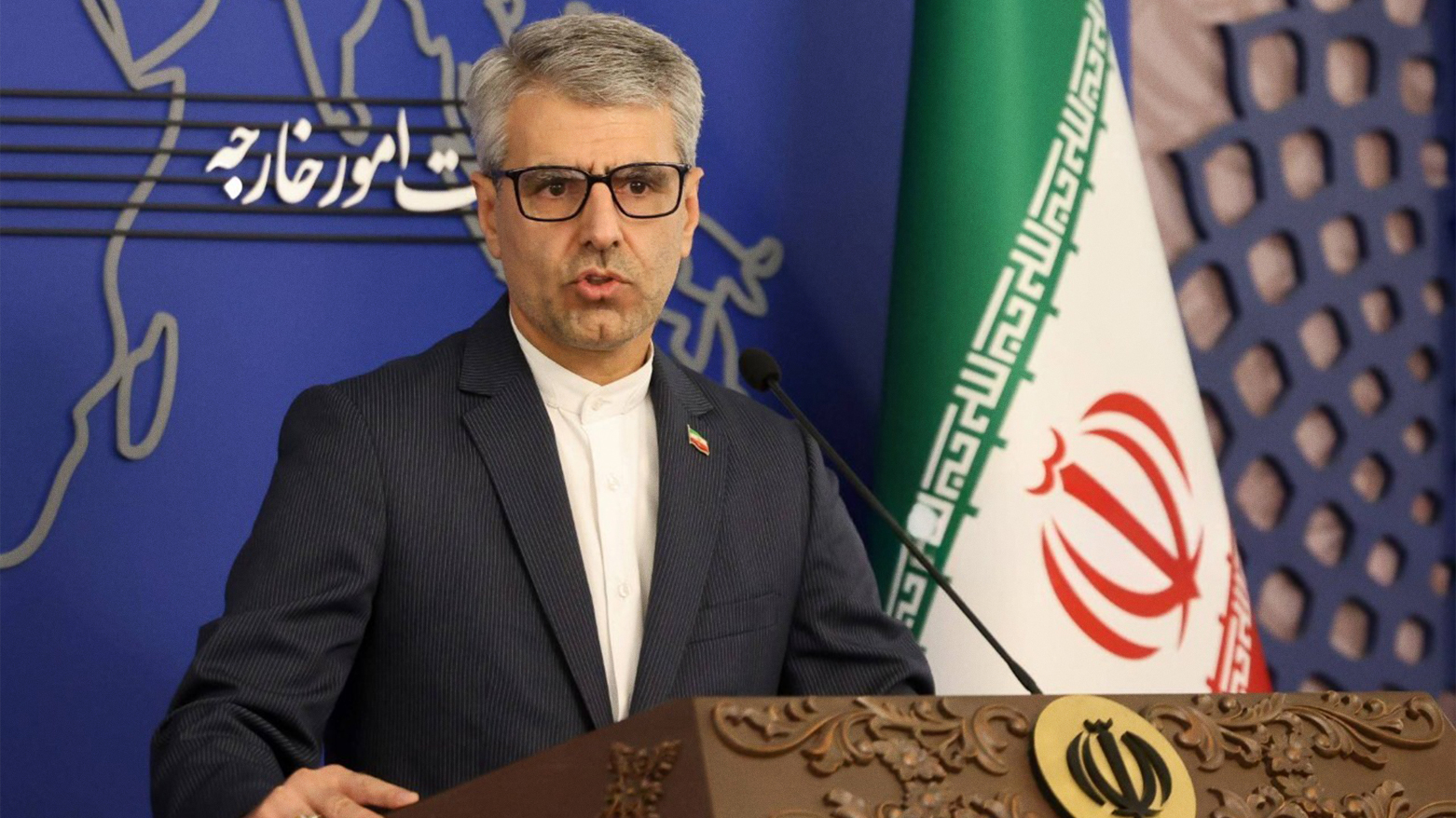
ERBIL (Kurdistan 24) - Iranian Foreign Ministry spokesman Esmaeil Baghaei accused US Secretary of State Marco Rubio on Saturday of “openly and insolently threatening to starve Iranians through a blockade,” and said this was an admission that Washington is pursuing policies amounting to war crimes.
Baghaei wrote on X that Rubio had declared “they have to eat eventually,” and said the remark was “yet another admission” that the United States is pursuing war crimes, compounding what he called its wars of aggression and “economic terrorism” against Iran.
Baghaei said that after decades of failed coercion, threats, sanctions, terrorism and aggression, the United States keeps repeating the same mistakes under new names. He called it a textbook example of what historian Barbara Tuchman described as a “March of Folly,” a government that persists in a disastrous course, refuses to learn from its failures and becomes more entrenched with each defeat.
Rubio made the remark to reporters on Tuesday after a meeting of G7 foreign ministers in Paris, where he said the US economic campaign was so damaging that there was no need for major combat operations.
“Eventually you have to eat; eventually you have to be able to pay your own fighters and your own security forces,” he said, according to the State Department transcript, adding that economic realities would eventually reach even the most radical figures.
He said the pressure “is going to get even worse” and that once the last oil cargoes that passed the blockade are sold, almost all of Iran’s oil revenue will dry up. Iran’s foreign minister, Abbas Araghchi, answered the same remark on Wednesday, comparing it to a statement by a former US secretary of state eight years ago.
The US has not responded to Baghaei’s post, and officials describe the blockade and sanctions as pressure on Iran’s government and not on its civilians.