KRG Agriculture Minister Says Sector’s Share of Job Creation Rises to 18%
Begard Talabani says agricultural investment has also increased significantly under the Ninth Cabinet, with the region now home to 2,000 poultry projects and 56 egg-producing factories
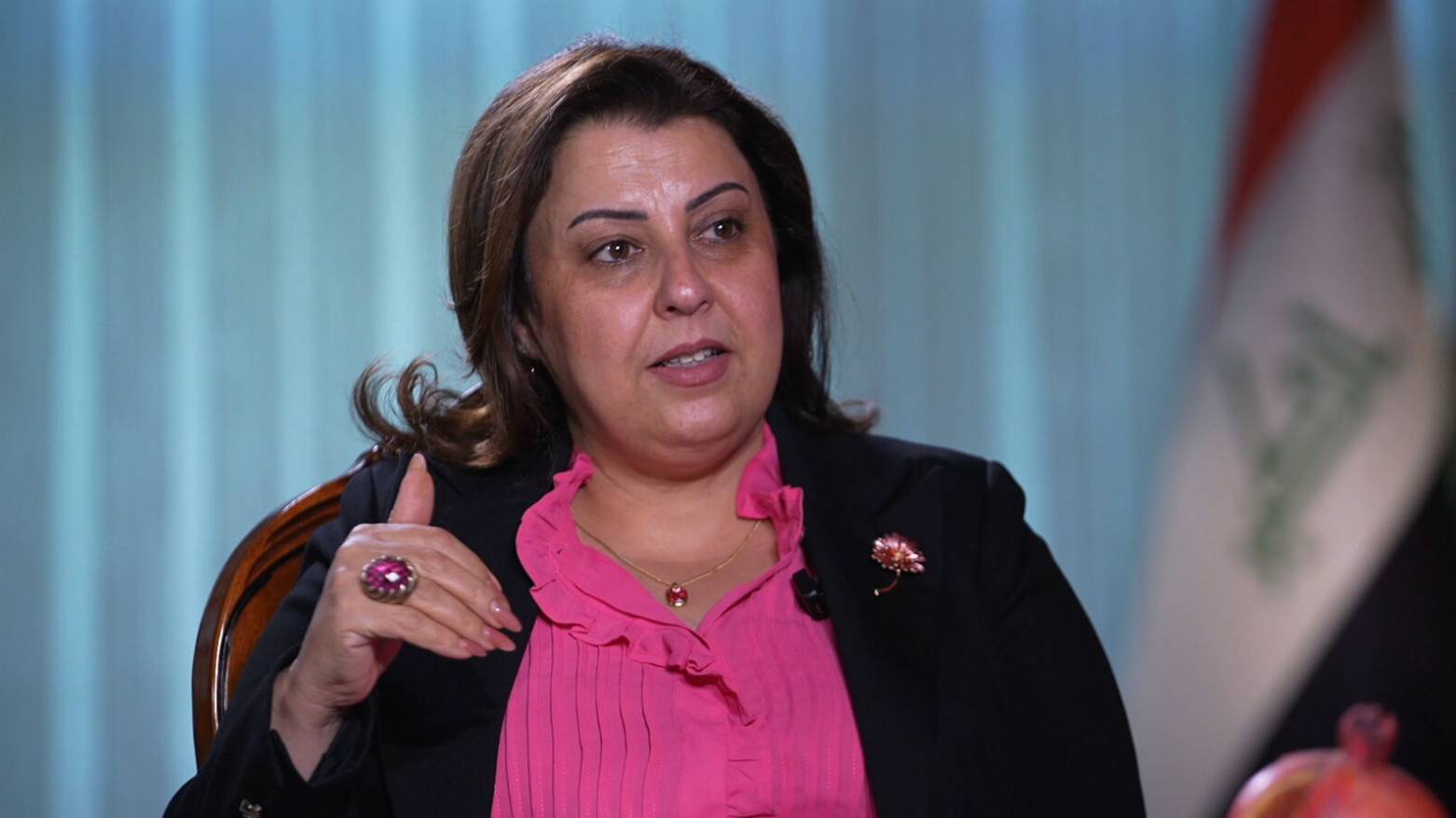
ERBIL (Kurdistan24) — Kurdistan Region Minister of Agriculture and Water Resources Begard Talabani said Sunday that agriculture’s contribution to job creation has risen from 12 percent in previous administrations to 18 percent under the Ninth Cabinet, describing the figures as evidence that the sector has become increasingly active.
Speaking on Kurdistan24’s "Basi Rozh" show, Talabani said available data showed that the Kurdistan Regional Government's (KRG) Ninth Cabinet had succeeded in turning agriculture into a more dynamic sector, with its contribution to employment increasing significantly during the current government’s tenure.
She also said agricultural investment had risen from 1.5 percent under previous cabinets to 10 percent under the Ninth Cabinet.
Talabani said the Kurdistan Region currently has around 2,000 poultry projects and 56 egg-producing factories, adding that the sector has the capacity to meet not only local demand but also part of the needs of markets across Iraq.
Developing agriculture has been a stated priority of the Ninth Cabinet as part of its broader policy to diversify the Kurdistan Region’s economy and reduce reliance on oil.
The government’s program calls for attracting investment to agriculture, expanding production, supporting farmers and improving the marketing of local products, while also developing water resources and irrigation infrastructure to increase cultivated areas.
The KRG has also reported increased investment in agriculture, alongside projects aimed at strengthening food security and agricultural infrastructure.
Official figures show the sector’s share of total investment rising from 1.8 percent to 10 percent during the Ninth Cabinet, while government initiatives have included the construction of greenhouses and cold-storage facilities and the expansion of grain-storage capacity.
More recently, the KRG has continued to prioritize agricultural and water projects, including irrigation development, dam construction and initiatives to expand agricultural production and rural economic opportunities.