Iran threatens to hit regional infrastructure if its security not guaranteed
Iran's parliament speaker issues sweeping threat to regional energy infrastructure as Araghchi departs New York after intensive diplomatic consultations, and Iran rejects UAE claims to three Gulf islands as tensions widen across multiple fronts
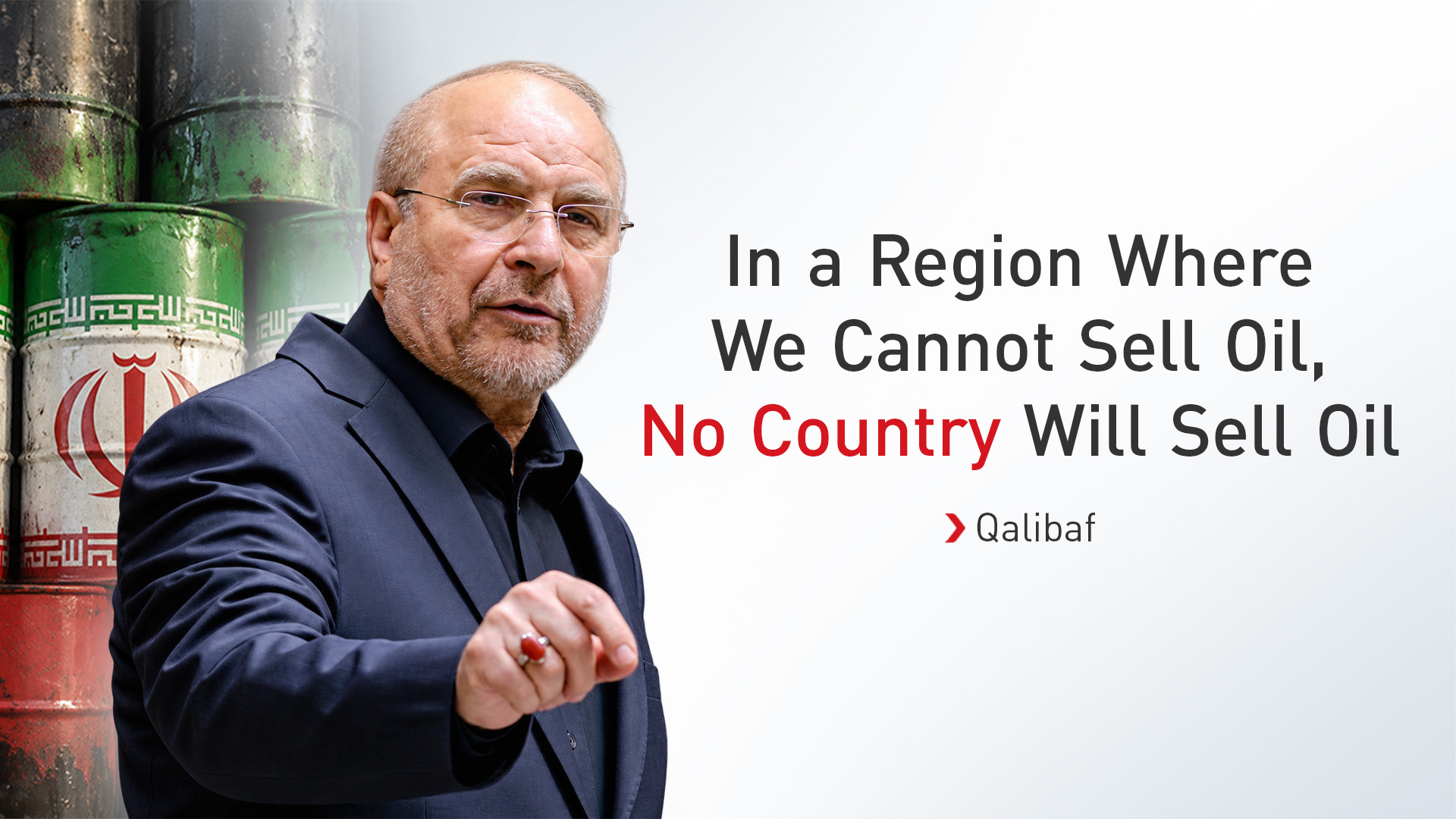
ERBIL (Kurdistan 24) - Iran's parliament speaker Mohammad Bagher Qalibaf threatened on Tuesday to strike regional infrastructure if Iran's security is not guaranteed, warning simultaneously that no country in the region will be able to sell oil if Iran cannot, in the most sweeping Iranian threat to Gulf energy infrastructure since the conflict began seven months ago.
Let both Americans and other countries know: as we said before, in a region where we cannot sell oil, no one will sell oil, and if our security is not guaranteed, no infrastructure will be safe,
Qalibaf said.
The statement escalates Iran's previous threats in two critical dimensions. The oil threat extends beyond the Strait of Hormuz closure to encompass all regional oil export infrastructure, including Saudi Arabia's East-West pipeline, the UAE's Fujairah export terminal, Qatar's LNG facilities, and Kuwait's oil fields, any of which could theoretically be targeted under the logic that regional energy security is inseparable from Iranian energy security. The infrastructure threat is equally sweeping, covering pipelines, refineries, desalination plants, power grids, and port facilities across the Gulf that underpin not just energy exports but the daily functioning of Gulf state economies.
Qalibaf dismissed Trump's recent statements about Hormuz transits as a repetition of previous claims whose falsity is known to everyone, describing Trump as delusional. "A nation with such a brilliant and deep-rooted history should never be intimidated by siege and threats," he said. "If the American enemy's calculation system does not understand this fundamental truth, it will remain trapped in the cycle of receiving heavy slaps from the Iranian nation."
Addressing Trump's UN General Assembly speech, Qalibaf said the American president's frivolous positions and audacity toward the Iranian nation showed Washington has not yet changed its behavior. "In the face of such audacity, our answer is the same clear statement as before: keep spinning and we will keep spinning," he said, adding that the Islamic Republic's response to any transgression will be hard, regret-inducing, precise, and swift.
Araghchi Departs New York After Intensive Diplomacy
Iranian Foreign Minister Abbas Araghchi left New York in the early hours of Tuesday morning Eastern time, heading to Tehran after completing his intensive diplomatic consultations at the United Nations General Assembly. Araghchi had met with mediators on Monday to discuss the latest Iranian proposal and exchange messages with the American side through intermediaries without direct American participation. His departure marks the end of the UNGA week's most consequential Iranian diplomatic engagement since the war began, with a Qatari proposal on the table and no confirmed deal reached.
Qalibaf's sweeping infrastructure threat issued on the same morning as Araghchi's departure from New York places the current diplomatic moment in the starkest possible context. Iran's foreign minister spent a week in New York conducting intensive mediated diplomacy. Iran's parliament speaker simultaneously threatened to make all regional infrastructure unsafe if Tehran's security demands are not met. The two tracks, diplomatic and military threat, are being operated in parallel as they have been throughout the conflict.
Iran Rejects UAE Claims to Three Gulf Islands
Iranian Deputy Foreign Minister Kazem Gharibabadi separately rejected UAE claims to Abu Musa, Greater Tunb, and Lesser Tunb on Tuesday, saying the three islands are an inseparable part of Iranian territory and that Emirati officials should respect good neighborliness and the historical and legal facts. The territorial assertion comes as the UAE and Iran maintain a complex relationship throughout the conflict, with Abu Dhabi having halted all economic ties with Tehran in August 2026, Crown Prince Khaled bin Mohamed Al Nahyan having met Iranian President Pezeshkian at the BRICS summit on September 13, and the UAE's broader role in the Gulf diplomatic environment remaining sensitive and contested.
The three developments together, Qalibaf's infrastructure threat, Araghchi's inconclusive UNGA departure, and Iran's island territorial assertion against the UAE, present a Tehran that is simultaneously pursuing a negotiated exit from its economic crisis through mediation, threatening catastrophic regional consequences if negotiations fail, and asserting its territorial claims and regional standing on multiple fronts at the same time.