Iraq Investigates Deaths of Two Kurdish Youths Near Pirde
Iraqi authorities are investigating the deaths of two young Kurds during clashes near Pirde, as Mohammed Hemin's family disputes his designation as an ISIS militant.
ERBIL (Kurdistan24) - Iraqi authorities have opened an investigation into the deaths of two young Kurds during clashes between the Counter-Terrorism Service and ISIS militants near Pirde, with officials saying the findings will be made public once the inquiry is complete.
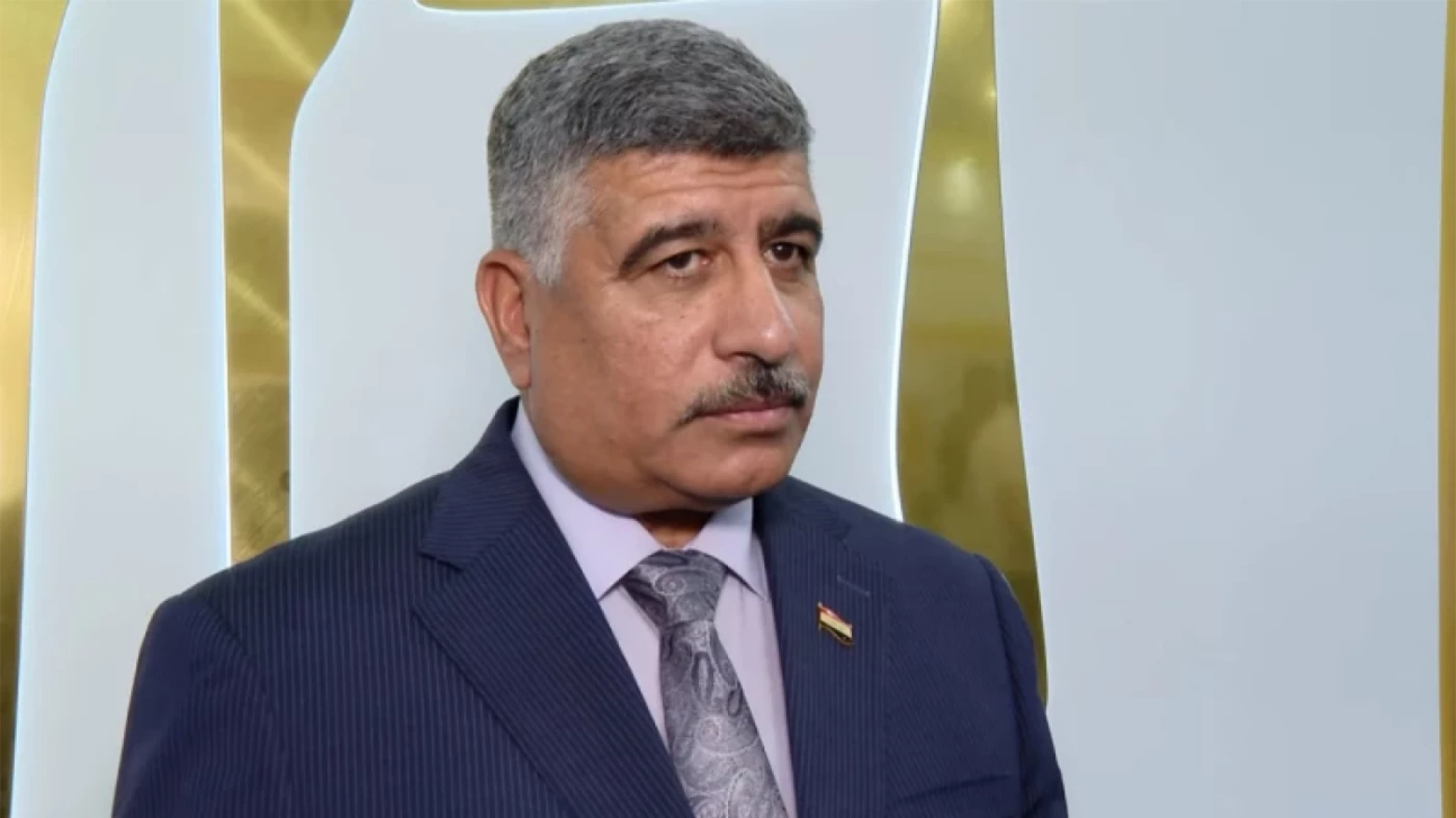
Sabah al-Numan, spokesperson for the Commander-in-Chief of the Iraqi Armed Forces, told Kurdistan24 on Tuesday, Sept. 29, that the investigation remains underway and that authorities are continuing to follow up on the circumstances surrounding the deaths.
"Once the investigations are completed, we will announce the results to the public," al-Numan said in an exclusive statement to Kurdistan24.
His comments follow growing questions surrounding the death of Mohammed Hemin, a teenager who disappeared during fighting near Pirde on Sunday and whose body was found two days later at the forensic medicine unit of Azadi Hospital in Kirkuk.
Kurdistan24 correspondent Soran Kamaran, reporting from Kirkuk, said Mohammed's family located his body on Tuesday morning after searching for him since the confrontation.
The family says Iraqi security forces had denied since Monday that Mohammed was in their custody. When relatives eventually found him at the hospital, they learned that his body had been transferred there by security forces.
His relatives are refusing to receive the body because, according to their account, it was delivered to the hospital under the designation of an ISIS militant.
The family strongly disputes that classification.
Read More: Missing Teenager's Body Found After Pirde Clash
They say Mohammed was a minor who had no connection to ISIS and allege that Iraqi security forces killed him by mistake during the operation before identifying him as a member of the militant organization.
Those allegations have not yet been established by the investigation, and al-Numan's statement indicates that Iraqi authorities are still examining what happened.
The family has demanded that Mohammed's name be cleared and rejects any suggestion that he was involved with ISIS.
The incident dates to Sunday, Sept. 27, when Iraq's Counter-Terrorism Service engaged ISIS militants in an area between Kirkuk and Pirde.
According to information reported by Kurdistan24, two ISIS militants and one teenager were killed during the confrontation, while two other militants were arrested.
Mohammed went missing during the same fighting.
His disappearance prompted his family to seek information about his whereabouts before his body was eventually located at Azadi Hospital on Tuesday.
The discovery raised further questions because of the ISIS designation attached to the body and the family's insistence that Mohammed was an uninvolved civilian.
The Iraqi investigation is expected to examine the circumstances surrounding the deaths of both young Kurds during the operation.
Al-Numan did not provide details about the composition of the investigative process, when it is expected to conclude, or whether specific security personnel are being questioned.
He said only that the inquiry remained in the follow-up stage and that its conclusions would be announced publicly after the process is completed.
For Mohammed's family, the investigation now carries particular importance because of both the circumstances of his death and the classification under which his body was transferred to the hospital.
Their account places responsibility for his death on Iraqi security forces, while the formal investigation has yet to determine what happened during the clashes.
Until those findings are released, the precise circumstances surrounding the deaths of the two young Kurds, and Mohammed's disputed designation as an ISIS militant, remain unresolved.