Iran Receives US Response To Seven-Day Hormuz Proposal, Gap Is Over Sequencing Not Substance
Reuters reports the document under negotiation describes a seven-day confidence-building framework and a return to an enhanced version of the June MOU, with the sequencing dispute, who moves first, as the only remaining gap between the two sides
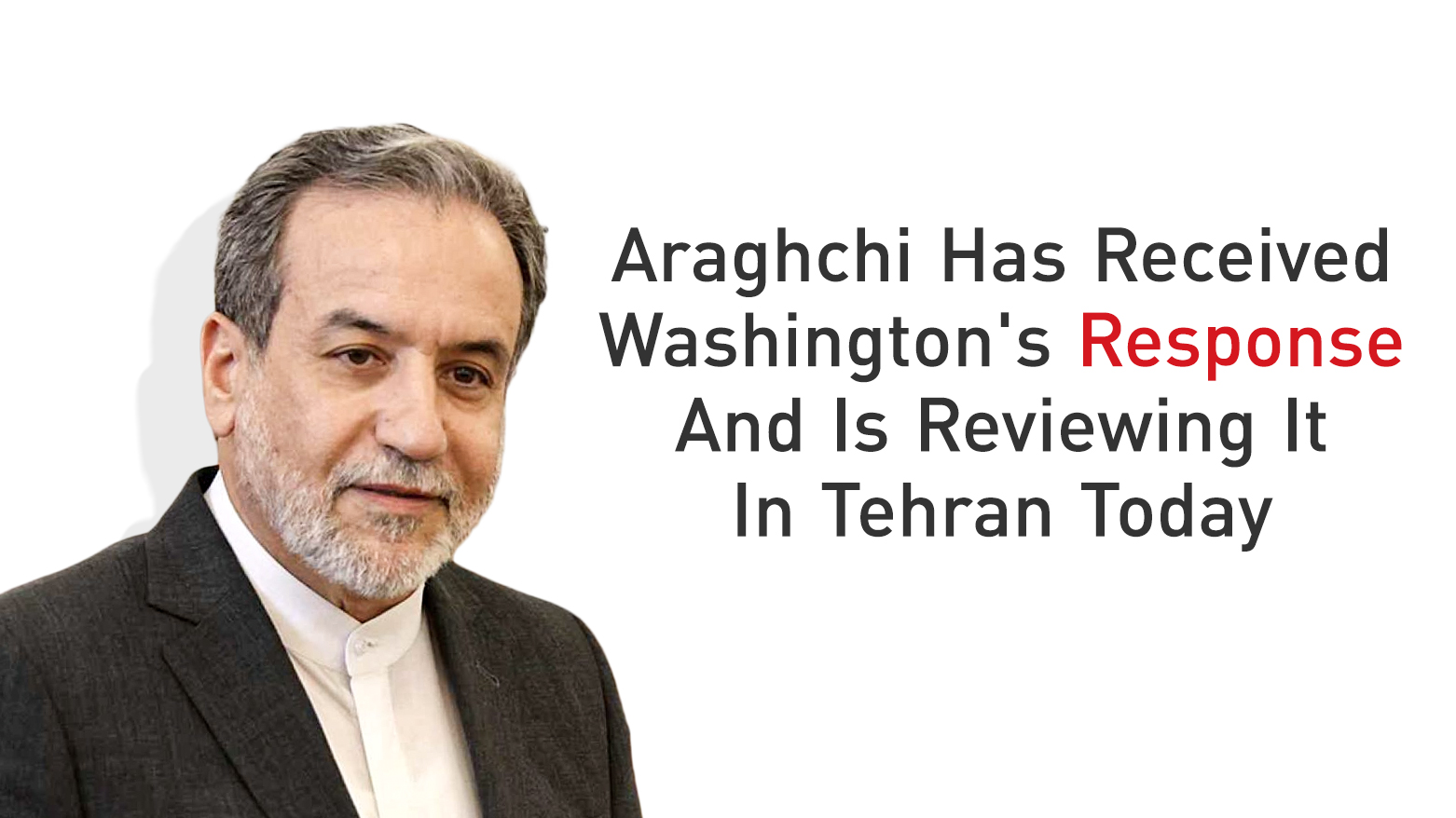
ERBIL (Kurdistan 24) - Iranian Foreign Minister Abbas Araghchi has received Washington's response to Iran's seven-day Hormuz reopening proposal through the mediators and is reviewing it in Tehran on Wednesday Reuters reported citing a senior official, in a disclosure that reveals the gap between the two sides is no longer about the elements of the proposal but about the sequence in which those elements are implemented.
"Araghchi received Washington's response to the seven-day proposal from the mediators and is reviewing it today in Tehran," the official told Reuters. The document currently under negotiation between the two sides describes a seven-day framework for confidence-building and a return to an enhanced version of the June memorandum of understanding. The main difference between the United States and Iran is over the order of steps, not the elements of the seven-day plan itself.
The disclosure is the most significant diplomatic development of the conflict's entire seven-month duration. If accurate, it means both Washington and Tehran have accepted the same seven-day framework in principle and are haggling only over which side moves first, a sequencing dispute rather than a fundamental disagreement over the substance of a deal. That is a qualitatively different negotiating position from where the two sides were even a week ago, when Trump was publicly rejecting the Iranian offer as unacceptable and Araghchi was saying Iran will not back down from its conditions.
The sequencing dispute as described by Reuters aligns precisely with what a US official told Al Jazeera and Axios journalist Barak Ravid on Monday, September 28, that Iran says it is flexible on the nuclear issue but there is a gap about who takes the first step, and that Washington needs guarantees Iran is serious rather than merely seeking relief from its difficult economic situation. The reference to an enhanced version of the June MOU as the destination of the seven-day framework suggests both sides are building on the structure of the agreement that collapsed in July rather than starting from scratch, with enhanced verification or enforcement mechanisms designed to prevent the same collapse from recurring.
Araghchi departed New York in the early hours of Tuesday morning after intensive diplomatic consultations at the UNGA and is now reviewing Washington's formal response in Tehran. Trump denied on Tuesday on Truth Social that he had offered anything to Iran, calling the Axios report fake news, but the Reuters disclosure of an active document under negotiation that both sides are engaging with through mediators suggests the negotiation is advancing through back channels regardless of the public postures both leaders are maintaining.
The Kremlin separately expressed concern on Tuesday that it has no desire to see Iran leave the NPT, and Qalibaf threatened on Tuesday that no regional country sells oil if Iran cannot. Both of those developments add pressure on Tehran to reach a settlement before the economic and diplomatic situation deteriorates further, while also signaling that Iran retains escalatory options it can deploy if the sequencing dispute is not resolved in its favor.